

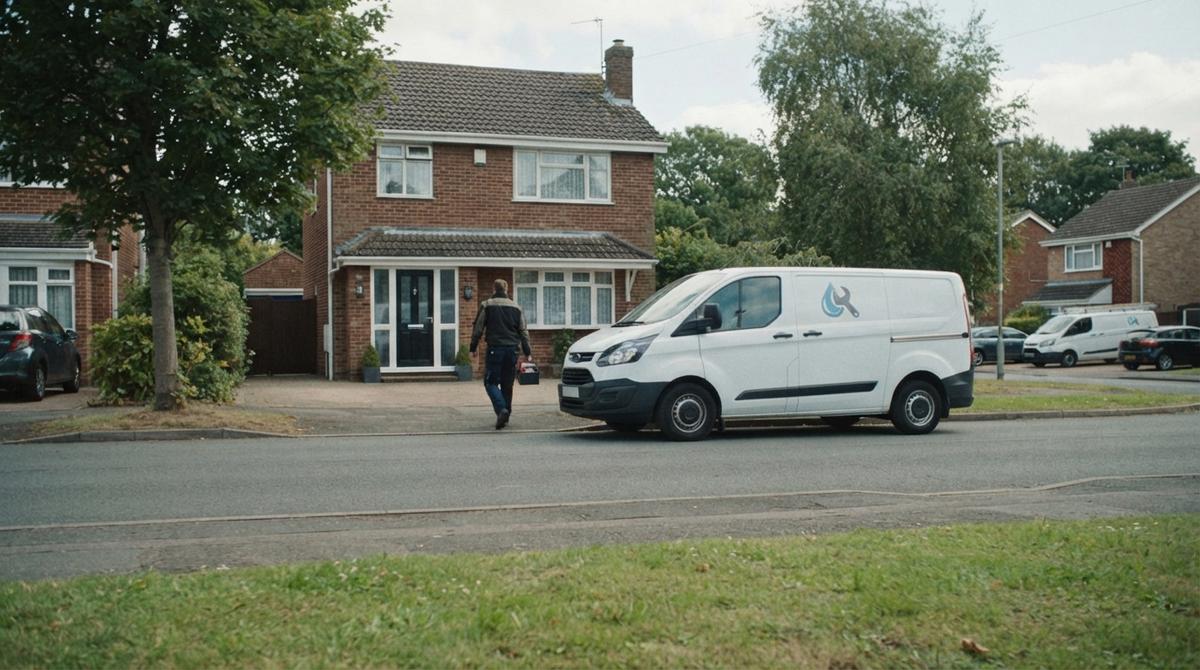
Pay Per Call Plumbing Leads
Pay per call plumbing leads are live phone calls from homeowners sent to your plumbing company. You pay for each qualified phone call from a customer, not for an ad click or a web form.
Book a callWhat Are Pay Per Call Plumbing Leads?
A pay per call lead is a billed phone call from a homeowner seeking a plumber in April 2026. Vendors also write the phrase as pay-per-call plumbing leads or pay-per call plumbing leads. Both spellings describe the exact same service for plumbing company owners. You buy a live voice conversation with a local customer instead of buying website clicks. Plumbing company owners use pay per call leads to put live homeowners on the phone quickly.
See your new homepage before you pay anything
Your plumbing homepage, rebuilt free. You see it before you pay anything.
Past SEO campaigns grew organic traffic 26x in 14 months.
Book a call
How Pay Per Call Plumbing Leads Work
Pay per call systems are automated phone networks that route homeowner calls to local plumbers in 3 steps.
Step-by-Step Call Routing
A tracking phone number is a unique line that records call length and sends callers to your shop. Every step runs automatically once you fund an account.
- Homeowner search: A customer searches for a plumber online and taps a tracking phone number on an ad or directory page.
- Call routing: The vendor network routes that live ring straight to the plumbing company that bought that service and ZIP code.
- Call billing: Software times and records the talk, and the vendor bills your card if the call meets contract rules.
Every step finishes in seconds, so your office phone rings just like a normal customer call.
Where Do Pay Per Call Plumbing Leads Come From?
Pay per call plumbing leads come from paid search ads, Local Services Ads, call-only ads, and lead network pages. Some vendors operate local websites that rent incoming calls to multiple plumbing companies.
- Search and call-only ads: Vendors bid on urgent terms like burst pipe repair so homeowners tap a phone button right from Google.
- Lead network directories: Third-party websites rank for local plumbing searches and forward callers to paying contractors on their roster.
- Local Services Ads: Google displays verified contractor listings at the top of search results to generate direct customer rings.
Ask every vendor which traffic source sends each call, as emergency searchers convert better than casual price shoppers.
What Counts as a Billable Call
A billable call is any incoming ring that passes the vendor's minimum duration and service rules. Most vendors start billing after a conversation lasts 30 seconds or 60 seconds.
- Short and missed calls: Confirm if calls under 30 seconds, dropped lines, and unanswered rings count against your monthly budget.
- Wrong numbers and spam: Check if robodialers, telemarketers, and callers asking for HVAC or electrical repairs trigger automatic charges.
- Repeat and out-of-area callers: Verify that repeat rings from one phone number or calls outside your ZIP codes receive automatic credits.
- After-hours rings: Ask if calls arriving when your shop is closed still count as billable leads on your invoice.
Get every billing rule in writing before you deposit money with any lead vendor.
Pay Per Call Pricing and Cost Per Booked Job
Pay per call pricing is a per-ring fee structure shaped by job urgency, local competition, and live bidding.
How Pay Per Call Is Priced
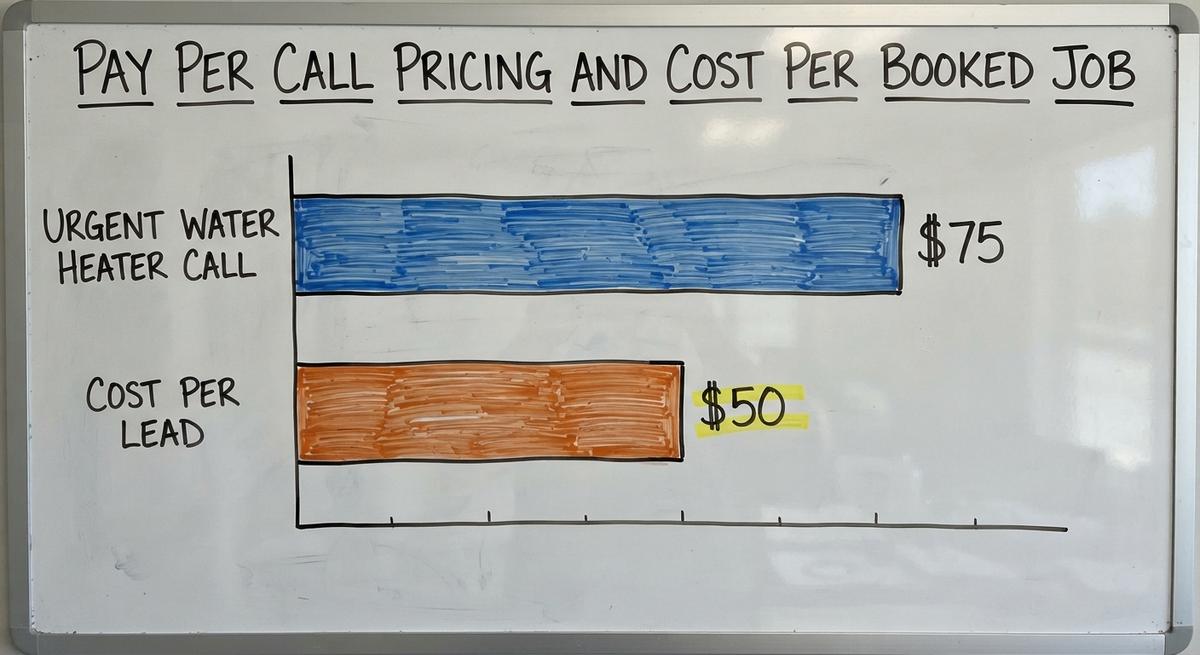
Vendors set cost per call rates using 4 common pricing models across local markets. Emergency work like drain backups and water heater failures costs more per ring than routine faucet repairs. For example, an urgent water heater call might list at $75 while a basic drain check lists at $35, though you must request each vendor's written rate sheet.
- Flat rate per call: You pay one set price for every qualified ring regardless of the plumbing job size.
- Price by service type: Urgent repairs carry higher per-call fees than small maintenance requests or minor fixture swaps.
- Live auction bidding: Multiple plumbers bid for the top routing spot, pushing call prices up in crowded metro areas.
- Price by ZIP code: Dense suburbs cost more per ring than rural towns with fewer competing plumbing shops.
Request a written price list by service type, as a cheap call rarely produces a profitable job.
Why Cost Per Call Is Not Cost Per Job
Cost per booked job is your total call spend divided by the actual plumbing jobs you book. For example, suppose you buy 20 calls at $50 each for a total spend of $1,000. If 5 callers book a plumber, your real cost per booked job is $200, not $50. Many paid rings never turn into revenue.
- Price shoppers: Homeowners calling 5 shops just to compare dispatch fees rarely book the first plumber they reach.
- Wrong service requests: Callers asking for septic pumping or commercial work you decline still burn your ad budget.
- Out-of-area callers: People calling from 40 miles away waste office time unless your vendor blocks outside ZIP codes.
Measure every campaign by cost per booked job rather than cheering for a low cost per call.
Find out where you show up on the map
A free map check for your plumbing company. See which towns find you and which call a competitor.
Book a callPay Per Call vs Pay Per Lead and Pay Per Click
Pay per call plumbing leads are live voice conversations, unlike web form leads or simple ad clicks.
Pay Per Call vs Pay Per Lead
Pay per lead is a model where you pay for a web form or text message instead of a live call. Live plumbing phone calls show higher urgency, yet you still pay when the caller hangs up without booking. Form leads sit in an inbox as vendors sell the same homeowner contact to 3 or 4 competing plumbers.
| Comparison Factor | Pay Per Call | Pay Per Lead |
|---|---|---|
| What you pay for | Live inbound phone call | Web form or text |
| Response speed | Instant live ring | Minutes to hours |
| Who else gets it | Exclusive or shared | Sold to several plumbers |
| What can go wrong | Paying for price shoppers | Slow follow-up loses job |
Live plumbing phone calls convert faster than web forms when your office answers on the first ring.
Pay Per Call vs Pay Per Click
Pay per click is an ad model where you pay every time someone taps your ad, even without a call. Pay per call charges you only after a homeowner dials your line and crosses the time limit. Running your own pay per click ads gives you full control over ad wording, landing pages, and brand message. Pay per call simplifies monthly budgeting, yet you lose control over what the vendor's ad promises.
- Ad control: Pay per click lets you write exact offers, whereas pay per call hides the ad copy.
- Budget predictability: Pay per call locks your cost per ring, whereas ad click prices swing daily.
- Conversion risk: Pay per click charges for website visitors who bounce without dialing your office.
Choose pay per call for quick ring volume, and use pay per click when you want full message control.
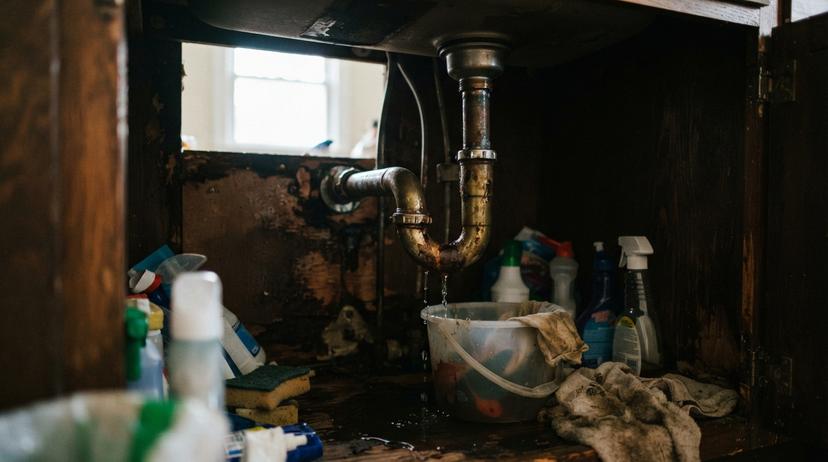
Are Shared Plumbing Leads Worth It Compared to Exclusive Calls?
Exclusive plumbing leads are calls routed only to your shop, whereas shared plumbing leads go to several plumbers. Shared plumbing leads force your office into a speed race against rival contractors. The homeowner is sometimes already booking with another shop when your phone starts ringing.
- Exclusive call pricing: Exclusive calls cost more per ring because no other plumbing company receives that same phone number.
- Shared call discounts: Shared calls sell for less per ring, yet your close rate drops when 3 shops compete.
- Vendor disclosure: Ask every vendor in plain words who else gets the call before you sign any deal.
Exclusive plumbing leads protect your close rate and prevent awkward bidding wars on the phone.
Benefits and Risks of Pay Per Call Plumbing Leads
Pay per call plumbing leads are a fast way to buy phone volume, with clear trade-offs in ownership.
Benefits of Pay Per Call for Plumbers
Pay per call leads give plumbing owners 3 practical advantages during slow weeks or seasonal dips.
- Real voice conversations: You pay for a live talk with a homeowner rather than a website click that bounces.
- Fast schedule filler: Paid calls help keep 2 or 3 trucks busy while you build long-term marketing channels.
- Flexible pause options: Month-to-month plans let you pause spend when your dispatch board fills up for the week.
Treat paid calls as a short-term valve you can open whenever your trucks need extra work.
Risks and Fake Calls to Watch For
Rented leads carry 4 core risks, starting with the fact that calls stop when you stop paying. You rarely own the tracking phone number, the directory listing, or the caller data in a vendor deal. Call quality swings week to week, and auction prices climb as more local plumbers join the network. Fake or bot calls also slip past loose vendor filters.
- Instant hang-ups: Calls lasting under 15 seconds or dead air point to bots, misdials, or accidental taps.
- Wrong trade requests: Callers asking for roof repairs, lawn care, or appliance parts mean poor ad targeting.
- Out-of-area numbers: Calls from outside your service counties waste office time if ZIP filters fail to block them.
Listen to call recordings every week during your first 30 days and dispute every bad charge.
Results you can check
Past SEO campaigns grew organic traffic 26x in 14 months, and 15x on another. Top Rated Plus on Upwork with 99% job success.
Work for hundreds of small businesses and large clients like New Balance and Planned Parenthood.
Book a callQuestions to Ask a Pay Per Call Plumbing Leads Vendor
Smart buyers ask 5 direct questions before signing any pay per call plumbing leads contract.
- Call exclusivity: Who else receives this exact phone call, and which websites or ads generated the ring?
- Billing rules: What exact second count makes a call billable, and how do I dispute a spam call?
- Call data access: Do I get full audio recordings and the homeowner's real caller ID number for every ring?
- Budget and schedule controls: Can I set a weekly dollar cap, pick specific services, and pause calls after hours?
- Contract exit terms: Can I cancel the account anytime without a long lock-in or early termination penalty?
Walk away from any vendor who refuses to put call sources and exit terms in writing.
Call Tracking and Answering Paid Plumbing Phone Calls
Call tracking is the system you use to log every paid ring, job booking, and final invoice.
How to Set Up Call Tracking You Control
Independent call tracking is a spreadsheet or log you keep separate from the vendor's billing dashboard. Compare your own call count against the vendor invoice at the end of every month.
- Traffic channel source: Separate calls from paid search, Google Maps, organic search, and AI tools so no channel hides.
- Requested plumbing service: Note if the caller needed a drain clearing, leak repair, or full water heater swap.
- Booking outcome and value: Record if the call booked a dispatch and write down the final collected job revenue.
Your own call tracking log proves which channels earn profit and which ones waste your budget.
How Do You Answer Paid Calls So They Book?
Answer every paid call live before it hits voicemail, as an unanswered paid ring is money lost. Train whoever answers your shop phone to follow a simple 4-part booking script.
- Company greeting: State your plumbing company name clearly and ask how you can help them today.
- Problem check: Confirm the exact plumbing issue and ask if water is actively leaking right now.
- Address check: Collect the street address and ZIP code early to confirm they sit inside your service area.
- Dispatch time: Offer the next open arrival window and book the job before hanging up the phone.
Return any missed call the same day and log why the call went unanswered so you fix the gap.
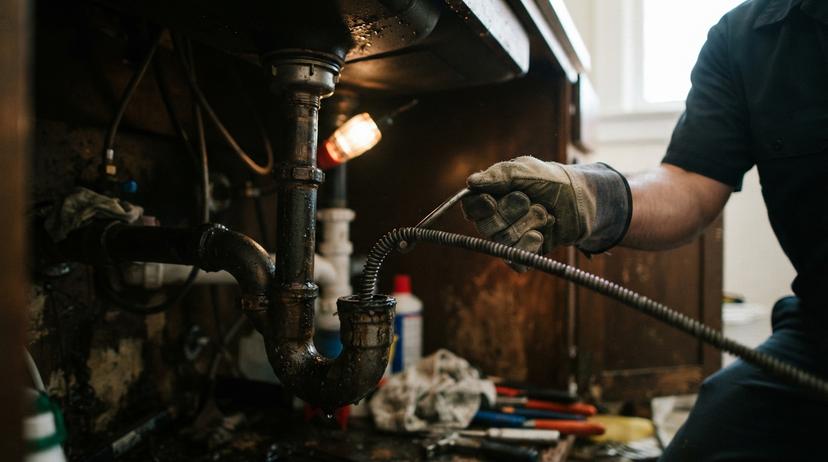
Which Jobs Fit Pay Per Call Plumbing Leads
Urgent repair jobs are the best match for pay per call plumbing leads, as homeowners need help fast. Clogged drains, burst pipes, sewer backups, and broken water heaters push homeowners to dial the first plumber they find. Planned projects like whole-house repipes or bathroom remodels take more research and trust before a homeowner calls. Homeowners shopping for roofing leads face the same split between emergency storm leaks and full roof replacements.
- Best fit services: Target drain cleanings, slab leaks, sump pump failures, and emergency water heater replacements.
- Poor fit services: Avoid buying paid calls for bathroom remodels, full repipes, or slow commercial bids.
- Starting scope: Launch with 1 high-margin urgent service in 1 tight local area before expanding.
Buy paid calls for emergency repairs first, and save big remodel pitches for your own website.
Why Owned Calls From Google Matter More Long Term
Owned calls are inbound rings from your own website and Google Business Profile with zero per-call fees. Pay per call works well as a temporary bridge, yet building your entire company on rented calls is risky.
How Google Decides Which Plumbers Show on the Map
The Map Pack is the box of 3 local business listings that appears at the top of Google search. According to Google Business Profile Help, "Local results are mainly based on relevance, distance, and popularity." Relevance measures how well your profile matches the search, distance checks your location, and popularity reflects customer reviews. Customer reviews shape homeowner clicks too, as BrightLocal's Local Consumer Review Survey reports, "97% of consumers still lean on reviews to guide their purchase decisions." Homeowners also see paid map listings, where Google Local Services Ads Help states, "Pay only for leads related to your business and the services you offer." Strong Map Pack visibility brings free local calls every month without charging you a fee for every ring.
Get a second opinion on your current setup
Already paying for plumbing marketing? Get a free second opinion on what works and what wastes money.
Book a callBuilding Service and Town Pages That Bring Calls
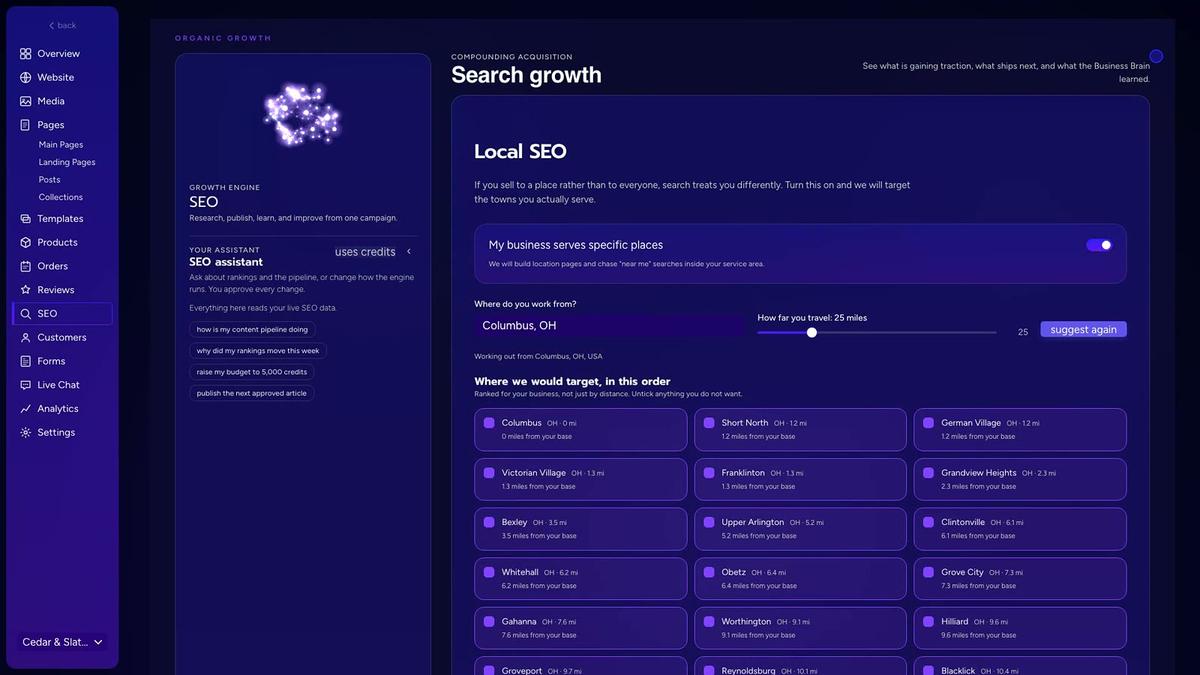
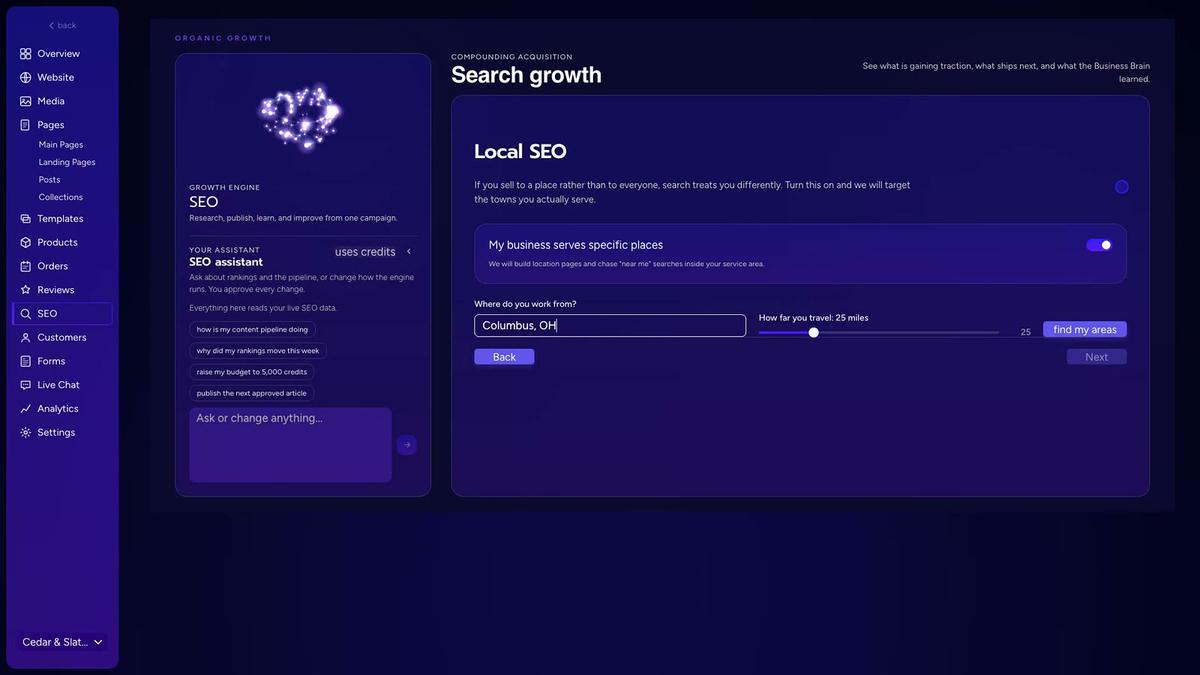
Dedicated service and town pages are website pages built for 1 specific plumbing job in 1 specific city. For example, a roofing and exteriors company in central Ohio built service and town pages for all 17 towns it serves. Plumbers can apply that same local structure, just like contractors learning how to get roofing leads from organic search. Each page needs a clickable phone number, real local details, and plain descriptions rather than copied text. As Google Search Central explains, "People-first content means content that's created primarily for people, and not to manipulate search engine rankings." Copying identical pages across 20 towns breaks rules, as Google's spam policies warn, "Doorway abuse is when sites or pages are created to rank for specific, similar search queries." Quality plumbing seo services focus on real local proof on every town page instead of thin templates.
One honest page per service and town helps homeowners find your shop directly in organic search.
Checking Your Map Pack Position by Area
A grid scan is a map check that measures your Map Pack rank block by block across town. Your plumbing shop ranks number 1 near your office yet drops off the map 2 towns away. Run a grid scan once a month in 2026 to track how your local map coverage changes over time. Use those weak map zones to decide where paid calls can fill short-term gaps in your schedule.
Monthly grid scans show exactly where your map listing wins calls and where paid ads should bridge the gap.
How Do You Know If Pay Per Call Plumbing Leads Are Working?
Pay per call plumbing leads are working when your cost per booked job stays below your profit target. Review your numbers once a month across every marketing channel you run.
- Monthly spend and call count: Add up total vendor charges and divide by the number of real customer conversations.
- Booked jobs and revenue: Compare paid call profits against calls from Google search, Map Pack listings, and your own ads.
- AI tool visits: Track homeowner visits from AI chat tools as their own channel so new traffic stays visible.
- Written stop rule: Pause or cut any vendor whose cost per booked job stays above a $250 target for 60 days.
Let hard monthly booking math, not vendor sales pitches, decide whether you keep buying paid calls.
A Simple Plan for Pay Per Call Plus Owned Calls
A hybrid lead plan is a 4-step system that pairs short-term paid calls with long-term owned search assets.
- Start small: Buy exclusive or shared calls for 1 urgent plumbing service in 1 tight service area.
- Track every ring: Log every paid call, missed ring, and booked job in your own monthly tracking sheet.
- Build owned pages: Strengthen your Google Business Profile and add genuine service and town pages to your website.
- Shift your budget: Move ad dollars gradually toward the channels that deliver the lowest cost per booked job.
Use pay per call to keep trucks rolling today while you build owned Google calls that cost nothing per ring. Audit your last 30 days of plumbing phone calls today, and ask any marketing provider to show you call tracking by source before you spend another dollar.
Frequently asked questions
What are pay per call plumbing leads?
Pay per call plumbing leads are live customer phone calls routed to your shop for a set fee. You pay only when a homeowner calls and crosses the agreed time limit, rather than paying for website clicks or email forms.
How much do pay per call plumbing leads cost?
Call prices depend on service urgency, local competition, and your ZIP code. Emergency repairs like burst pipes cost more than routine fixture swaps. Always ask vendors for a written rate sheet and calculate your cost per booked job.
Are shared plumbing leads worth buying?
Shared calls cost less per ring, yet multiple plumbers receive the same homeowner at once. You race rival shops to answer and quote first. Exclusive calls cost more upfront but usually deliver higher booking rates and better margins.
Can I get a refund for a fake or bad call?
Most reputable vendors issue account credits for wrong numbers, spam bots, and out-of-area callers when you submit a dispute. Review your call recordings weekly and verify the exact dispute rules in writing before funding an account.
What is the difference between pay per call and pay per lead?
Pay per call bills you for a live phone conversation with a homeowner. Pay per lead usually bills you for a web form or text inquiry, which sits in an inbox and often goes to several competing contractors.
How do I track whether paid plumbing calls turn into jobs?
Keep your own call log separate from the vendor report. Write down the caller's service request, whether your office booked the dispatch, and the final invoice total, then divide total monthly spend by booked jobs.
Is pay per call better than building my own Google calls?
Pay per call fills slow weeks fast, yet calls stop the moment you pause payments. Building your own Google Business Profile and local website pages takes longer upfront but brings free inbound calls year after year.
Start with a free homepage rebuild
Book a short call. Your new plumbing homepage is free to see and yours to keep.
Book a callRelated guides
More on the same work.
- Exclusive Plumbing Leads
- Plumbing Leads for Sale
- Get Plumbing Leads
- Plumbing Service Leads
- Commercial Plumbing Leads
- Plumbing Digital Marketing Company
- Best Plumbing Website
- Plumbing SEO Services
- Plumbing Marketing Services
- Plumbing Marketing Strategies
- Plumbing Company Website
- Plumbing Website Design Company
- Plumbing Web Design
- Roofing Leads
- How to Get Roofing Leads