What Are Plumbing Leads for Sale and Why Buy Them?
A plumbing lead is a homeowner repair request. Lead marketplaces and data brokers sell these requests to local shops.
Slow weeks or open truck schedules push many owners to buy leads. Building a site and ranking in search takes time.
Google Business Profile Help notes that map visibility needs strong local signals over time. Paying for fast calls helps some contractors bridge slow months.
Bought leads fill short gaps. Owning your own calls builds lasting growth.
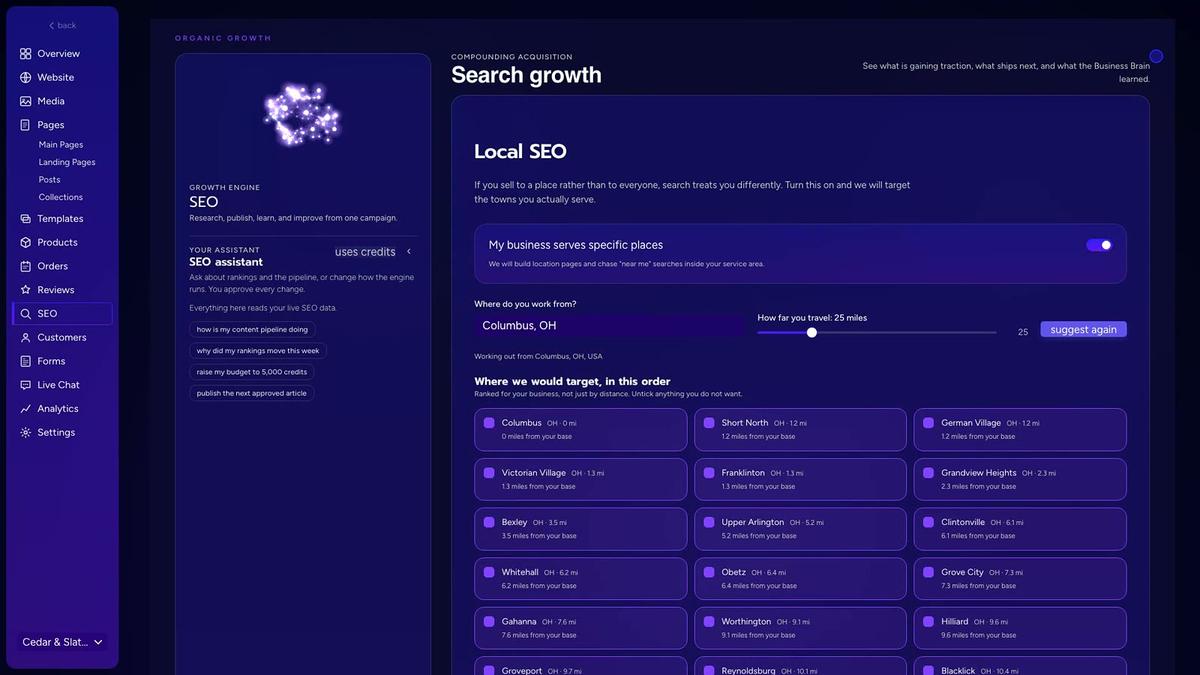
Nearby towns ranked by fit, each with a reason, before any page is written for them.
See your new homepage before you pay anything
Your plumbing homepage, rebuilt free. You see it before you pay anything.
Past SEO campaigns grew organic traffic 26x in 14 months.
Bought plumbing leads carry four hidden working risks. A marketplace owns the demand and rents temporary access to your shop.
Forced price wars: Shared requests push plumbers to cut rates against nearby rivals.
Bad contact data: Fake numbers and distant towns waste office time every week.
Zero brand recall: Homeowners remember the app name instead of your plumbing company.
Rented call flow: Inbound requests stop at once the day your business pauses payments.
Owning a website and map profile protects your crew when lead prices climb.
Questions to Ask Before You Buy Plumbing Leads
Five direct questions protect your budget in 2026. Get clear written answers rather than trusting a phone pitch.
Shared lead cap: Ask how many contractors receive each homeowner request.
Territory and job filters: Confirm your account can block distant ZIP codes and small repairs.
Bad lead credit rules: Verify what fake numbers qualify for an automatic account refund.
Contract exit terms: Check if the agreement locks you in or lets you cancel anytime.
Call and form proof: Ask for full access to call recordings and original web forms.
Sellers who dodge these five questions will cost your plumbing business money.
Warning Signs of a Bad Plumbing Lead Seller
Four red flags expose a bad plumbing lead seller. Pushy scripts and vague promises hide losing contracts.
Guaranteed job counts: Walk away from vendors promising fixed monthly booked jobs.
Hidden traffic sources: Avoid sellers who hide where homeowner calls come from.
Same-day urgency: Decline offers demanding a signed contract on the first call.
Fuzzy exclusivity terms: Skip vendors who refuse to define exclusivity in writing.
Trustworthy sellers share clear rules and calm terms without pressure.
How Homeowners Find a Plumber on Google
No middleman sells their phone number to four shops. BrightLocal's Local Consumer Review Survey reports, "97% of consumers still lean on reviews to guide their purchase decisions."
Homeowners with burst pipes check Google Maps first. Those callers pick a contractor straight from the listing.
That same survey shows 47% of shoppers skip shops with under 20 reviews. It also finds 89% of buyers expect owner replies.
Direct Google callers know your name before dialing and skip bidding wars.
That same survey shows 47% of shoppers skip shops with under 20 reviews; It also finds 89% of buyers expect owner replies.
Results you can check
Past SEO campaigns grew organic traffic 26x in 14 months, and 15x on another. Top Rated Plus on Upwork with 99% job success.
Work for hundreds of small businesses and large clients like New Balance and Planned Parenthood.
Google ranks local plumbers using three core signals. Google Business Profile Help states, "Local results are mainly based on relevance, distance, and popularity."
No marketer can promise a permanent top map spot.
Relevance: Complete service details show Google your shop handles that exact repair.
Distance: Physical proximity measures how close your shop sits to the searcher.
Popularity: High review counts and local mentions prove homeowners trust your crew.
Improving all three signals earns free plumbing leads your company keeps.
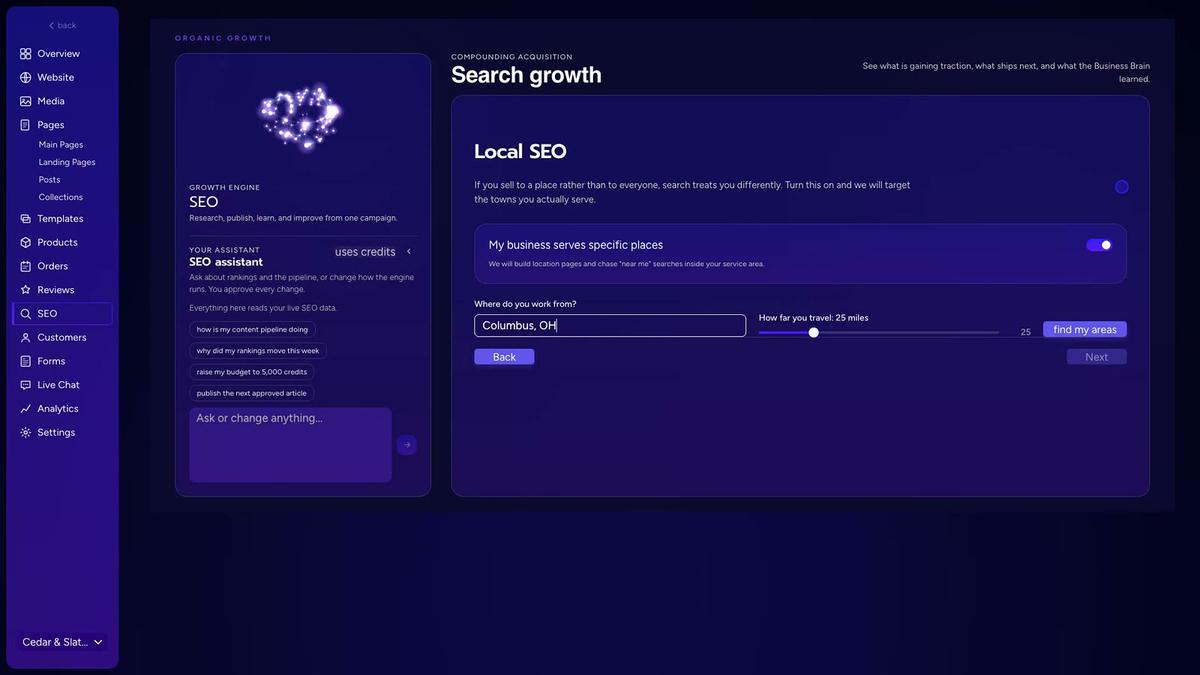
Local SEO begins with where the business works from and how far it travels.
Earning Your Own Plumbing Leads From Google
Earned plumbing lead generation is search plus map visibility. A fast website and active profile bring direct homeowner calls.
Put your phone number and request form at the top of every page.
Complete Google profile: Add accurate hours, primary categories, and real job photos.
Dedicated local pages: Build clear pages for each repair and nearby town.
Consistent review requests: Ask happy customers for an honest review after each job.
Clean mobile speed: Make pages load fast on phones without blocking popups.
Google's review policy states, "Reviews and other user contributions to Google Maps must reflect a genuine experience." Offering discounts or cash for reviews risks losing your listing.
Strong local basics build steady calls with no per-lead fee.
Get a second opinion on your current setup
Already paying for plumbing marketing? Get a free second opinion on what works and what wastes money.
A service page is a guide for one repair. A town page is a page for one city.
Writing helpful details shows searchers you work in their neighborhood. Google Search Central explains, "People-first content means content that's created primarily for people, and not to manipulate search engine rankings."
Copy-pasting identical text across cities violates Google's spam policies. Those rules warn, "Doorway abuse is when sites or pages are created to rank for specific, similar search queries."
A central Ohio roofer used unique local pages across 17 towns to win calls. That approach works for contractors chasing roofing leads or plumbing jobs.
Investing in [plumbing seo services] helps your shop win nearby town searches. Unique local pages turn searches into direct plumbing leads for your trucks.
Buying Plumbing Leads vs. Earning Calls: Side-by-Side
Both lead paths differ across five key factors. Bought leads bring fast rings today. Earned search builds a lasting asset.
Comparison Factor
Bought Plumbing Leads
Earned Search and Map Calls
Speed to start
Starts within days
Builds over several months
Cost pattern
Pay per lead or call
Fixed monthly site and SEO cost
Who owns it
Lead seller owns the demand
Your shop owns the site and profile
Competition per job
High on shared requests
Low when callers pick you first
What you keep if you stop
Calls stop right away
Website and reviews stay live
In 2026, some shops buy plumbing leads for sale during slow weeks. They build their own search presence at the same time.
Set a strict monthly cap so paid leads never drain growth cash. Contractors chasing roofing or plumbing jobs can pair both tracks first.
They drop bought leads once organic calls rise. Use paid leads as a short bridge as you build search assets you own forever.
How Should You Track Calls and Judge 90-Day Results?
Judge every marketing channel at the 90-day mark. Track each inbound call and web form by source.
Counting raw lead volume hides wasted spend. Compare real cost per booked job across every channel.
Source-labeled numbers: Use dedicated tracking numbers for search, maps, ads, bots, and lead sellers.
Grid map scans: Check your Map Pack rank across towns instead of one desk.
AI traffic tracking: Count visits from AI search tools as their own channel.
Search traffic grows steadily over months rather than overnight. Our past SEO work grew organic traffic 26x in 14 months on one account.
Another campaign grew traffic 15x over time. Compounding local pages pay off without promising identical results in every market.
Let 90 days of booked-job numbers tell you what plumbing lead channel to keep.
Choosing Any Provider: What to Ask Before You Sign
Ask every marketing or lead vendor four direct questions. Clear answers up front keep your plumbing business out of bad contracts.
Direct worker access: Ask if you will speak with the person doing the work.
Work preview first: Confirm you can review sample pages or a homepage before paying.
Job-focused reports: Check if monthly updates show phone calls and booked jobs.
Zero fake guarantees: Walk away from agencies promising top rankings or fixed lead counts.
Pick a partner who shows real work up front and tracks booked plumbing leads.
Frequently asked questions
Are bought plumbing leads worth the money?
Bought plumbing leads are worth the money when your schedule has open gaps and you answer fast. Track total spend divided by won jobs after 90 days to confirm profit.
What is the difference between shared and exclusive plumbing leads?
Shared plumbing leads go to multiple competing plumbers at once, forcing fast callbacks and price cuts. Exclusive leads go to one shop only, costing more per inquiry with higher close rates.
How much do plumbing leads cost?
Plumbing lead prices vary by job size, city competition, and billing model. Emergency water heater calls cost much more than routine drain cleanings, and live phone calls cost more than shared forms.
How do I spot a bad plumbing lead seller?
Bad lead sellers promise guaranteed monthly job counts, hide where homeowner traffic comes from, push same-day contracts, and refuse to define lead exclusivity clearly in writing.
Can a plumber get leads without paying a lead seller?
Plumbers can earn direct calls without lead sellers by building a fast website, writing unique service and town pages, completing a Google Business Profile, and collecting genuine customer reviews.
How long does it take to get plumbing calls from Google?
Google search and Map Pack calls build gradually over several months as your website, local town pages, and customer reviews gain trust. Most owners review real progress after 90 days.
How do I know where my plumbing calls come from?
Use unique call tracking numbers and labeled web forms for Google search, map clicks, paid ads, AI tools, and lead sellers so every booked job ties to its source.
Start with a free homepage rebuild
Book a short call. Your new plumbing homepage is free to see and yours to keep.