

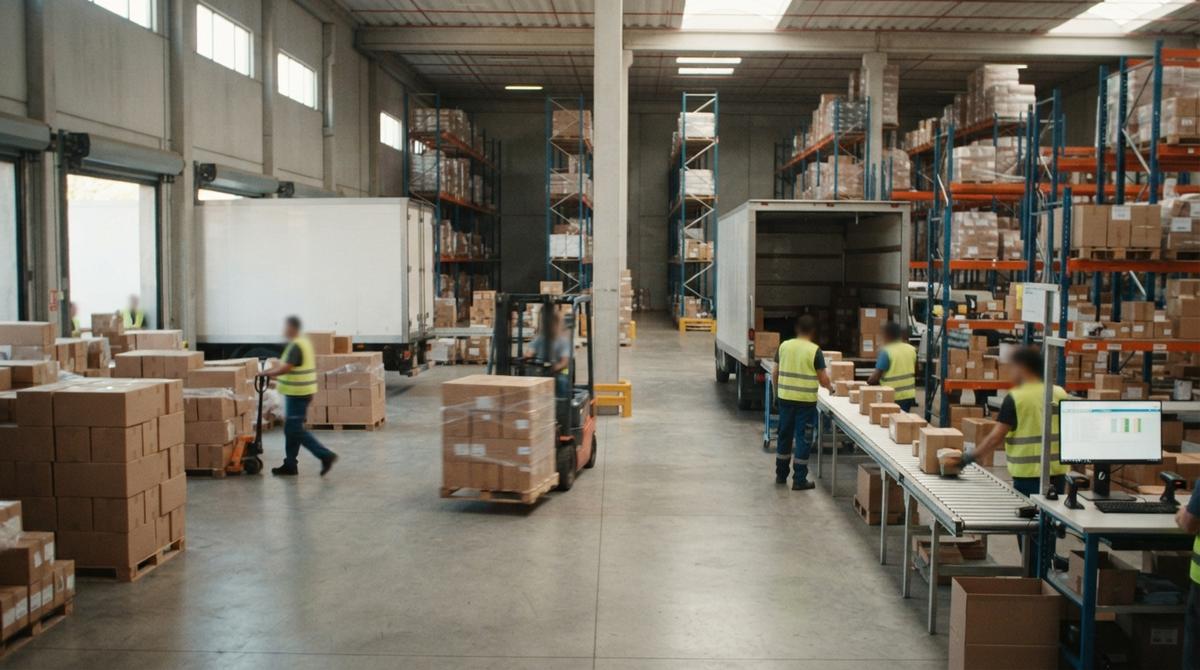
Distributors vs Suppliers
A supplier provides goods or materials to a business. A distributor buys goods in bulk from suppliers and resells them to other businesses. Every distributor is a supplier to its own customers. Not every supplier is a distributor.
Book a callDistributors vs Suppliers: What Is the Difference?
The difference between a distributor and a supplier is the job each does in the chain. Company size does not decide it. A small grower can be a supplier. A huge warehouse can be a distributor. People mix up the terms because a distributor is one kind of supplier.
Reviewed November 2026.
What Is a Supplier?
A supplier is any business that provides products, parts or materials. It can be a manufacturer, a grower, an importer or another source. Picture a factory that makes cleaning products and sells full pallets to a distributor.
Buyers who hold stock must count it. IRS Publication 538 states: "To figure taxable income, you must value your inventory at the beginning and end of each tax year." That count starts with knowing what each supplier sent.
What Is a Distributor?
A distributor is a business that buys from suppliers and sells to retailers, contractors or other businesses. Distributors add services that a factory does not offer:
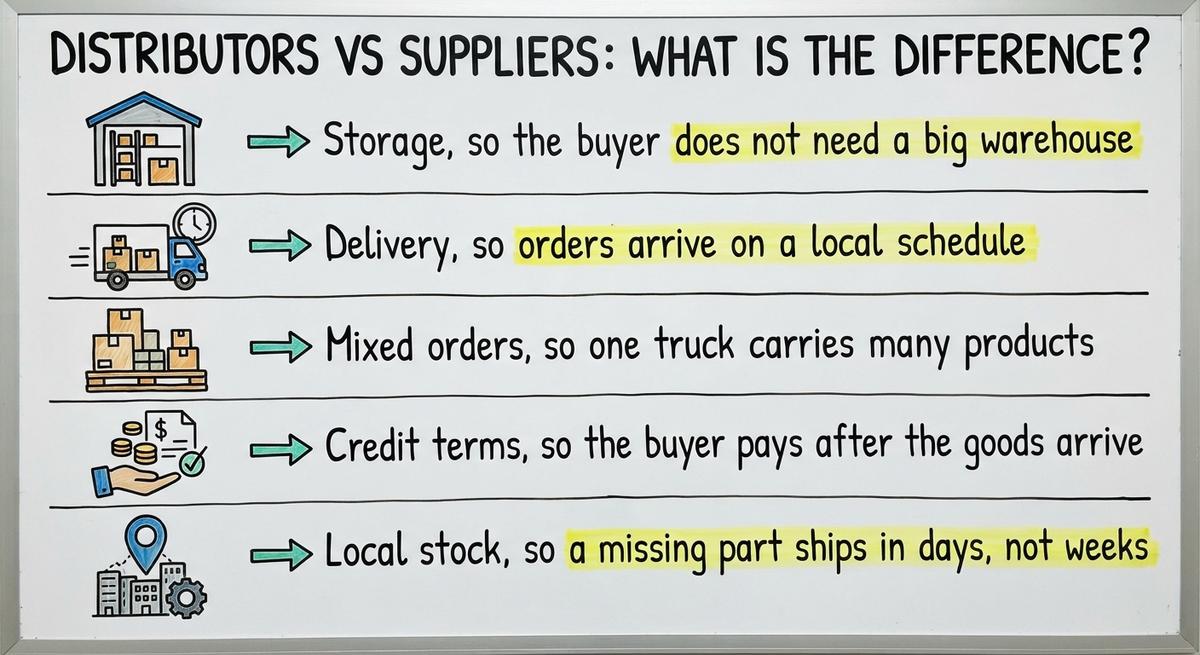
- Storage, so the buyer does not need a big warehouse.
- Delivery, so orders arrive on a local schedule.
- Mixed orders, so one truck carries many products.
- Credit terms, so the buyer pays after the goods arrive.
- Local stock, so a missing part ships in days, not weeks.
Distributors carry many brands in one place. A buyer opens 1 account instead of 10.
We build it for your operation, and the first look is free
If you would rather not compare products, describe how your operation already works and we build the system around it.
No build cost. You see it running on your own process first, and the monthly subscription starts only once it is live.
Book a callDistributor vs Supplier: Key Differences
The table below sets distributors vs suppliers side by side. Each row is one short line.
| Factor | Supplier | Distributor |
|---|---|---|
| Role | Makes or sources goods | Buys, stores and resells goods |
| Buys from | Raw sources or its own plant | Suppliers and manufacturers |
| Sells to | Distributors, retailers, makers | Retailers, contractors, businesses |
| Stock | One brand or product line | Many brands in one place |
| Pricing | Lower unit cost, big minimums | Higher unit cost, small orders |
| Shipping | Bulk loads, long lead times | Local delivery, mixed orders |
A distributor holds inventory and handles delivery. Many suppliers ship in bulk only. You pay a distributor for the work of splitting up big loads.
How Distributors Differ From Wholesalers and Manufacturers
A manufacturer makes the goods. A wholesaler buys in bulk and resells. A distributor does the same, with closer ties to its suppliers. Those ties can include authorized or exclusive lines.

So is a distributor the same as a wholesaler? Not quite, but the terms overlap in daily use. Searches for distributor vs wholesaler, or wholesale vs distributor, find the same blurry line. Many business distributors call themselves both. Judge a company by the job it does, not the word on its truck.
How Distributors and Suppliers Work Together
The flow has 4 steps:
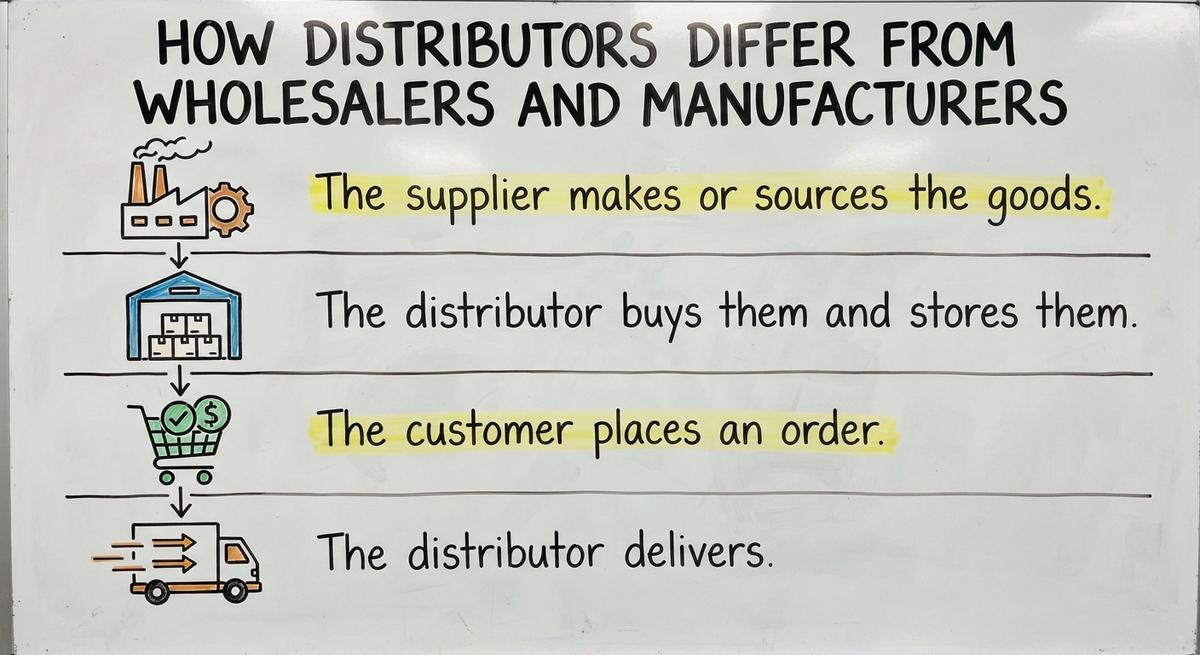
- The supplier makes or sources the goods.
- The distributor buys them and stores them.
- The customer places an order.
- The distributor delivers.
The link holds only if buy orders, lead times and stock counts are right. A late shipment notice leaves shelves empty. A wrong count leaves a warehouse full of slow items. Bad data on either side causes stockouts or overstock.
Not sure this is the right shape for your operation
Describe how the work runs today. We map it on a call and show you what it would look like built around that, before you spend anything.
Book a call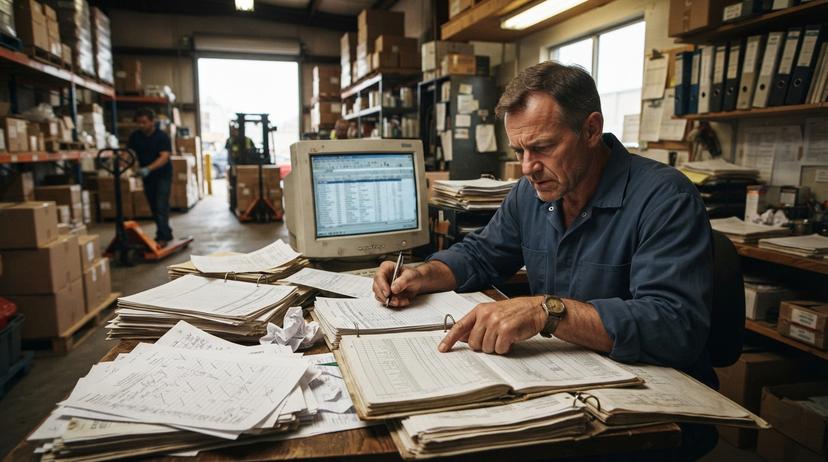
What Should a Distributor Track About Its Suppliers?
A distributor should track 6 things for good supplier management:
- Buy orders, which are the written requests to buy goods at an agreed price.
- Supplier prices, because a stale price turns into a lost margin.
- Lead times, the days between an order and its arrival.
- Backorders, the items a supplier owes but has not shipped.
- Received quantities, checked against what the buy order said.
- Returns, with the reason and the credit owed.
Many small distributors keep this in QuickBooks, Excel sheets, printed pages and email. Each tool holds a piece. Nobody holds the whole picture. Staff type a received count into a sheet, then again into QuickBooks. Weak inventory tracking follows, and reorders slip.
When Spreadsheets and Email Stop Working
Spreadsheets fail in 3 clear ways. Reorder points live in one person's head. Supplier prices are out of date. Staff retype the same order in 2 places.
Do the math. 2 people spend 5 hours a week on retyping at $22 an hour. That is 2 x 5 x 52 x $22, or $11,440 a year. The cost is real before a single error.
The fix does not need a big ERP, which is a full system that runs the whole company. Custom software can sit next to QuickBooks and replace only the manual steps. A local Columbus, Ohio team can build around how the operation already works.

Should I Buy From a Distributor or Directly From a Supplier?
Buy from a distributor when you need small mixed orders, fast delivery and fewer accounts. Buy direct from a supplier when you need high volume and the lowest unit cost. Weigh 4 things before you choose:
- Minimum order size: can you buy a full pallet?
- Lead time: can you wait weeks for stock?
- Storage space: do you have room for a big load?
- Cash flow: can you pay for it up front?
Rule of thumb: if you cannot store it and sell it fast, use a distributor. If you move it by the pallet, go direct.
Next Step
If supplier data lives in too many places, map your buy orders, prices and lead times first. The Software Society builds custom workflow software that replaces the manual steps and keeps your current tools. Contact us to review your process.
Frequently asked questions
What is the difference between a distributor and a supplier?
A supplier provides goods or materials to a business. A distributor buys goods in bulk from suppliers and resells them to other businesses. The difference is the role in the chain, not company size.
Is a distributor the same as a supplier?
No. A distributor is one kind of supplier, but many suppliers are not distributors. A factory that sells only its own goods is a supplier. A business that resells many brands is a distributor.
What does a distributor do that a supplier does not?
A distributor stores stock, delivers locally, fills mixed orders and offers credit terms. Many suppliers ship bulk loads only and set large minimum orders.
Is a distributor the same as a wholesaler?
The terms overlap in daily use. Both buy in bulk and resell. A distributor often has closer supplier ties and may hold authorized or exclusive lines.
Should I buy from a distributor or directly from a supplier?
Buy direct for high volume and lower unit cost. Use a distributor for small mixed orders, faster delivery and fewer accounts. Check minimum order size, lead time, storage space and cash flow first.
What should a distributor track about its suppliers?
Track buy orders, supplier prices, lead times, backorders, received quantities and returns. Keeping these in one place cuts double entry and missed reorders.
Do small distributors need an ERP to manage suppliers?
No. Custom software can sit next to QuickBooks and replace only the manual steps, such as retyping orders and tracking reorder points.
Start with a free first look
A 30 minute call, your operation mapped, and a clear picture of what we would build. No obligation and nothing to install.
Book a callRelated guides
More on the same work.
Guides
- Business Distributors
- Distributor Examples
- Company Distributor
- Distribution Management Software
- Cloud-based Purchase Order System
- Distribution Inventory Management