


How to Get More Customers for My Small Business
Getting more customers for a small business is turning local searches and referrals into steady calls and bookings. Owners across the United States can use this 2026 guide now. Most new buyers search Google or ask an AI assistant first. Then they look at your site before they call.
Trades, clinics, law offices, shops, and studios all need steady work. Plain steps grow the daily schedule and weekly revenue. You need a clear website, a correct Google listing, a habit of asking for reviews, and a short list of past clients to call.
Fixing 3 core places brings steady jobs, patients, and clients.
Book a callHow to Get More Customers for My Small Business Today
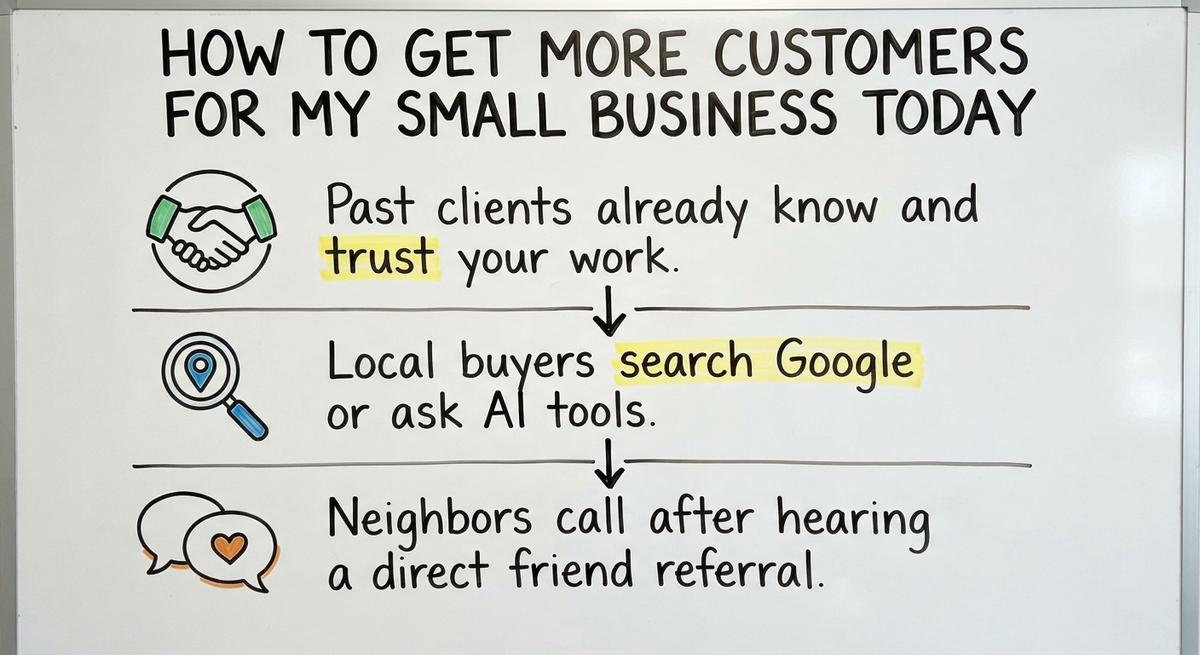
New buyers come from 3 main sources in 2026. Knowing where calls start helps you fix the right gaps first.
- Past clients already know and trust your work.
- Local shoppers type a question into Google or a chatbot.
- Neighbors phone after a friend recommends you.
Each step below uses plain words like jobs, patients, clients, orders, and classes. None of it needs complex marketing tricks or a huge ad budget.
Strong basics across all 3 paths bring work every week.
See your new homepage before you pay anything
Your homepage, rebuilt free. You see it before you pay anything.
Past SEO campaigns grew organic traffic 26x in 14 months.
Book a callStart With the Customers You Already Have
Past customers are the cheapest source of new work for any local firm. A short check-in brings back repeat visits, checkups, tune-ups, and annual renewals.
Keep a simple list of names and last service dates. Call or text the people who hired you last year. Even an email signature can help here. Popl, a lead capture app, says to "Make every email an opportunity to collect more leads, add more contacts, and grow your business faster."
Google Business Profile Help states, "Local results are mainly based on relevance, distance, and popularity." Repeat buyers who post feedback add to that popularity.
Reaching out to people who already trust you fills open calendar spots this week.
How Do I Get More Customer Reviews?
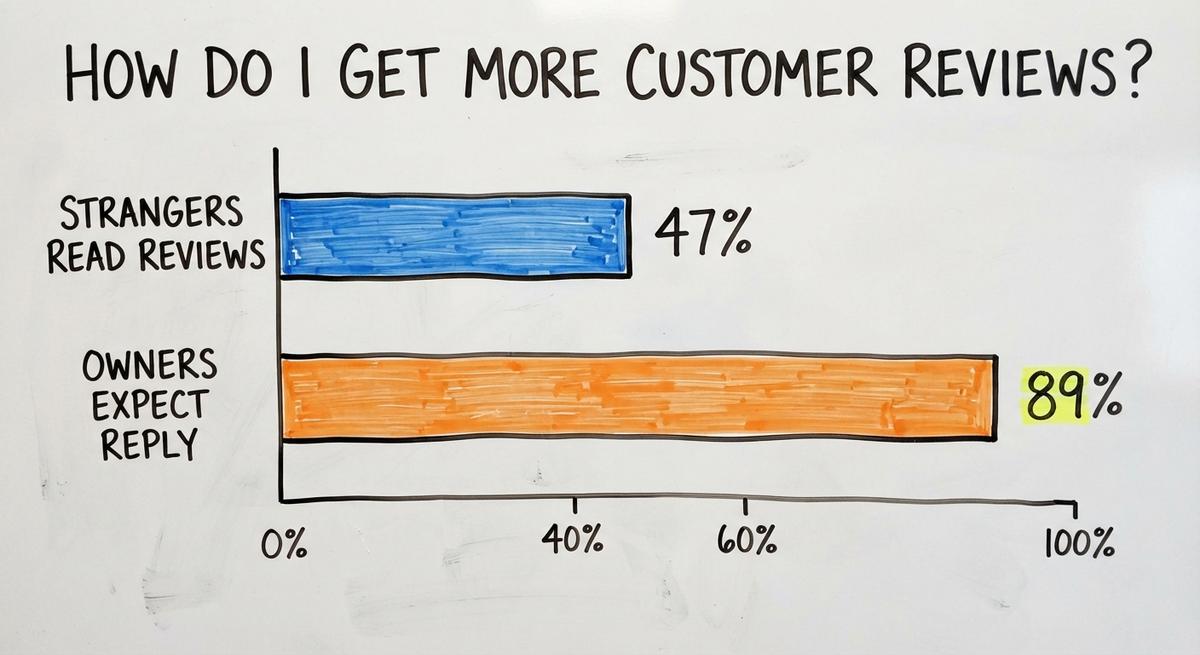
Customer reviews are public proof that strangers read before they pick up the phone. Ask right after a job ends and send a direct link.
BrightLocal reports that "97% of consumers still lean on reviews to guide their purchase decisions." Its survey also shows 47% skip firms with fewer than 20 reviews. Another 89% expect owners to reply.
Google's review policy states that "Reviews and other user contributions to Google Maps must reflect a genuine experience." Never offer discounts or gifts for feedback. Trades use simple habits here, like the driveway text in how to get more roofing reviews.
Steady requests turn finished jobs into future phone calls.
Make Sure Google Shows Your Business Correctly
A Google Business listing is a map box that shows your trade, hours, and phone number. That box decides who gets the first local call.
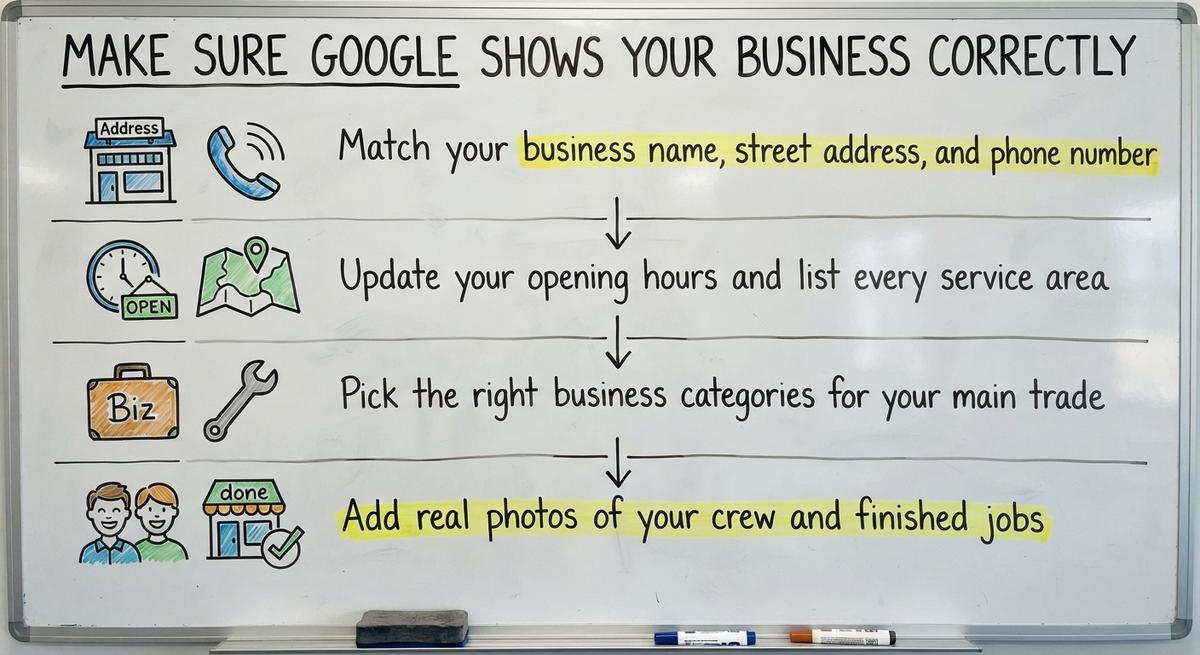
Check these 4 core details on your profile right now:
- Match your business name, street address, and phone number.
- Update opening hours and list every service area.
- Pick the right categories for your main trade.
- Add real photos of the team and finished jobs.
Wrong hours or an outdated line cost real calls every week. Refresh photos each season so people see an active, reliable shop. This Google Business Profile guide for roofers walks through every field, and the steps carry over to any trade.
A correct listing helps nearby buyers reach you with ease.
Why a Small Business Website Is Your Best Salesperson
A small business website is your hardest worker every hour of the day. Almost everyone checks it before calling, even after a warm referral.
An old or confusing site sends visitors to the next listing. Slow pages and tiny mobile text push ready callers away too. A good site works without hourly pay, turning casual interest into booked visits.
Clean pages turn curious locals into paying clients day and night.
What Your Homepage Must Say in Five Seconds
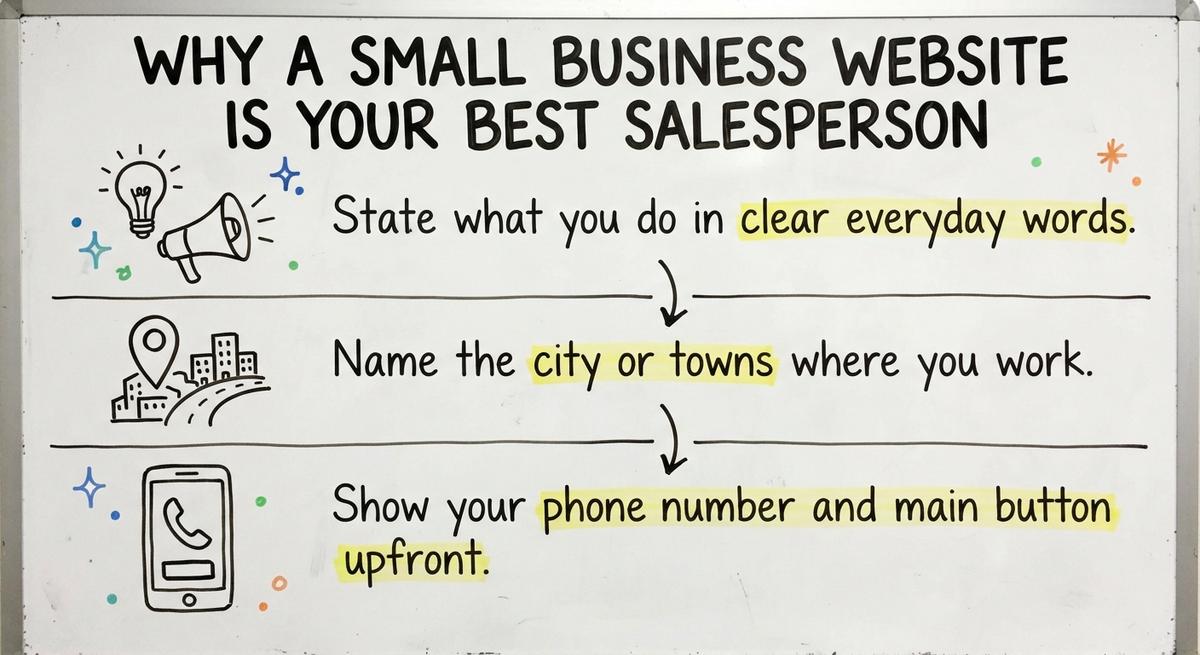
Your homepage has 5 seconds to answer 3 questions for a first-time visitor. Plain words beat industry jargon.
- State what you do in clear everyday words.
- Name the city or towns where you work.
- Show the number to dial and a main button upfront.
A plumber writes "Drain cleaning and pipe repair in Austin." A dental clinic writes "Family dental care in Columbus." A law firm writes "Divorce and custody lawyers in Phoenix."
Clear lines at the top stop people from leaving. Good roofing website design shows the same pattern in a busy trade.
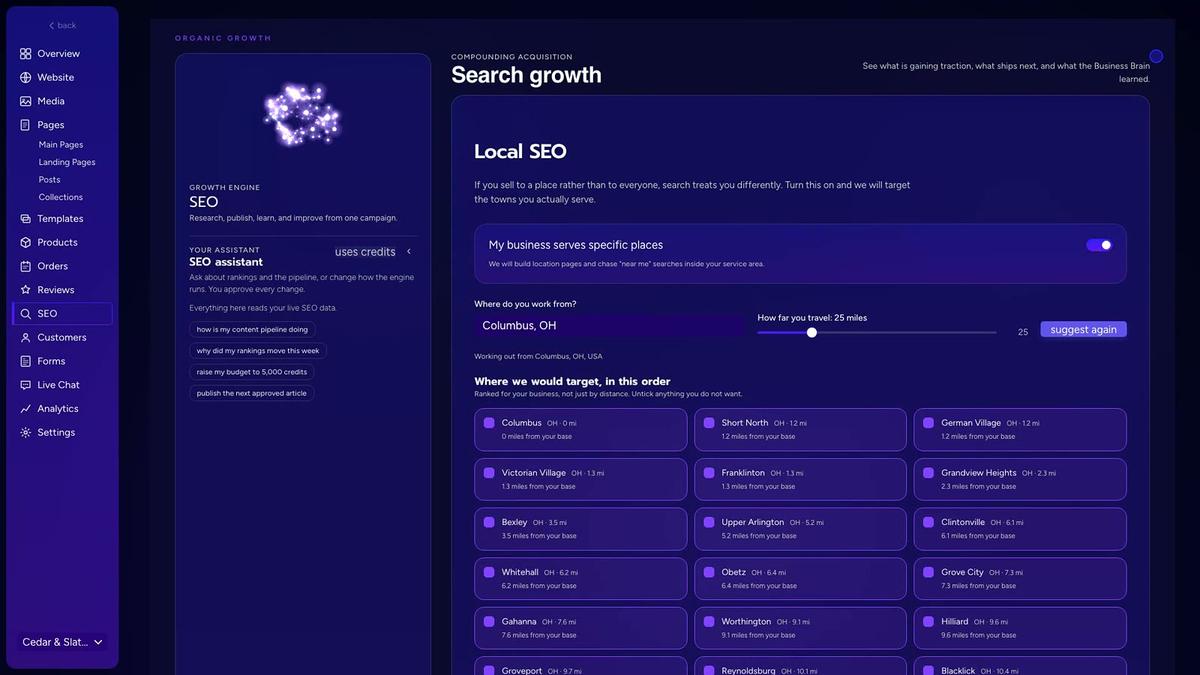
Find out where you show up on the map
A free map check for your company. See which towns find you and which call a competitor.
Book a callMake It Easy to Call or Book
Contact friction costs your business at least 1 lost lead every week. Busy people leave when reaching your desk takes too many clicks.
Add a tap-to-call link for mobile browsers. Keep your contact form to 3 fields: name, phone number, and what they need.
Clinics, salons, and studios should place a booking button in the header. Test every button on a phone to confirm it opens fast.
Fewer form fields turn more visitors into real leads.
Give Each Service and Town Its Own Page
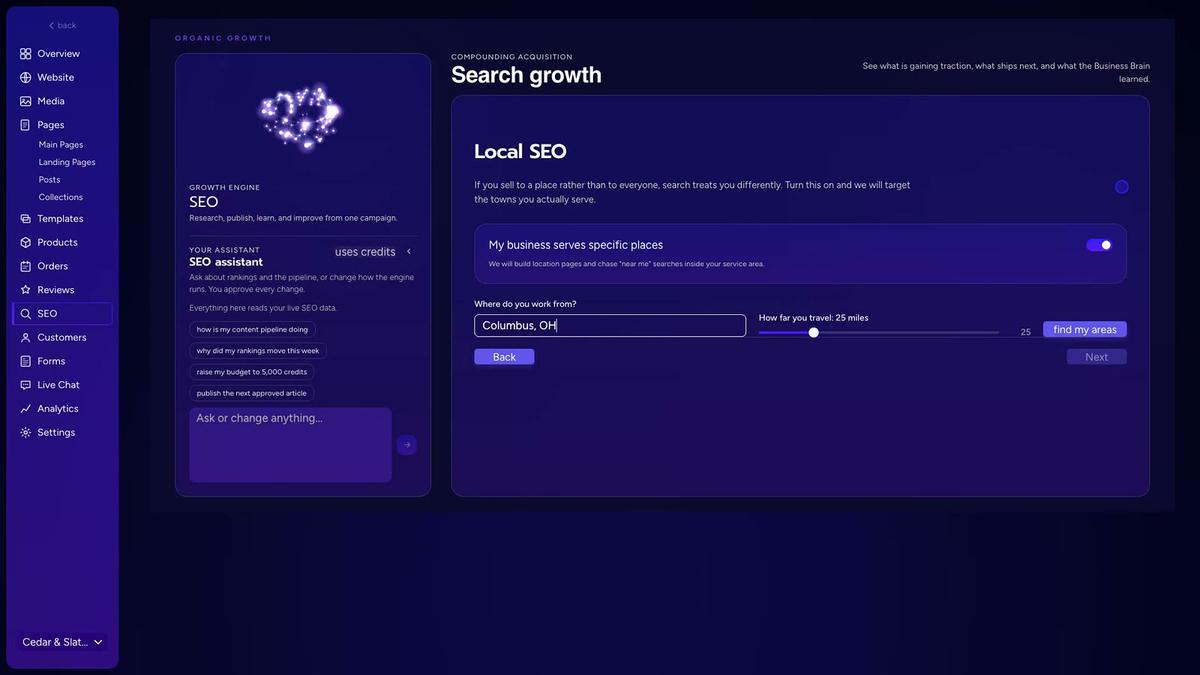
Separate service and area pages are the core of local search. One broad page cannot rank well for 10 different jobs across 6 towns.
Search engines match specific pages to specific searches. When a homeowner types one exact problem, a focused page wins that click. Splitting your site by job type and location helps the right people find you.
Focused pages bring better calls than one generic page.
Give Each Main Service Its Own Page
A service page is a single web page built around one job, treatment, or legal matter. Examples include drain cleaning, tax preparation, and divorce law.
Each one explains what the service is and who it helps. Tell readers the next step once they call your office.
Place a call button near the top and bottom. A tidy layout guides readers to your phone line. A focused landing page works this way too: one service, one action.
Specific service pages connect buyers with the exact help they need.
Should I Make a Page for Each Town I Serve?
Local town pages are smart tools when they carry real local details. Searches like "electrician near me" favor firms with clear city pages.
Never copy one page and only swap the town name. Google's spam policies call that "doorway abuse" and treat it as spam.
Only list towns you truly serve. Mention neighborhoods, highways, or landmarks on each page. Share photos from real jobs in that community. More on this is in local SEO for roofing companies.
Honest town pages bring nearby buyers without breaking search rules.
How Google and AI Search Rank Local Firms
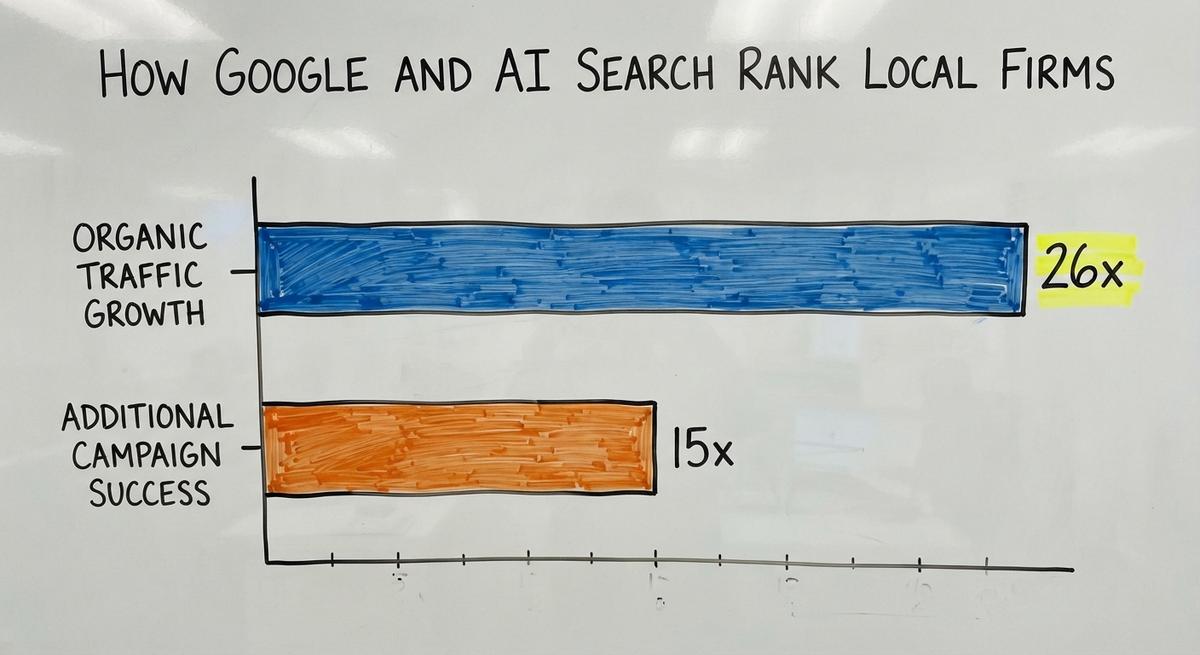
Three core signals drive your local search rank on Google. They are a clear site, an accurate map profile, and real customer reviews.
Organic results keep bringing calls with no fee per click. Past SEO campaigns by The Software Society grew organic traffic 26x in 14 months and 15x on another.
Strong rankings lower ad spend over time. Many people trust natural listings more than the paid banners above them.
A steady foundation keeps your phone ringing month after month.
How AI Search Picks Businesses to Mention
AI search is a tool like ChatGPT, Gemini, or Perplexity that recommends local firms. In 2026, those tools scan pages for direct answers.
Google Search Central explains that "People-first content means content that's created primarily for people, and not to manipulate search engine rankings." Search Engine Journal noted in 2024 that marketers are "in the midst of a content revolution led by generative AI."
Clear facts about services and towns help assistants quote you correctly. Our on page SEO checklist lists the basics each page needs.
Plain, helpful pages get picked by both Google and chatbots.
Results you can check
Past SEO campaigns grew organic traffic 26x in 14 months, and 15x on another. Top Rated Plus on Upwork with 99% job success.
Work for brands like New Balance, Purina and Aramark, and SEO for Planned Parenthood.
Book a callAnswer Customer Questions and Show Real Proof
Clear answers are the fastest way to remove doubt before someone dials. People pick the business that explains its process in plain words.
Confused visitors click back and dial a rival. Pages that answer common concerns bring callers who are ready to book.
Honest details also save staff hours of basic phone screening. Clear expectations prevent awkward surprises on job day.
Helpful answers turn nervous shoppers into confident callers.
Answer the Questions Customers Ask on the Phone
Phone questions give you 4 easy topics to add to your site today. Write 2 or 3 plain sentences for each question your staff hears weekly.
- Share general cost ranges or explain how estimates work.
- State how long a typical job or visit takes.
- List what a client or patient needs to bring.
- Explain which insurance plans or job types you accept.
Never state prices, licenses, or guarantees you cannot back up.
Honest answers on the page turn hesitant visitors into ready callers.
Show Proof That You Are Real
Real photos are visual proof that your business does honest work. Stock photos of smiling models make local buyers doubt you.
Post clear pictures of your crew, trucks, office, and finished work. Show before and after shots from jobs around town.
Only claim licenses, insurance, or awards you truly hold and can show on request. Add short quotes from real local clients next to those photos.
Visible proof makes calling a new business feel safe.
Ask for Referrals and Local Partners
A local referral is a direct recommendation from a past buyer or nearby partner. Referrals from happy clients bring warm leads at zero ad cost.
Ask satisfied buyers directly: "Who else do you know who needs this?" Most will gladly share a name when asked politely.
Build ties with nearby firms that serve the same people in different trades. Realtors and movers share clients every week. So do doctors and physical therapists.
Send referrals to your partners first so they send work back to you.
Get a second opinion on your current setup
Already paying for marketing? Get a free second opinion on what works and what wastes money.
Book a call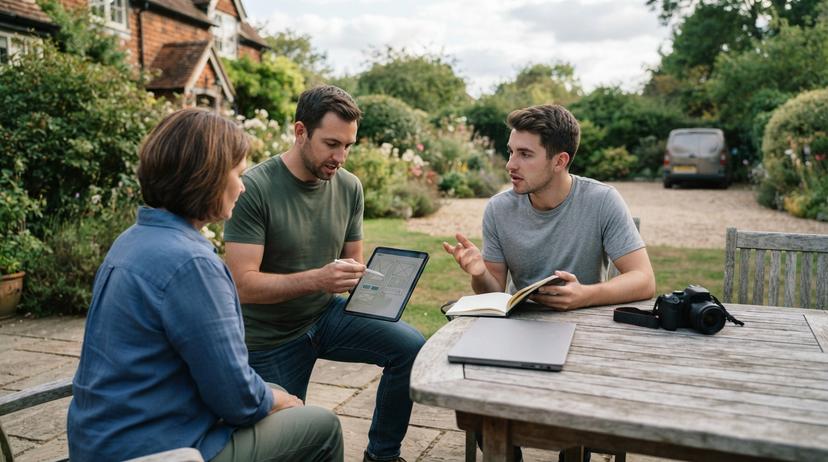
Should a Small Business Pay for Ads?
Paid ads are fast traffic, but calls stop the day you stop paying. Fix your site first so paid clicks do not land on a confusing page.
Send every ad click to a single page built for one clear offer. Set a strict monthly budget you can afford without stress.
Google Local Services Ads let eligible trades "Pay only for leads related to your business and the services you offer." Setup tips are in Google Ads for roofing companies.
Contractors often run ads for quick calls while search pages grow, as described in how to get roofing leads.

How Long Will New Customer Growth Take?
Outreach to past clients brings calls in days, while search gains build over 3 to 6 months. Calling old clients and asking for reviews can fill gaps within days.
Website updates and rankings take steady time to climb. Adding just 2 extra jobs a week at $350 each brings $36,400 a year in new revenue. A trade example of the timeline is in how long roofing SEO takes.
Steady updates add up and protect your schedule in slow seasons.
Steady, honest work beats quick tricks every year.

How to Track Which Marketing Channels Pay Off
Monthly tracking is the only way to know which channels actually work. Guesswork wastes time and money in every trade.
Ask every new customer, "How did you find us?" and write the answer down. Typeface reports that strong teams "rely more heavily on first-party and intent data." Your own call log is exactly that kind of data.
Tally calls, bookings, and forms monthly. A simple spreadsheet is enough.
Put more effort into what brings buyers in, and drop what does not.
Why Fast Website Changes Matter
Fast website updates are key when your hours, crew, or offers change. Waiting weeks for a slow agency or fighting a page builder costs real bookings.
Ask any provider how long a simple change takes. A new phone number or holiday hours should go live the same day. A seasonal offer should not wait a week.
If you sell products, prices and stock need that speed too. See how to make a website to sell things for the basics of an online store.
Fast updates let owners promote new offers the moment they need calls.
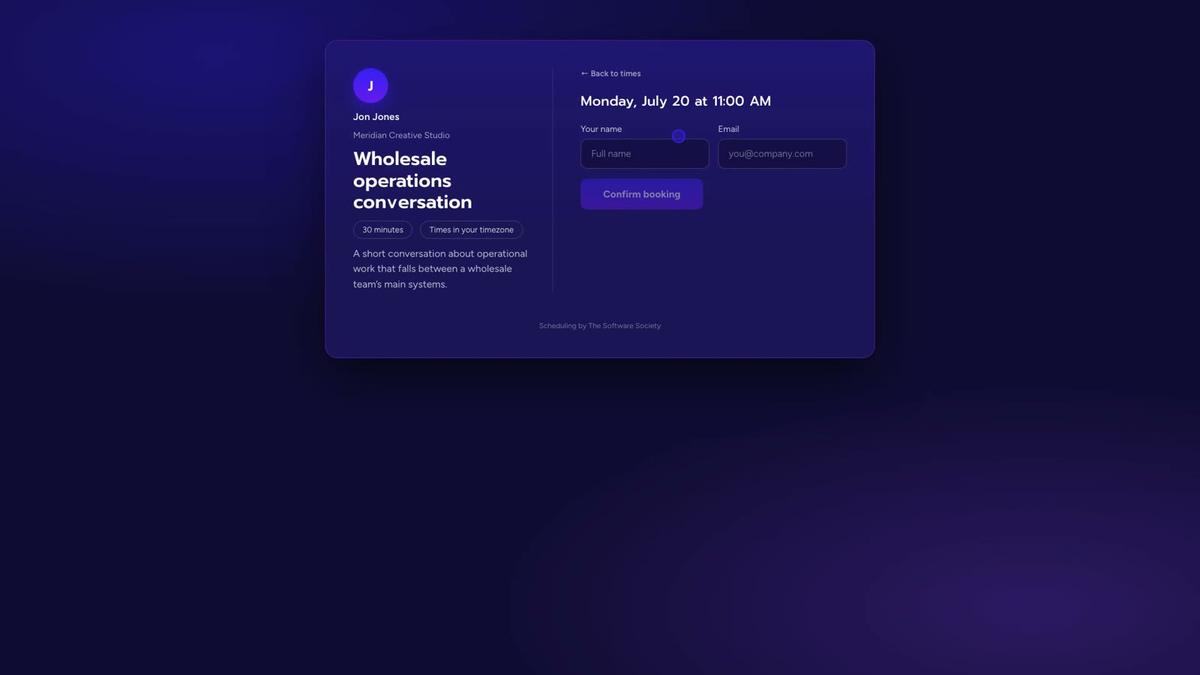
See a New Homepage Before Paying
A preview is the safest way to judge any web provider. Ask to see a working homepage for your business before you pay anything.
Check it on your own phone. Look for your trade, your town, and your phone number in the first screen. Ask who keeps the site and pages updated each month once you approve it.
Ask for proof of past results too. Real traffic and call numbers matter more than polished sales decks.
A preview you can test removes most of the risk of hiring the wrong team.
Frequently asked questions
How can I get more customers?
Start by calling past customers, updating your map listing, and asking recent buyers for feedback. Next, make the homepage clear in 5 seconds: the trade, the towns served, and a way to reach you. Fixing those basics turns local searches into steady phone calls.
Do I need a website to get more customers?
Yes. Nearly every buyer checks a site before reaching out, even with a referral in hand. Without a clear site, people lose trust and pick another firm from Google Maps.
How many reviews do I need to get more calls?
Aim for at least 20 recent, genuine ratings on your Google listing. BrightLocal research shows 47% of consumers pass over a business below that mark. It also shows 89% want a reply from the owner.
What is the best way to build a small business website?
There is no single best option for every owner. A DIY builder costs less upfront but takes your own time to write and update. A freelancer handles small fixes at lower rates. An agency or a done-for-you service builds the site, writes the pages, and runs SEO for you. Budget and available time decide which fits.
How do customers find my business on Google and AI search?
Search engines and chatbots read your website and your profile to match services and town to a buyer's question. Clear service pages, accurate local details, and steady ratings help both recommend your business.
How do I know which marketing steps are working?
Add up phone calls, online bookings, and contact forms each month. Ask each new client how they heard about you and log it. Then focus on whatever brings in real jobs.
Start with a free homepage rebuild
Book a short call. Your new homepage is free to see and yours to keep.
Book a callRelated guides
More on the same work.