


Small Business Website Design Services
Small business website design services are plans where a team builds your site. As of April 2026, a fast site turns searches into paying leads and booked jobs. The plan covers layout, writing, pages, hosting, and mobile setup.
Trades, clinics, law firms, shops, studios, and nonprofits use these plans. The goal is simple. More phone calls. More booked jobs each week.
Good website design for small business owners pays off fast. Owners skip the tech work. They spend those hours on paying clients instead.
It shows how to compare providers, spot red flags, and see what each industry needs online.
Book a callWhat Are Small Business Website Design Services?
A done-for-you website is a site an outside team builds and launches. Owners share basic facts. The team handles every technical step.
Small business web design focuses on calls, quotes, and booked visits. Pretty pages fail without calls. Every page guides buyers toward one step.
Clear design turns local web visitors into steady callers.
What a Good Website Design Service Includes
A complete site includes 4 core pages and basic search setup. Hosting is monthly server space. It keeps your website online.
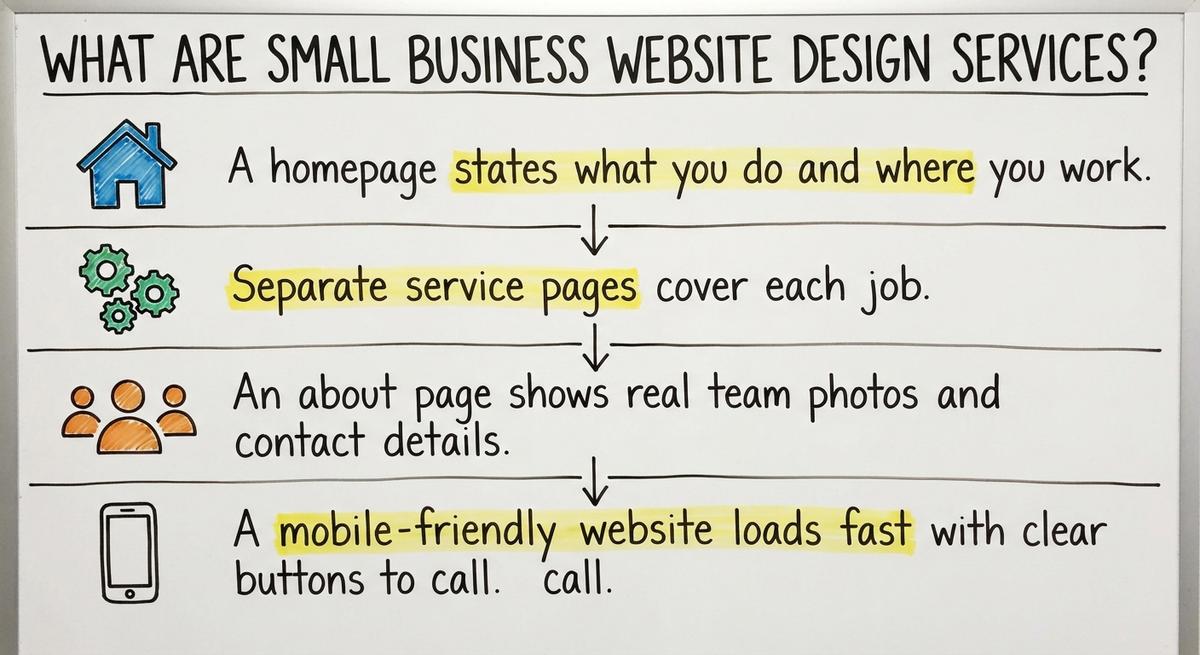
- A homepage states what you do and where you work.
- Separate service pages cover each job, treatment, or practice area.
- An about page shows real team photos and contact details.
- A mobile-friendly website loads fast with clear call buttons.
Search setup matches your pages to your Google Business Profile. "Local results are mainly based on relevance, distance, and popularity," according to Google Business Profile Help.
A clean website gives Google the exact facts it needs. Roofers can see this at work in Google Business Profile for roofers.
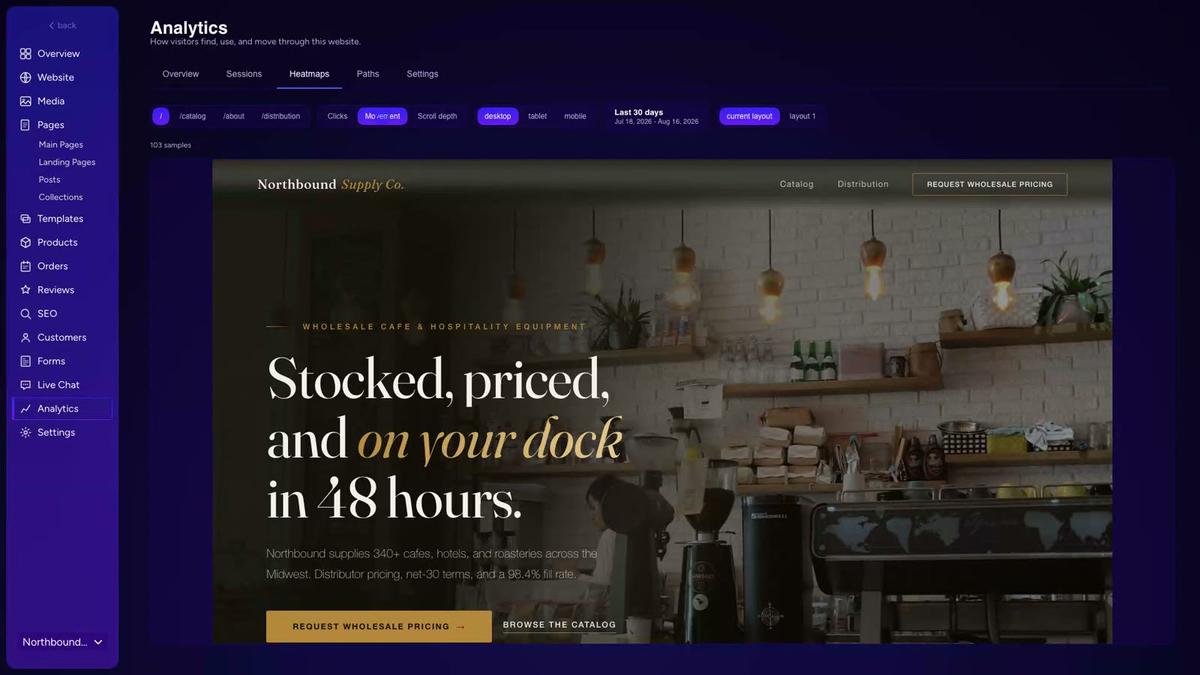
See your new homepage before you pay anything
Your homepage, rebuilt free. You see it before you pay anything.
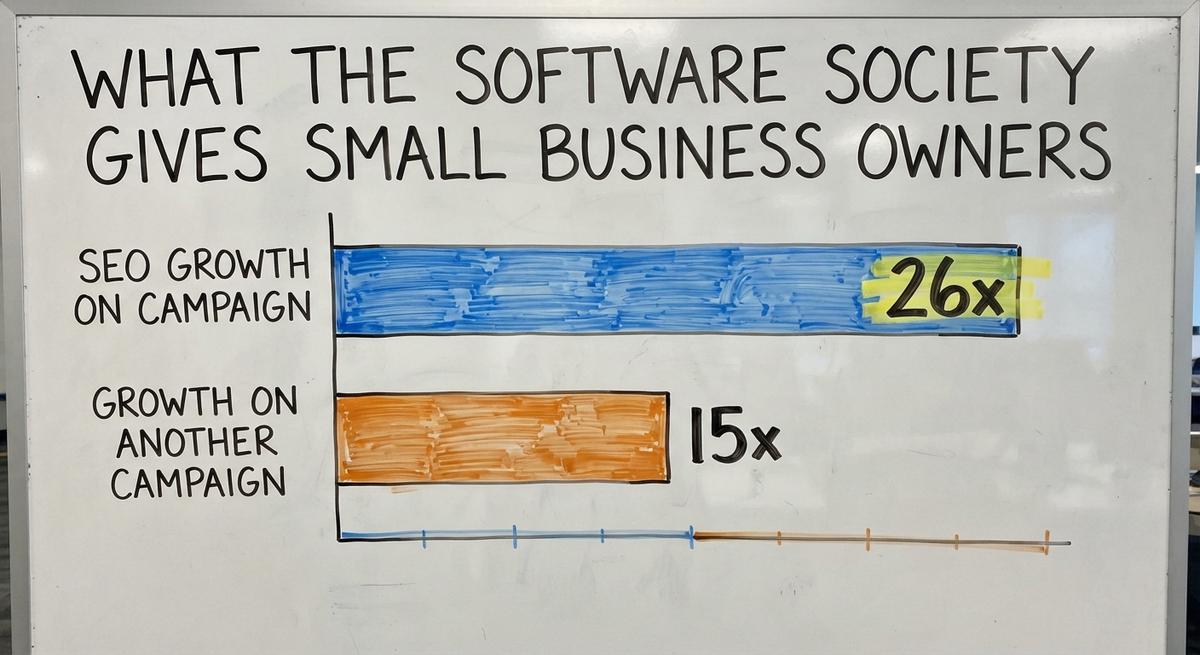
Past SEO campaigns grew organic traffic 26x in 14 months.
Book a call
Who Needs Small Business Website Design Services?
Owners without a site are top candidates for small business website design services. Owners with slow sites need help too. So do owners who get few calls from Google.
A website redesign is a full update of an old site. It fixes speed, pages, and layout. Consider one if these signs fit your company:
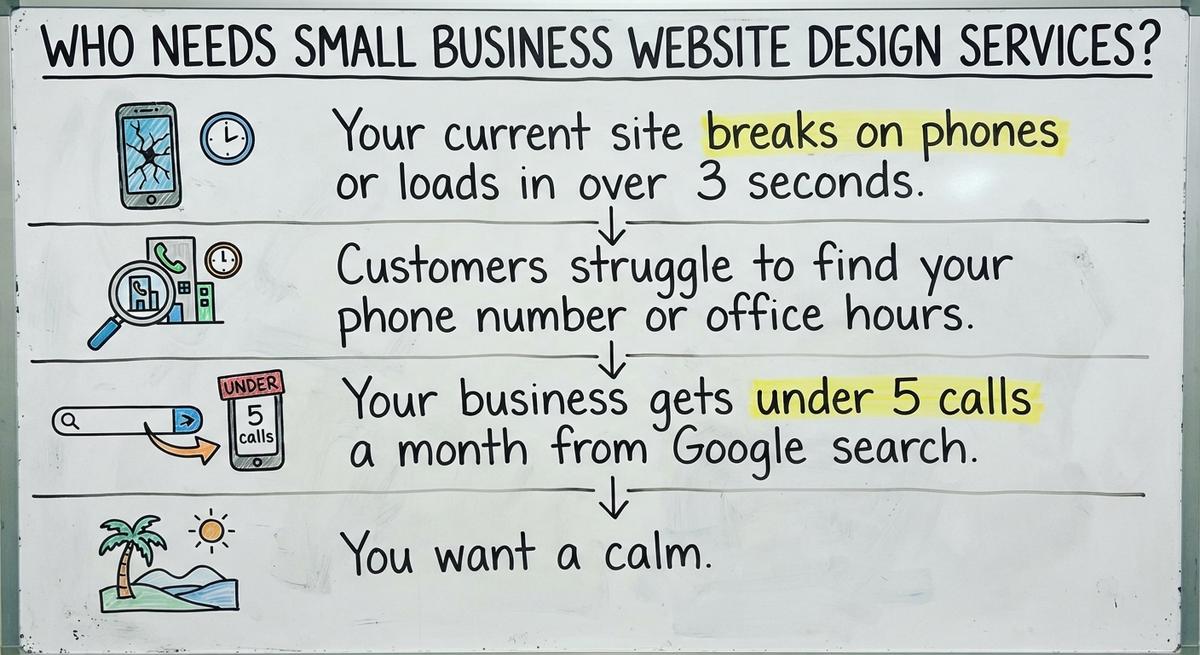
- Your current site breaks on phones or loads in over 3 seconds.
- Customers struggle to find your phone number or office hours.
- Your business gets under 5 calls a month from Google search.
- You want a calm, trustworthy online presence before clients visit.
Waiting too long hands ready buyers to nearby competitors. An old website costs calls every week it stays live.
How Much Do Small Business Website Design Services Cost?
Website pricing is a mix of build fees and ongoing update costs. A template costs the least upfront. Freelancers, agencies, and custom builds cost more.
Many owners forget to count their own hours. Picture an owner who spends 10 hours a week on the site. At $50 an hour, that owner loses $500 a week.
That lost time equals $2,000 a month in billable work. Over 12 months, it adds up to $24,000 a year.
Cutting that to 2 hours a week costs $100 instead. That puts $400 a week back into billable time. Across a year, that is $20,800.
Monthly plans cover hosting, security updates, and page edits. Count both cash and hours. Then you see the true price of each option.
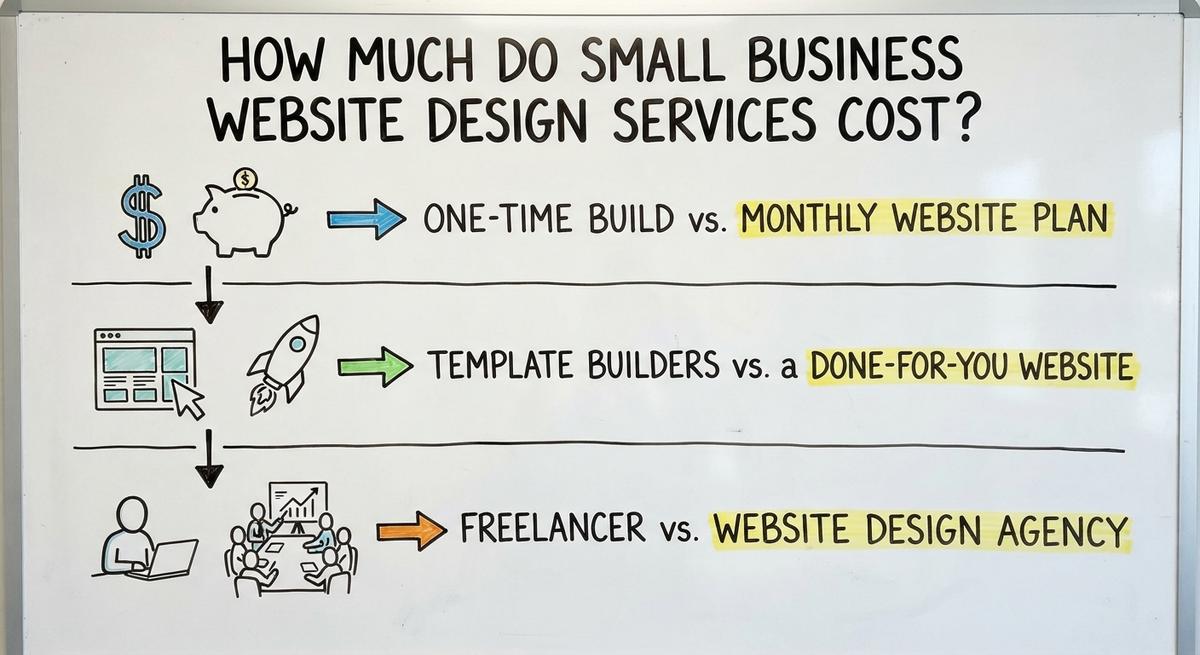
One-Time Build vs. Monthly Website Plan
A one-time build stops all work on launch day. Within 6 months, things change. Hours shift. Services change. Pages go stale.
Monthly website plans keep pages fresh and fix broken links. Ask who handles text edits and new pages. Get that answer before signing any deal.
A website that grows each month keeps calls coming long after launch.
Template Builders vs. a Done-for-You Website
A template builder is a self-serve design tool. You drag boxes onto a layout. Owners keep control, yet spend nights fixing mobile spacing.
A roofing website builder still leaves every page to the owner. Search setup falls on the owner too. Done-for-you website plans trade a monthly fee for free time.
A dedicated team writes words, sets layouts, and connects forms. The owner stays on the job.
Freelancer vs. Website Design Agency
A freelancer is a solo builder who charges less upfront. One person can get too busy to reply later.
An agency is a full team for design, writing, and small business SEO. Check proof of real lead growth before hiring anyone.
| Option | Upfront Cash | Your Time Needed | Post-Launch Support |
|---|---|---|---|
| DIY Template Builder | Lowest | High | None |
| Freelancer | Low to Medium | Medium | Varies by person |
| Traditional Agency | High | Low | Paid hourly or retainer |
| Done-for-You Service | Low or Monthly | Very Low | Included in plan |
Real lead growth matters far more than pretty screenshots. Ask every website design service for numbers, not just a portfolio.
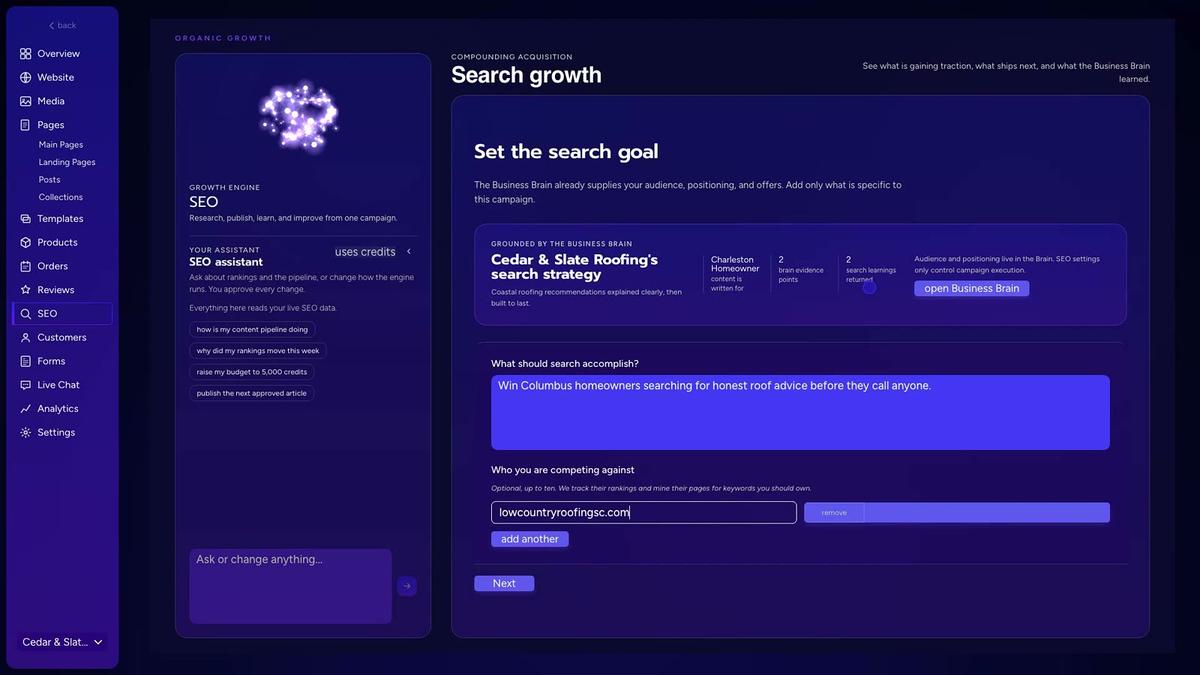
Find out where you show up on the map
A free map check for your company. See which towns find you and which call a competitor.
Book a call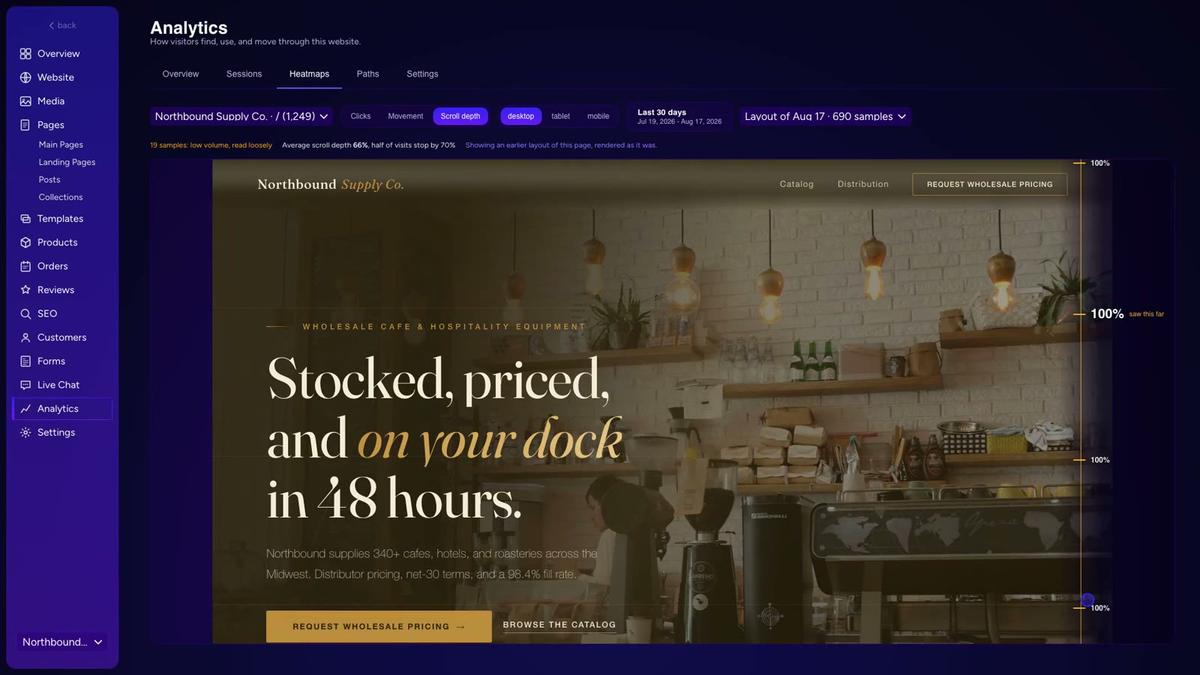
What Makes a Small Business Website Bring in Customers?
A high-converting website states your work in the first screen. A call to action is a button that guides visitors. It tells them what to do next.
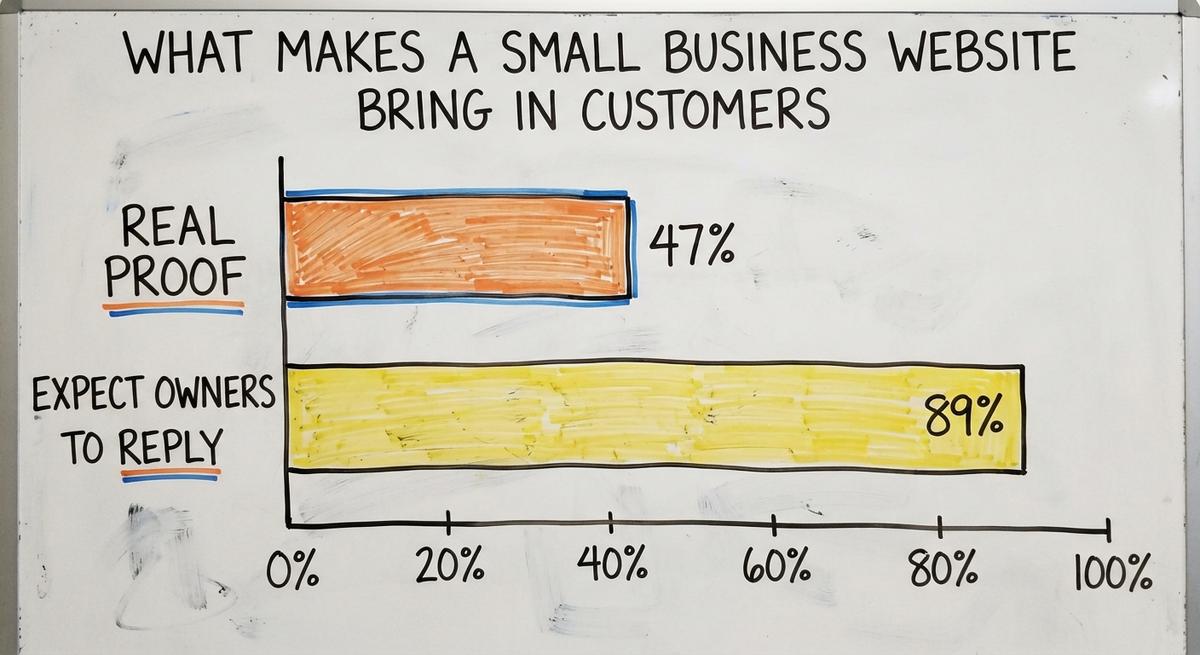
Real proof turns visitors into callers. "97% of consumers still lean on reviews to guide their purchase decisions," per BrightLocal's Local Consumer Review Survey.
The same survey found more. 47% of buyers skip firms with under 20 reviews. 89% of buyers expect owners to reply.
- Top bars show your phone number without any scrolling.
- Real photos show your team, trucks, or office clearly.
- Customer reviews answer common questions from local buyers.
- Every page keeps one clear next step for visitors.
Clear words and real reviews turn web visitors into booked calls. Roofers can use the same playbook in how to get more roofing reviews.
Why Must Your Website Work on Cell Phones?
Mobile speed is a top factor for local buyers in 2026. Most local searches happen on a phone. Many happen during an urgent need.
Local search is the set of map and web results for nearby buyers. Slow pages send phone users back to Google fast.
A mobile-friendly website keeps phone visitors engaged with 4 simple details:
- A tap-to-call button dials your front desk in 1 tap.
- Short quote forms use 3 or 4 thumb-friendly fields.
- Large, dark text stays readable outdoors in bright sun.
- Compressed photos load fast on a weak cell signal.
Phone visitors call only when your site loads fast and taps easily. A focused roofing landing page shows this layout at work.
How Website Design Helps You Show Up in Search
Good website design services help search tools read pages in seconds. Organic traffic is free. It brings new leads every month.
Paid ads work differently. Advertisers "Pay only for leads related to your business and the services you offer," per Google Local Services Ads Help.
An organic site works beside ads. It catches buyers below the paid box. Good structure turns your site into a 24-hour lead source. See how the two split in Google Ads for roofing companies.
How a Website Helps You Show Up on Google
Service pages are the best match for local Google searches. A service area page names your town and your work.
Put city and service names in plain headings. Google weighs relevance, distance, and popularity, per Google Business Profile Help. Clear pages cover the relevance part.
Write for people first. "People-first content means content that's created primarily for people, and not to manipulate search engine rankings," explains Google Search Central.
Copying town pages breaks Google's spam policies. Those rules flag pages "created to rank for specific, similar search queries" as doorway abuse. Read the full doorway rules before you add town pages.
Clean page structure with unique local details ranks your business safely in 2026. Work through an on-page SEO checklist before launch.
Results you can check
Past SEO campaigns grew organic traffic 26x in 14 months, and 15x on another. Top Rated Plus on Upwork with 99% job success.
Work for brands like New Balance, Purina and Aramark, and SEO for Planned Parenthood.
Book a callHow a Website Helps You Show Up in AI Search
AI search tools in 2026 pull answers from pages with clear facts. They skip vague slogans. They look for exact data.
Your website earns AI mentions when key facts are easy to scan:
- Plain text lists your exact services, towns, and hours.
- Question headings hold short, direct answers of 40 to 60 words.
- Checkable claims replace hype and vague promises everywhere.
- Every page keeps your name, address, and phone identical.
Clear, honest facts help AI tools quote your business to nearby buyers. The same people-first guidance applies here too.
Small Business Website Design Services by Industry
Industry layouts are vital in 2026 for trades, clinics, and firms. A generic layout fails. A dentist site should not look like a roofer site.
Industry-specific pages use the exact words customers type into Google. Matching your website to your trade shows buyers you are the right expert. Real trade terms build instant trust.
Website Design Services for Trades
Plumbers and roofers need urgent call buttons. A landing page is a single web page built to win calls.
Photos of finished jobs prove clean work. Good roofing website design uses plain trade words like repair, install, inspect, and free estimate.
HVAC companies follow the same rules. Their sites need seasonal service pages and fast booking. HVAC SEO covers the search side.
Every trade website should track each quote request. Then you know which pages bring work. See how to get roofing leads for more.
Website Design Services for Clinics and Practices
Clinics and dentists are practices that need calm layouts for simple booking. New patients look for office hours, insurance notes, and treatments.
Place an easy booking button on every screen of the website. Explain what happens on a first visit. Skip unverified awards or licenses.
A calm, organized site lowers stress before a patient ever calls.
Website Design Services for Law and Accounting Firms
Lawyers and CPAs are pros who win clients by sounding clear. Give each practice area or tax service its own page on the website.
Replace dense legal terms with plain, everyday language for stressed clients. Add a short consultation form on every practice page.
Clear pages build client confidence before the first meeting.
What Do Shops, Studios, and Nonprofits Need on a Website?
Shops, studios, and charities are groups that need clear actions up front. A local shop website must show hours, a map pin, and top products.
Selling online takes more. Clean product pages, visible prices, and fast checkout come first.
Studios need class schedules and 1-click booking. Nonprofits need bright donate buttons. Put the main action first. That turns visitors into buyers or donors.
How to Tell a Good Website Design Service From a Bad One
A good design team shows real traffic gains. It also keeps your business in control. A domain name is the web address customers type to find you.
Some vendors buy fake reviews. That breaks Google's rules. "Reviews and other user contributions to Google Maps must reflect a genuine experience," says Google's review policy.
Here is how good and risky website design services compare:
| Check | Good Sign | Red Flag |
|---|---|---|
| Proof | Live traffic and call numbers | Only pretty screenshots |
| Domain | Registered in your name | Registered in the vendor's name |
| Contract | Month to month or short term | 24-month lock-in |
| Edits | Same-day text changes | Support tickets that sit for days |
| Reviews | Real customers asked fairly | Bought or fake reviews |
Protect your business by checking 4 signs before hiring:
- Checkable proof shows real traffic growth for past clients.
- Your company owns the domain name and site files.
- Honest agencies avoid big guarantees or 24-month lock-in contracts.
- Dedicated teams fix broken forms and update pages fast.
Ownership and honest proof separate trusted partners from risky vendors. The same test works when you compare the best roofing SEO companies.
Questions to Ask Before You Hire a Web Designer
Ask 4 direct questions on the first call. Weak website vendors show up fast. Good teams answer plainly, without tech words.
- Can I see a homepage draft before I pay in full?
- How fast do you make text or price changes?
- What exact work is inside the monthly plan?
- Do you handle ongoing search work after launch?
Clear answers on that first call save months of frustration later. Ask how long results take, too. How long roofing SEO takes gives a realistic timeline.
Common Mistakes Owners Make When Buying a Website
Most owners lose money on 4 common website mistakes. Skipping updates is the biggest. A new site with no care breaks within a year.
Avoid these 4 traps when buying a site in 2026:
- Picking style alone fails to drive calls.
- Letting an agency register your domain keeps your site hostage.
- Launch-only plans leave zero budget for monthly SEO.
- Slow old sites lose phone visitors every single day.
Review gaps are a fifth trap. BrightLocal's survey shows buyers skip firms with few reviews. Plan for them, and follow Google's review policy when you ask.
Avoiding these mistakes protects your budget and keeps leads growing.
Get a second opinion on your current setup
Already paying for marketing? Get a free second opinion on what works and what wastes money.
Book a callHow the Website Design Process Works and How Long It Takes
Website builds follow 5 clear stages from kickoff to launch. Knowing each step keeps your project on schedule.
Clear milestones let you review the work without heavy lifting. Every stage should end with something you can see and approve. Clear timelines prevent surprise delays.
Typical Steps From Plan to Launch
A reliable design team uses 5 simple steps:
- Plan: Owners share goals and receive a page outline.
- Design: Teams build your new homepage layout and copy.
- Review: Owners check every page, photo, and button closely.
- Launch: Teams connect your domain and test every form.
- Improve: Ongoing updates keep your Google rankings climbing.
Following these 5 steps takes the guesswork out of launching a site.
How Long Does a New Website Take?
A simple 5-page local website takes a few weeks to build. Large custom stores take several months.
Most delays come from waiting on the owner. Photos and details arrive late. Prepare 5 real job photos and your service list on day 1. Your new site goes live faster.

What Should a Monthly Website Plan Cover?
A monthly website plan is the service that keeps your site working after launch. Plans differ a lot. Ask each provider to list what is included:

- Hosting, security updates, and daily backups.
- Text, photo, and price changes, with a stated turnaround.
- New service or town pages as your business grows.
- Ongoing search work for local calls and bookings.
- A monthly report on calls, forms, and traffic.
Ask how fast edits happen. Some setups make owners file tickets and wait days. Others finish small changes the same day. Get the answer in writing.
What Results Should You Ask a Provider to Show?
Ask for real numbers from past website design work. Look for organic traffic growth over 12 months or more. Ask how many calls and form fills that traffic brought.
Live analytics beat polished case study slides. Ask whether past clients still work with them. A provider who keeps clients for years is usually earning it.
How to Get Started With a Website Design Service
Getting started is about an hour of prep. Gather these items before your first call with any website design team:
- Your domain login and registrar name.
- A list of every service you offer.
- The towns or neighborhoods you serve.
- 5 to 10 real photos of your team and work.
- 3 competitor sites you like or dislike.
With these in hand, any provider can quote fast. You can compare offers side by side. Ask each one to show a draft before you commit.
Frequently asked questions
How much do small business website design services cost?
Costs vary by provider. A do-it-yourself template costs the least cash upfront. It also takes 10 or more hours of your own time each week. Freelancers cost less than large agencies. Monthly done-for-you plans bundle design, hosting, edits, and SEO into one predictable fee.
Should I use a freelancer, an agency, or build my site myself?
Build it yourself only if you enjoy writing copy and fixing mobile layouts on weekends. Hire a freelancer for a simple one-time site if you have a reliable contact. Choose an agency or done-for-you service for design, writing, hosting, and SEO from one team.
How long does it take to build a small business website?
A focused local business site with 5 to 10 pages usually takes a few weeks. Large custom builds or online stores can take several months. Send your photos and service list on day 1. That prevents the most common launch delays.
Do I need a mobile-friendly website if most of my clients call from referrals?
Yes. Even referred buyers look up your business name on their phone before calling. Some sites load slowly or hide the phone number. Others force visitors to pinch and zoom. Many callers then move on to the next business on Google.
Who owns my website and domain name after launch?
You should always own your domain name in your own registrar account. Any trustworthy website design service keeps your domain in your name. It also gives you full control over your business listing and customer data.
What happens after my new website launches?
A one-time build stops at launch. A monthly website plan keeps hosting, security, page edits, and SEO running. Ongoing updates add new service pages. They also keep your site fast as Google changes its rules.
Can a new site really help me show up in AI search?
Yes. Clear headings and direct 40-word answers help AI tools quote your business to local buyers. List your exact services, hours, and towns in plain text. That makes your site easy for AI models to read.
Start with a free homepage rebuild
Book a short call. Your new homepage is free to see and yours to keep.
Book a callRelated guides
More on the same work.
Guides
- How to Get More Customers for My Small Business
- Roofing Website Design
- Law Firm Website Design Company
- Why is My Business Not Showing up on Google
- Web Design and SEO Services
- Roofing Website Builder
- Website Redesign Package
- Website Hosting Monthly