


Where to Send Ad Clicks
Send each ad click to a dedicated contractor service page, not your homepage.
The page should match the exact repair in the ad.
Our guide to Google Ads for contractors walks through setup.
Contractor marketing is how trades win booked jobs.
Our contractor SEO services begin with a new website and 100 pages on Google in your first month, then keep your Google Business Profile and reviews in shape all year.
See your new homepage free before you pay. Cancel anytime.
For contractors
organic traffic growth over 14 months
growth on a second SEO campaign
job success score across Upwork projects
Trusted by local service businesses across the country and by New Balance. Before The Software Society, our founders' agency worked with Planned Parenthood.

What you get
Everything a contracting business needs to show up on Google and turn searches into estimate requests.
Fast on a phone, your best projects up front, and an estimate button people see right away.
A page for every service you offer in every town you work, each written around what homeowners there search.
Your Google Maps position checked across your whole service area, so the work goes where you are losing estimate requests.
Calls, estimate requests and form fills, each matched to the search that sent them, so you know what it earns.
Pricing
Everything included
$397a month
Free checklist
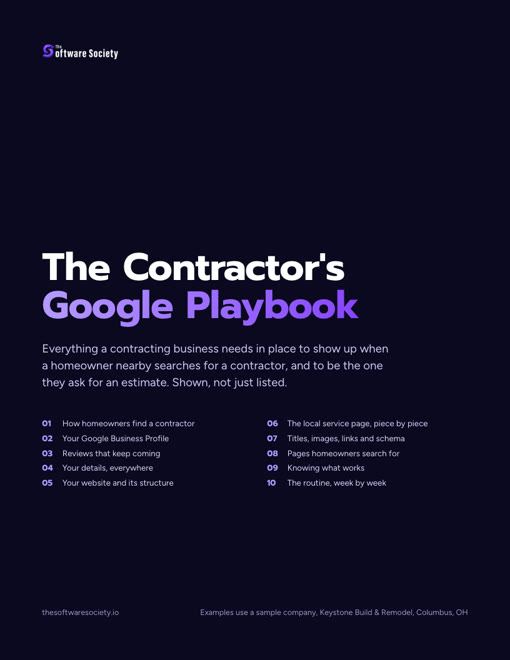
Every part of showing up on Google for a contracting business, shown page by page: your profile, reviews, listings, website and the pages homeowners search for.
Send me the full checklist
On its way. You can also open it now.
We will email you the checklist and the occasional tip. Unsubscribe anytime. PDF
Reviewed November 2026.
The goal is ringing phones and full schedules. Empty clicks do not pay your crew.
Roofers, HVAC teams, painters, and remodelers use home service marketing to stay busy.
Each step below follows a call from search to job site.
You will see how sites, maps, reviews, ads, and call logs connect.
First comes the base: a fast site and a clean Google listing. Then come service pages, town pages, and steady reviews.
Paid ads come after that, once the base turns visits into calls. Tracking runs through every step.
Each section ends with one clear action. Pick the weakest spot in your own contractor marketing and start there.
Owners who fix weak spots turn local searches into steady work.
Smart digital marketing for contractors swaps guesswork for clear call data.
Contractor marketing is a system for earning local service calls.
Homeowners need a roofer or an HVAC tech fast when trouble hits.
Good marketing for contractors puts your number in front of them right away.
It is not a directory for homeowners looking for a crew.
Every step here aims at booked work on your calendar.
Likes and raw visits mean nothing if the phone stays quiet.
Referrals are hard to scale when your schedule slows down.
Word of mouth brings great leads, yet even referred buyers still check Google.
A neighbor shares your contractor name at dinner.
The homeowner then types that name on a phone to check reviews before calling.
Google Business Profile Help says full business details build trust with local searchers. Referrals and search marketing work together to keep crews busy all year.
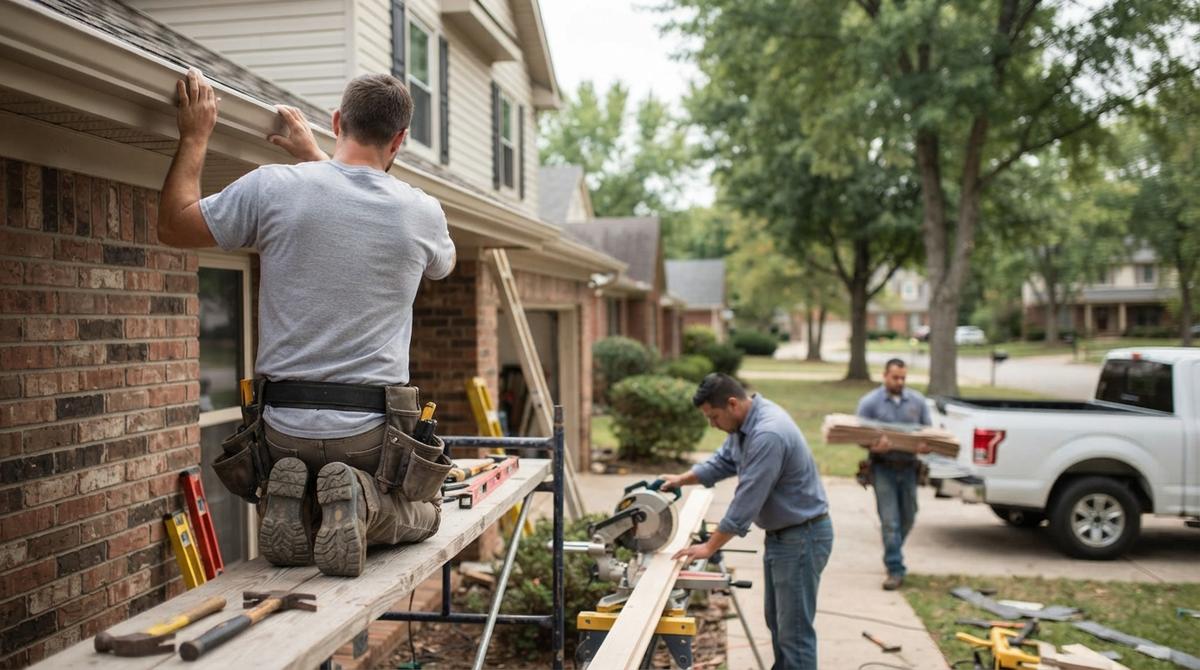
Most home service searches start on a phone inside Google. A homeowner types a trade and a town.
They scan the screen in a few seconds.
Paid ads, the map box, and website links fill the first screen.
Callers rarely scroll past the first few options.
Contractor marketing helps you show up clearly at the exact moment of need. Speed wins here.
Emergency searches demand fast phone numbers and clear service areas.
A homeowner with a roof leak or no heat wants help now.
Put a working call button at the top of your contractor site.
State only the response times your crew can truly meet.
Planned jobs like new roofs or kitchen remodels move slower.
Buyers compare several contractors, read service pages, and study real job photos.
Good marketing serves urgent callers and slow planners equally well.
Your homepage, rebuilt free. You see it before you pay anything.
Past SEO campaigns grew organic traffic 26x in 14 months.
New website plus 100 SEO pages in the first month: $397 a month, cancel anytime
The Map Pack is a box of 3 local listings.
It sits above regular search results on most screens.
Missing those 3 spots costs a contracting business real calls.
Map position shifts based on where the searcher stands.
No honest marketing team can guarantee a permanent spot in those 3 slots.
You earn Map Pack placement through steady updates, real reviews, and accurate pages.
A top 3 spot puts your number above almost every rival.

Contractor digital marketing relies on 7 connected parts working together.
A single weak link wastes money spent on the other 6 parts. Every marketing part supports the next from first search to booked job.
For a channel-by-channel look at paid options, see our guide to contractor advertising.
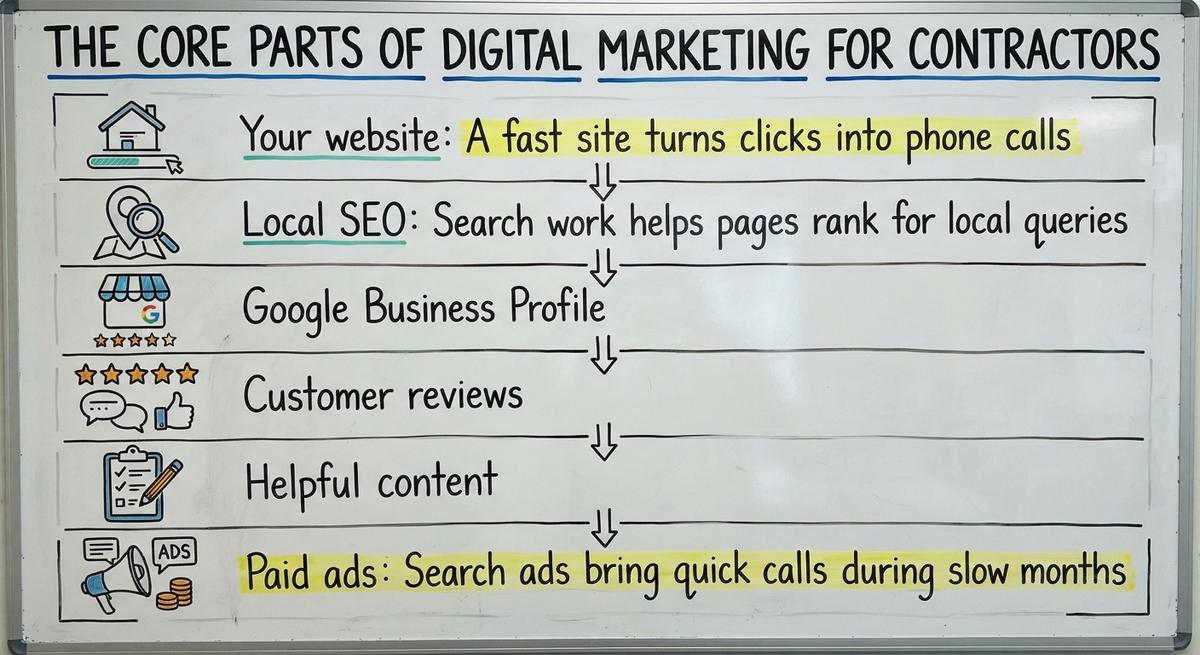

Your website is the hub where every ad and map click lands.
Sending paid traffic to a slow contractor site burns your budget fast.
Think of your site as a top salesperson who never leaves the office.
Owners need a site they can edit fast, without waiting weeks on support.
A fast, clear contractor website turns casual visitors into paying customers.
Strong contractor marketing starts with a site built to convert local traffic.
Our contractor website design guide covers layout in detail.
Your homepage must name your trade, towns, and phone number at once.
Put one clear call button on the first screen.
Back it up with real photos of your own crews.
Never claim licenses, years in business, or awards unless they are true.
Build one dedicated page for each core service you offer.
Cramming every service onto one page hides details buyers want to read.
Create separate town pages only for places your trucks actually drive.
Add real local details on every town page.
A central Ohio roofer built custom pages for its 17 towns.
Copying one page and swapping city names breaks Google's rules.
Google's spam policies call this "doorway abuse" and treat it as spam.
Good marketing uses unique local pages to serve homeowners honestly.
A free map check for your company. See which towns find you and which call a competitor.
Most homeowners search for local contractors on small phone screens.
Slow pages send callers straight back to Google to pick another company.
Huge uncompressed photos and cluttered layouts cause most sluggish mobile sites.
Keep a tap-to-call button pinned on mobile screens. Show your number as selectable text, not a flat image.
Keep quote forms short: name, phone, and job details.
Test your forms weekly so no marketing lead gets lost.

Local SEO is a steady method for ranking nearby.
Good local SEO for contractors improves where you appear in maps and search.
Ongoing SEO for contractors takes months of steady work, not one afternoon.
No ethical provider can promise a number one ranking on Google.
Steady updates to your site and profile build lasting visibility.
Patient contractor marketing pays off with free organic calls month after month.
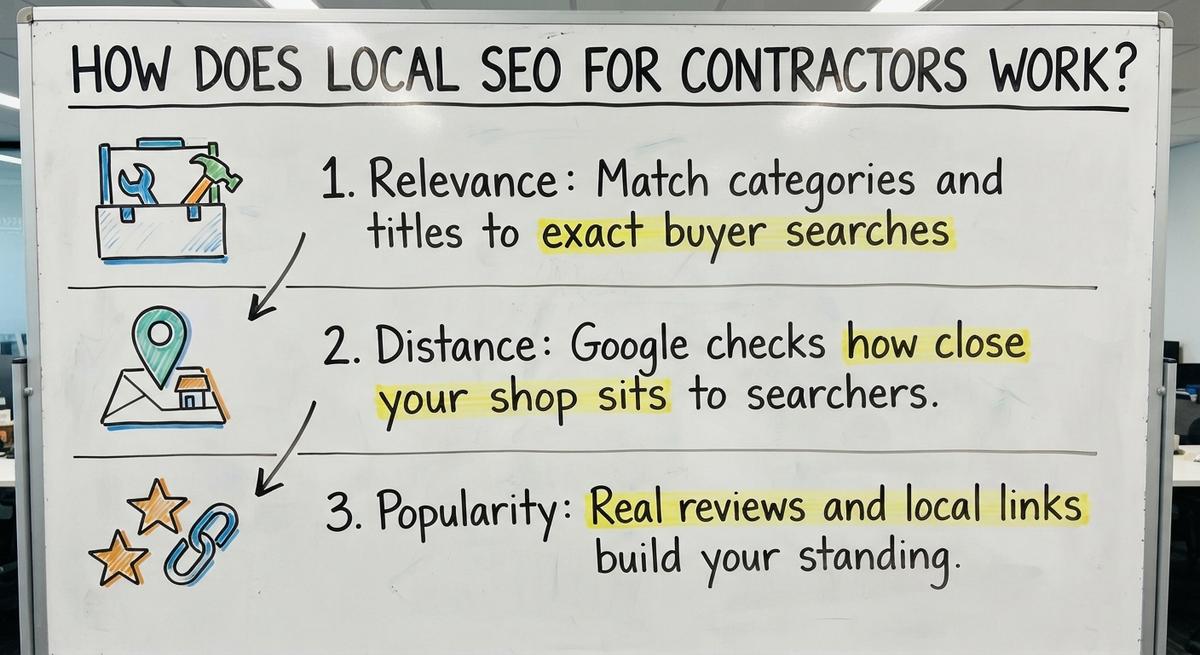
Google uses 3 clear signals to rank local contractors.
"Local results are mainly based on relevance, distance, and popularity," says Google Business Profile Help.
You cannot move your shop closer to every caller. Never fake an address to game distance rules.
Focus your marketing on relevance and popularity through honest pages and reviews.

A Google Business Profile is a free map listing for local firms.
Homeowners often see your contractor profile before your website. Fill out every field honestly and completely.
Match your company name, street address, and number to your site.
Log in every week to check for public edits you did not approve.
A clean listing protects calls from map searches. Active profile care is a core part of contractor marketing.
Roofers can follow our Business Profile guide for roofers step by step.
Choose 1 primary category that matches your main trade.
Add secondary categories only for services your crews perform every week.
Write short, clear descriptions for each service inside your profile.
Skip stock images. Upload real photos of finished roofs and lettered trucks.
List only the towns your team serves. Claiming an entire state does not make your marketing reach farther.
Keep your map service area matched to your town pages.

Customer reviews decide who gets the call when two contractors look equal.
Homeowners read feedback closely before letting a stranger into their home.
"97% of consumers still lean on reviews to guide their purchase decisions," reports BrightLocal's Local Consumer Review Survey.
Count and freshness both shape trust in your marketing.
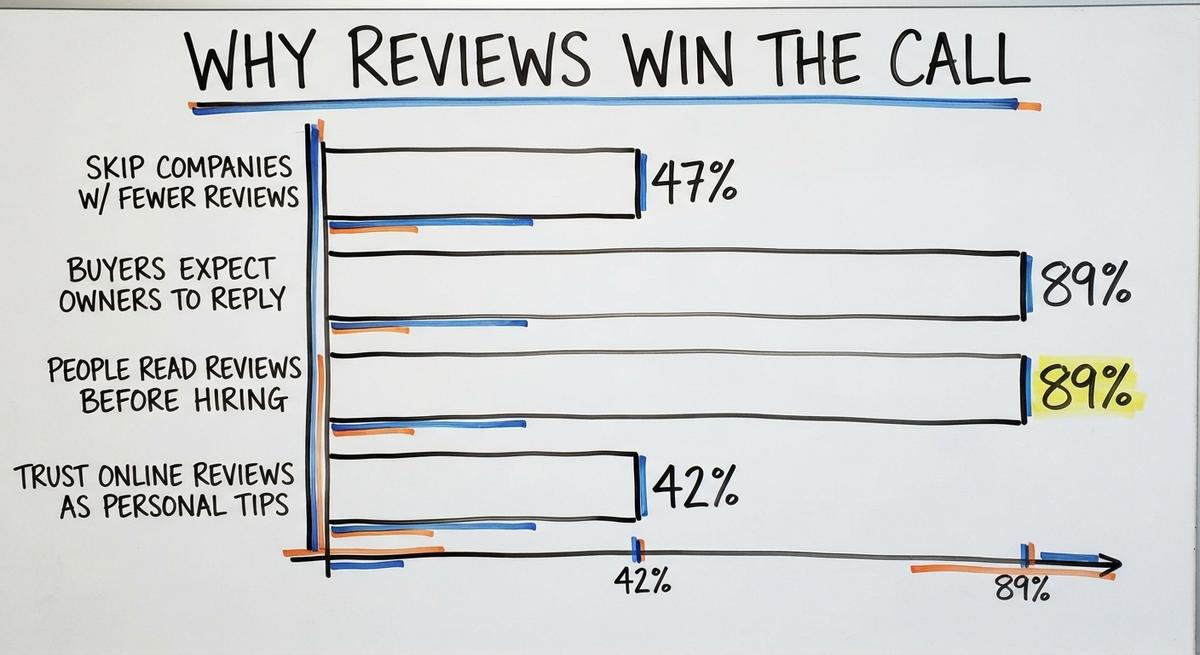
BrightLocal also shows 47% of consumers skip companies with fewer than 20 reviews.
The same survey notes 89% of buyers expect owners to reply.
Other roundups agree. Luisa Zhou reports that 89% of people read reviews before picking a service provider.
Her data also shows 42% trust online reviews as much as personal recommendations.
Past SEO campaigns grew organic traffic 26x in 14 months, and 15x on another. Top Rated Plus on Upwork with 99% job success.
Work for hundreds of small businesses and large clients like New Balance. Before The Software Society, our founders’ agency worked with Planned Parenthood.
Ask happy customers for a review by text right after each job.
Send a direct link to your review box.
Follow Google's review policy on every request.
The policy says reviews "must reflect a genuine experience" and bans paid ratings.
Never offer gift cards, discounts, or cash for feedback. Thank happy customers by name.
Answer bad reviews calmly, then take the fix offline.
Our guide on how to get more Google reviews lists more honest tactics.
Consistent listings prove to search engines that your contractor business is real.
Your exact name, address, and phone number must match across all major sites.
Check your website, your Google listing, Bing, Yelp, and Facebook.
Old shop addresses or dead tracking numbers hurt local marketing trust.
Fix mistakes on major platforms and trusted trade directories first.
Clean, matching contractor listings beat paying for hundreds of low-quality directory submissions.
Helpful contractor pages answer buyer questions before they pick up the phone.
"People-first content means content that's created primarily for people," says Google Search Central.
Write short sentences on repair costs, estimate steps, and warning signs.
Never quote flat prices online unless you honor them on every job.
Build project pages with real photos. Show the town, the problem, and the outcome.
Ask the homeowner for permission first. Then link each project to the matching service page.
A clear, local voice helps too.
True North Forming, a concrete forming contractor, greets visitors who "need a concrete forming contractor nearby" in plain words.
Roofers can see this in our guide to digital marketing for roofers, and painters in paint contractor marketing.
Clear answers and real photos turn undecided readers into confident callers.
Paid ads bring phone calls faster than organic search.
Search ads show up for urgent terms like "AC repair near me." Calls stop as soon as you pause your ad spend.
Local Services Ads charge per lead, not per click.
Google Local Services Ads Help says advertisers "Pay only for leads related to your business" under this model.
Check current rules before counting on either ad format.
Use paid ads to fill slow months or to enter a new town.
Send each ad click to a dedicated contractor service page, not your homepage.
The page should match the exact repair in the ad.
Our guide to Google Ads for contractors walks through setup.
Keep email and social media simple. Send seasonal tune-up or inspection reminders to past customers.
Post finished job photos with the town name.
Paid ads and simple reminders keep your phone ringing during organic growth.
See our Facebook ads for contractors guide for social spend.
Each trade sells a different kind of job. The marketing should match it.
Roof work spikes after wind and hail. Storm pages and fast call buttons matter most.
Insurance questions come up on almost every call. Answer them on your roof replacement page.
See our guide to roofing contractor leads for storm season.
HVAC demand swings with the weather. Summer brings AC calls, and winter brings furnace calls.
Tune-up reminders fill the slow weeks in between. Our HVAC contractor marketing guide covers seasonal plans.
Painting and remodel jobs are planned weeks ahead. Buyers want photos, colors, and clear scope.
Project galleries do the heavy lifting here.
Show 3 to 5 finished jobs per town if you have them.
Electricians field outage calls and planned upgrades, like panels and EV chargers. Give each one its own page.
Concrete crews sell driveways, patios, and slabs. Photos of finished pours sell the next job.
See SEO for concrete contractors and our electrical contractor website guide.
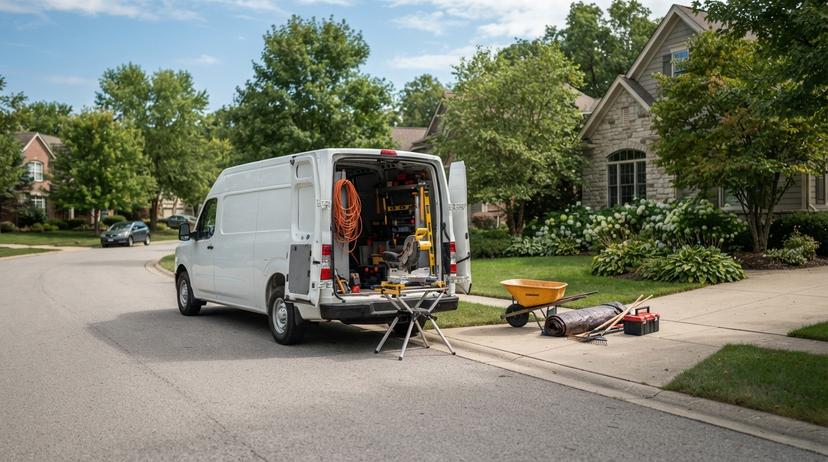
Homeowners now ask ChatGPT, Gemini, and Perplexity to recommend local trades.
No agency can promise that your contracting business will appear in AI answers.
Clear service pages and strong reviews help automated systems understand your work.
Consistent directory details also help AI tools confirm where your trucks drive.
Ask your marketing team to track AI tool visits as a separate channel. Tracking AI referrals early prepares your business as search habits shift.
Already paying for marketing? Get a free second opinion on what works and what wastes money.
Call tracking is a tool that logs call sources. Raw website clicks tell you nothing about booked revenue.
Good contractor marketing measures real phone leads and web forms monthly.
Review your numbers once a month. Change only 1 variable at a time so you know what worked.
Tracking booked contractor jobs shows the marketing dollars that pay for themselves.
A grid scan is a map check for rank across your service area.
A monthly scan across central Ohio shows where a contractor listing drops off.
Every monthly report should separate search, map, paid ads, AI, and spam.
Use unique tracking numbers and form tags for every channel.
Ask callers how they found you as a simple backup check.
Review call recordings and form entries to filter out bots.
Filtering sales calls keeps your marketing lead counts honest.
Our page on contractor leads covers lead quality in more depth.
Smart budgets start with crew capacity and average profit per job.
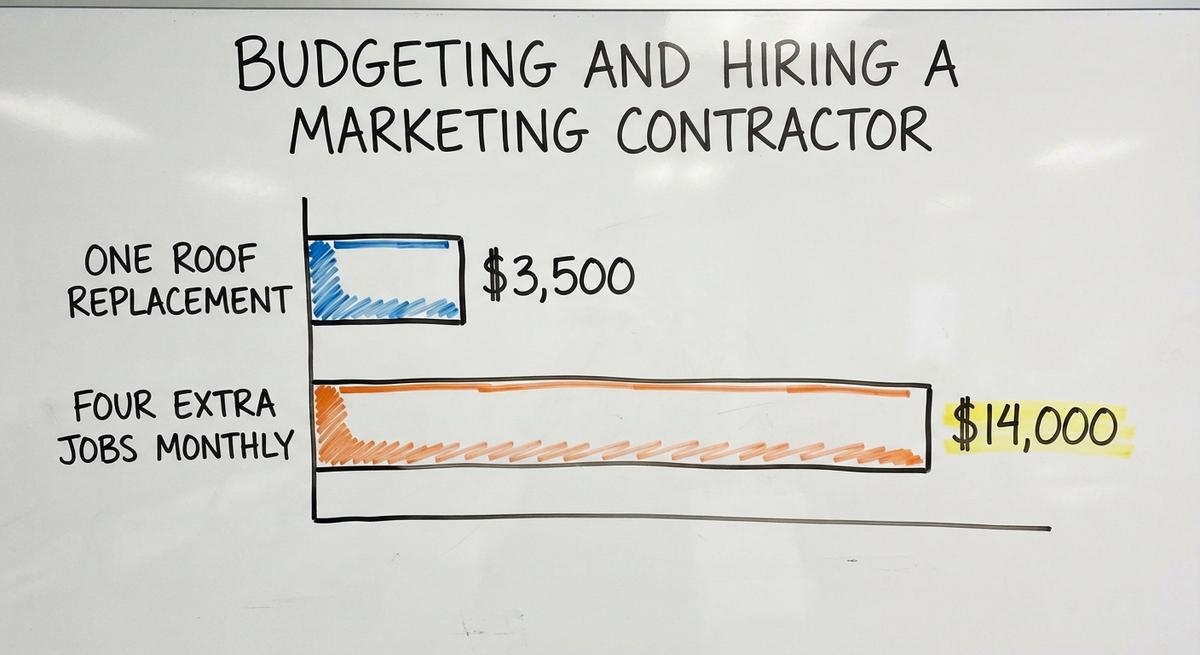
Suppose 1 roof replacement nets $3,500 in gross profit.
Four extra jobs equal $14,000 in gross profit each month.
That math gives you a clear ceiling for safe ad and SEO spend.
Split your budget across a solid site, steady SEO, and optional ads.
| Budget Layer | Main Purpose |
|---|---|
| Base setup | Website, profile, and call tracking. |
| Monthly growth | Service pages, town pages, and reviews. |
| Fast volume | Search ads and Local Services Ads. |
Demand plain talk from any contractor marketing agency you interview.
Ask how its starting plans fit a smaller shop.
Build your contractor marketing budget around real job math, not guesses.
Ask direct questions and watch for warning signs before you sign.
Clear ownership and honest contractor reports protect your business from wasted spend.
Most trades have busy months and slow months. A contractor marketing calendar plans for both.
Plan each season about 6 weeks ahead. Pages and reviews take time to show results.
Past customers are the cheapest source of new work. Ask each happy homeowner for a referral at the final walk-through.
A simple thank-you note works well. Some contractors also send a small gift after a referred job closes.
Track every referral in the same log as your other leads. Then you can see how much work word of mouth really brings.

Putting every service on 1 page hides your business from searchers.
Missing calls from unknown numbers sinks good campaigns. So does ignoring bad reviews.
Judging success by raw traffic hurts growth. Quitting after 3 weeks hurts it more.
Follow this 90-day contractor marketing plan to build steady momentum.
Pick 1 weak link from your site, profile, or tracking today and fix it.
For more ideas once the base works, browse our contractor marketing ideas and contractor marketing tips.
Owners ask these quick contractor marketing questions on almost every call.
Yes, at first. A small contractor can claim a listing, text review links, and post job photos in one hour a week.
Track calls by source. Then track booked jobs. Those two marketing numbers decide where the next dollar goes.
Add a few real job photos every week. Fresh contractor photos keep your listing and pages active.
Contractor marketing is how roofing, HVAC, painting, and remodeling companies get found online and turn local searches into booked jobs. It combines a fast website, local SEO, Google Business Profile updates, customer reviews, paid ads, and call tracking.
The best contractor marketing pairs a clear, mobile-friendly website with an active Google listing and steady review requests. Once that base turns visitors into calls, add service pages, town pages, and targeted ads to grow your schedule.
Contractors earn more Google calls by matching service pages to buyer searches, completing every profile field, and collecting genuine customer reviews. A phone number that is easy to tap on mobile turns those views into calls.
Yes. One page per core service and one page per town helps Google match a contractor site to specific local searches. Each town page needs real local details, not copied text with a swapped city name.
Paid ads are worth it for a contractor during slow seasons, new service launches, or a move into new towns. They work best when each click lands on a focused service page with call tracking, so you can check your return.
Use unique call tracking numbers and tagged web forms for your website, Google listing, paid ads, and AI referrals. Monthly marketing reports with spam filtered out show the channels that produce real booked jobs.
Ask a marketing contractor who does the work, if you own your website and ad accounts, how fast edits go live, and how calls are tracked by source. Clear answers prevent locked contracts and vague traffic-only reports.
Paid ads can bring a contractor calls within days of launch. Local SEO and map growth take several months of steady page building and review collection. Consistent tracking lets you spot early gains within 90 days.
Book a short call. Your new homepage is free to see and yours to keep.
New website plus 100 SEO pages in the first month: $397 a month, cancel anytime
Ready when you are
Book a short call. We rebuild your homepage first, and you decide after you have seen it.