


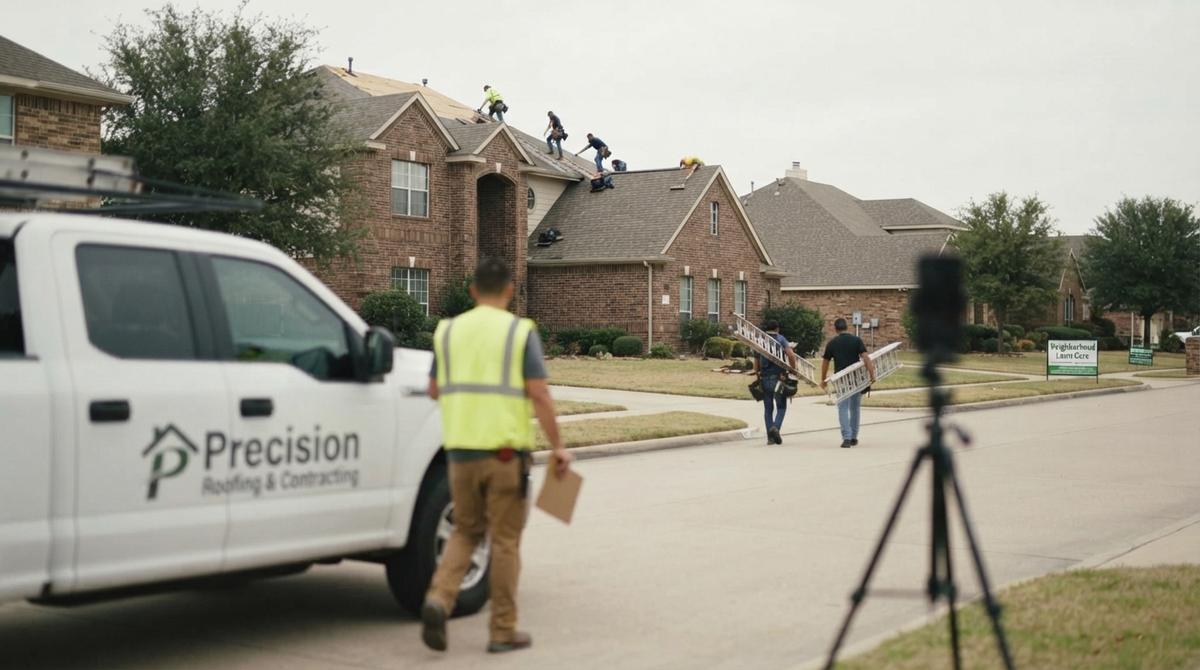
Facebook Ads for Contractors
Facebook ads for contractors are paid posts that show local offers to homeowners.
These ads reach people as they scroll, not as they search. They fit planned jobs like roofs, siding and remodels.
Below: what jobs to run, how to target towns, and how to track booked work. You will also see where Google takes over.
Book a callDo Facebook Ads for Contractors Work?
Yes, for planned home projects. They work less well for sudden repairs. As of April 2026, contractors see the best return when Facebook runs next to Google search and Google Maps.
Facebook puts your offer in a homeowner's feed. That person is not typing a search at that moment. They are looking at photos from friends.
Search catches active buyers. Facebook builds interest with people who will need a roof or a new system soon. The two jobs are different, and both matter.
No ad platform can promise leads or booked jobs. Good targeting and an honest offer give your budget a fair test. That is the real goal of a first campaign.
See your new homepage before you pay anything
Your homepage, rebuilt free. You see it before you pay anything.
Past SEO campaigns grew organic traffic 26x in 14 months.
New website plus 100 SEO pages in the first month: $397 a month, cancel anytime
Book a callHow Facebook Ads for Contractors Differ From Google Search
Google search is an intent channel. It catches buyers with a need right now. Facebook is an interruption channel. It reaches people as they browse photos and updates.
A homeowner with a storm leak in the roof opens Google and calls fast. That same homeowner skips a contractor's social ad until a bigger project comes up.
The two channels help each other when set up right. Google says local results rest on "relevance, distance, and popularity".
Many people who see your Facebook ad search your company name on Google next. Run both channels, and you catch that second step.
Skip one, and a rival catches it instead. Read more on paid search in our guide to Google Ads for contractors.
What Contractor Jobs Fit Facebook Ads Best?
Planned replacements and seasonal checkups are the best fit. Homeowners take weeks to decide on big projects.
Few people replace a roof on impulse. Seeing your crew's work in their feed keeps your name in mind. When the time comes, they already know who to call.
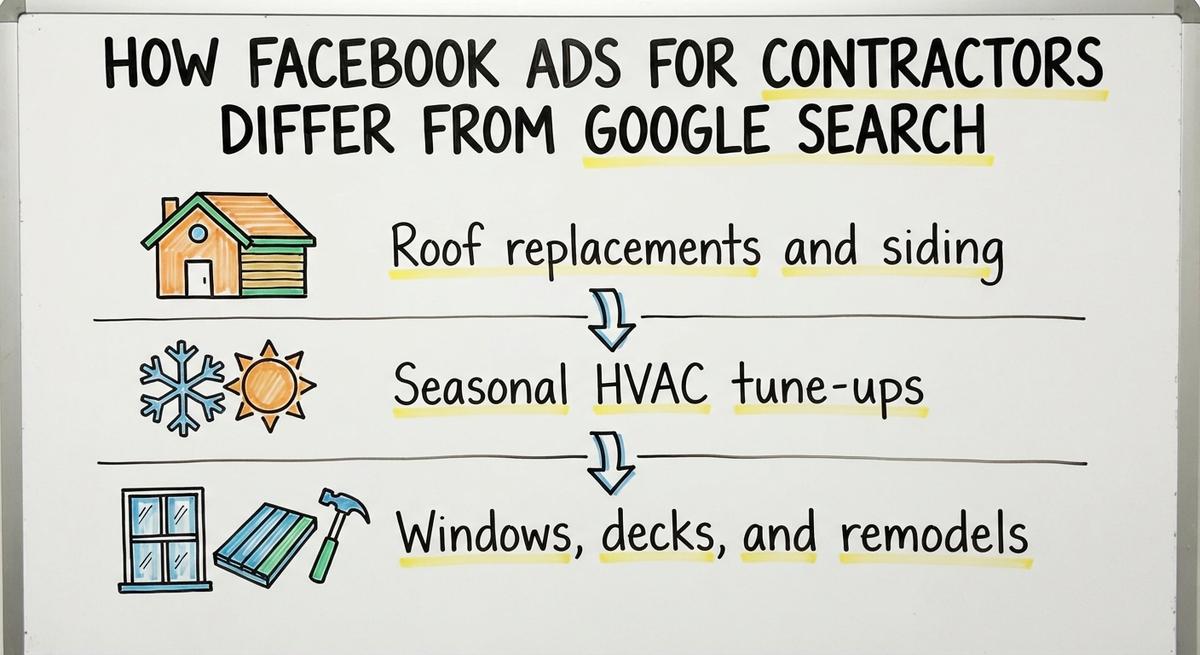
These planned services do well on social feeds.
- Roof replacements and siding: Facebook ads for roofers work well with storm checks or full tear-offs.
- Seasonal HVAC tune-ups: Social ads fill slow spring and fall weeks with low-cost checkups.
- Windows, decks and remodels: Big exterior jobs give homeowners time to compare local contractors.
- Painting and concrete: A fresh coat or a new driveway is a planned spend, not an emergency. See paint contractor marketing for trade detail.
Match your ad to the buyer's timeline. It stops wasted clicks on jobs nobody buys from a feed. For more ideas by trade, see these contractor marketing ideas.
Jobs Better Left to Google Search and Maps
Emergency repairs are Google jobs. Buyers there need help within the hour. Urgent calls start in a search bar, not a social feed.
Facebook ads rarely pay off for a roof leak in a storm. No heat in winter and no cooling in summer follow the same rule. Neither does a tripped panel with the lights out.
Buyers in a rush tap the first strong Map Pack listing they see. With Google's Local Services Ads, contractors "Pay only for leads related to your business".
Contractors use Google Ads for roofing companies and other urgent trades to catch those buyers. Save your Facebook budget for planned work. Roofers can compare channels in how to get roofing leads.
Setting Up Your Campaign and Local Service Area Targeting
Keep your first test simple. Use 1 campaign, 1 audience and 1 clear goal. A simple setup shows what works without noise.
Every campaign needs one goal inside Ads Manager. Pick leads, calls or messages as the goal. Do not pick clicks or page likes.
Likes look nice on a report. They do not pay crew wages. Facebook sends your ad to the type of user you ask for.
Ask for clicks, and Facebook finds people who tap links and leave. Ask for leads, and it looks for people who fill out forms. The goal you pick shapes who sees the ad.
How Do You Set Your Service Area?
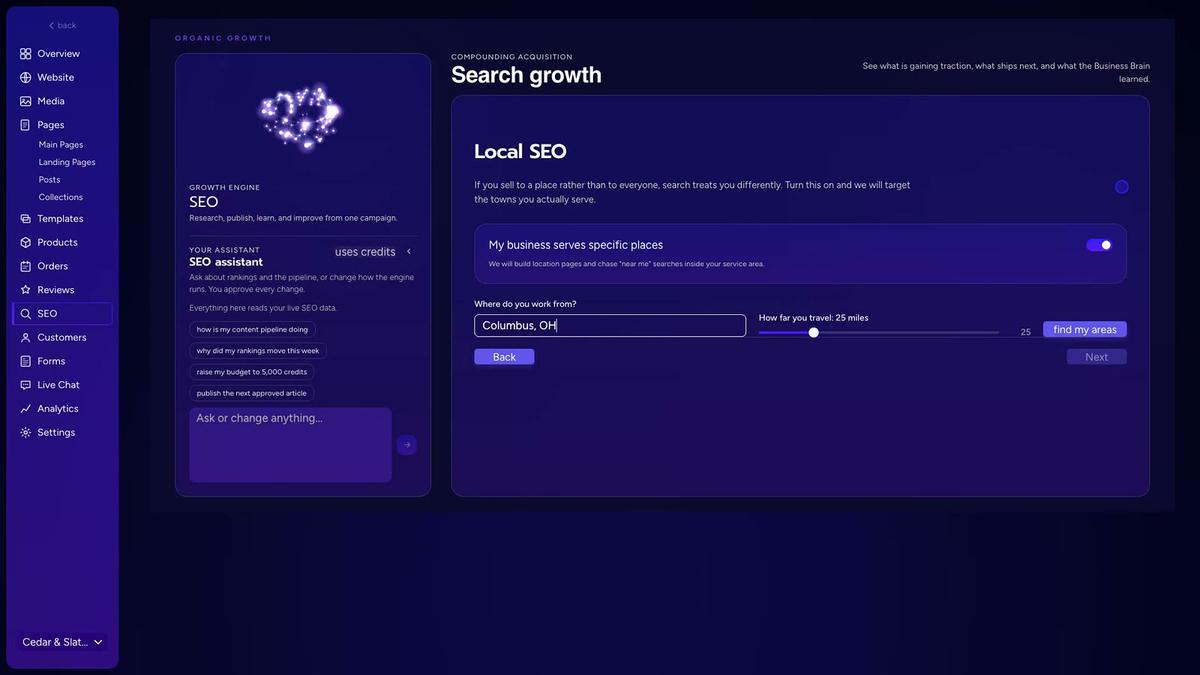
Use a tight map setting. Local service area targeting is a filter. It limits your ads to the towns you serve. Keep the radius tight so crews do not waste hours driving.
Driving 25 miles each way for 2 estimates adds 100 miles of fuel and labor. Drop a pin on your shop, or enter towns and ZIP codes.
Exclude nearby cities and counties outside your work zone. Distance is one of the three local ranking factors on Google too. Facebook also limits some homeowner and income targeting for housing-related ads. Check those rules before you build the audience.
Name your service area in the ad text. Renters then skip your roof forms. Tight targeting protects both your ad spend and your fuel budget.
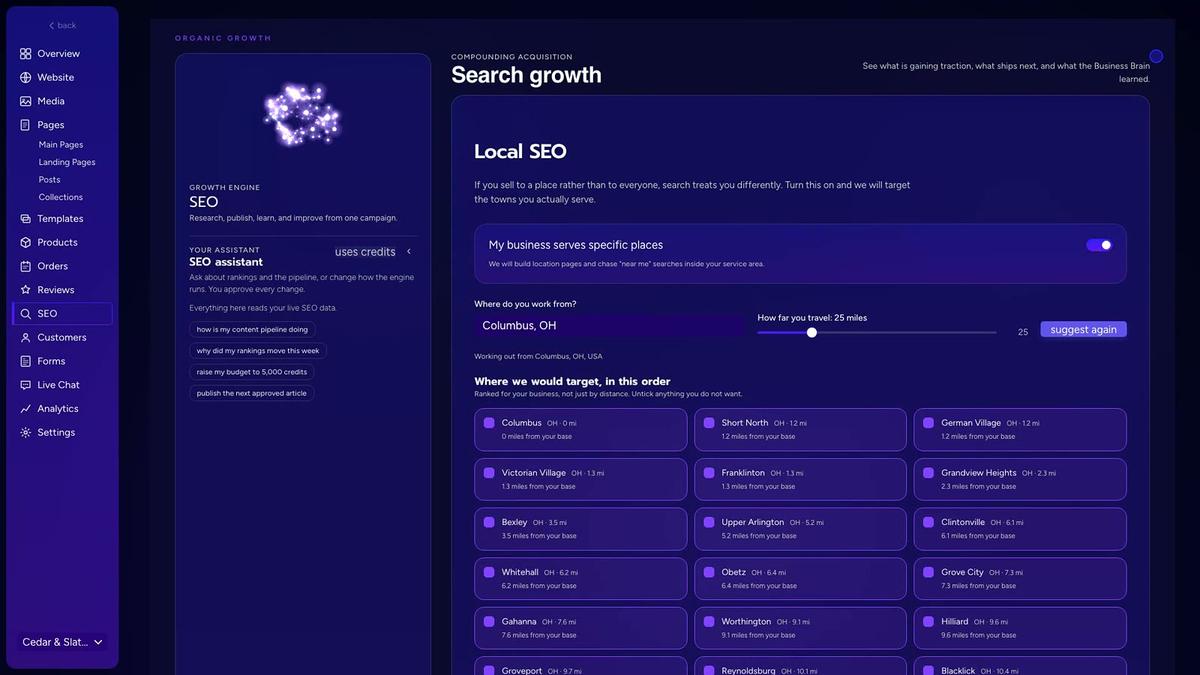
Find out where you show up on the map
A free map check for your company. See which towns find you and which call a competitor.
Book a call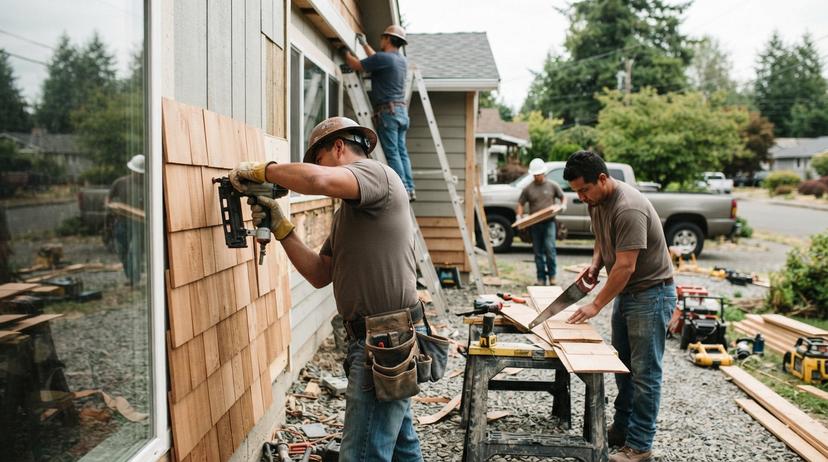
Ad Offers and Creative for Facebook Ads for Contractors
The offer makes people stop scrolling. Stick to 1 clear offer per ad. A free roof check or a seasonal tune-up works well for contractors.
Name the job and the town in your headline. Ads for "all home repairs" get ignored. Specific beats broad on Facebook every time.
Never make claims you cannot prove on the spot. Google asks for content made for people, and Facebook buyers want the same. Leave out unverified ratings, fake awards, license claims and promised arrival times.
A plain offer like "free siding quote for Springfield homeowners" beats a clever slogan. Clear offers bring better leads and fewer wasted calls.
Our guide to contractor advertising covers offers across other channels too.
Real Photos, Video and Customer Reviews
Short videos work well on Facebook. Keep them under 30 seconds. Show a finished roof or a clean job site. Name the town in the first line of text.
Real photos from your own job sites beat stock pictures. Homeowners trust real crews next to real trucks and finished work. Contractors who show their own work stand out in a crowded feed.
Reviews matter here too. BrightLocal found that "97% of consumers still lean on reviews" to guide what they buy. Quote a customer review in an ad only with written permission.
Keep it honest. Google's policy says reviews "must reflect a genuine experience". Real before-and-after photos and real words from neighbors turn scrollers into callers.
Learn how to earn more of them in how to get more Google reviews.
Should Contractors Use Lead Forms or a Landing Page?
Your office decides this one. Facebook lead ads are built-in forms. They fill in a homeowner's name and phone number inside the app.
A landing page is a single web page. It is built to turn ad clicks into calls or quote requests.
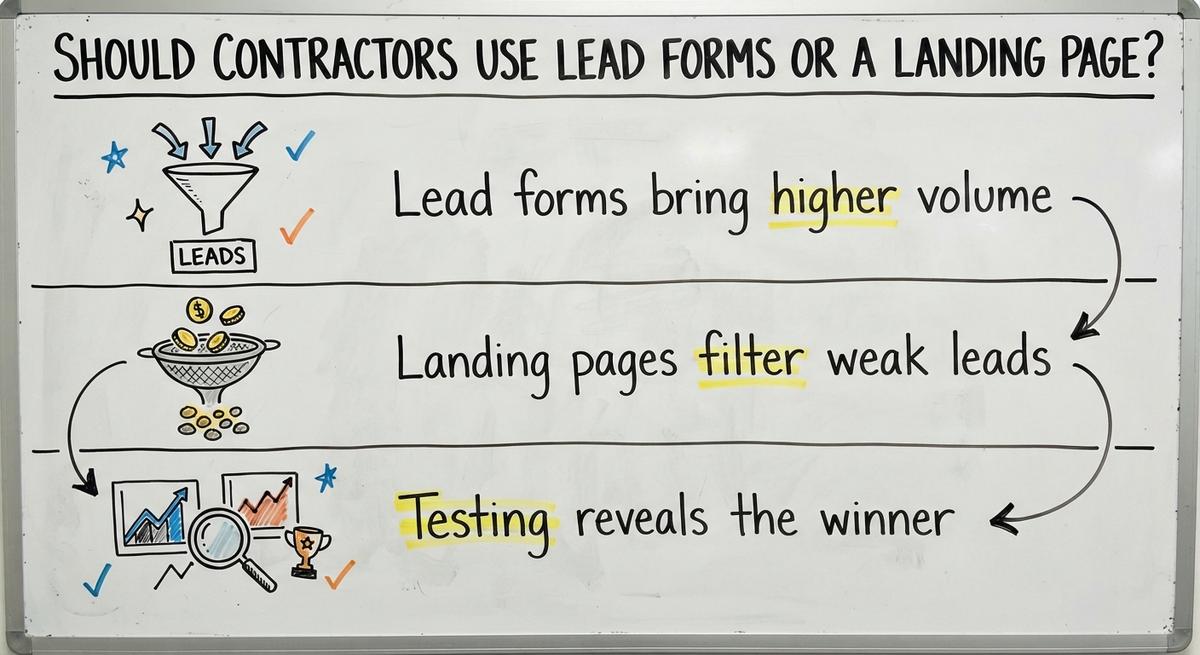
A landing page filters for serious buyers. Lead forms collect more names at lower quality. Choose based on how fast your office can call leads back.
Compare both options before you launch.
- Lead forms bring more volume: Homeowners tap twice and submit. Counts go up, and so do accidental leads.
- Landing pages filter weak leads: Typing details on a separate page takes effort. Only interested homeowners finish.
- A test shows the winner: Send 1 ad set to a form and 1 to your site. See what books more jobs.
Pick the path that produces booked work. The cheapest raw lead count is not the goal. For a page built for this job, see this roofing landing page guide.
What Your Landing Page and Website Need
Start with a tap-to-call number. Put it at the top of the screen for phone users. Keep the quote form short, with 3 or 4 fields.
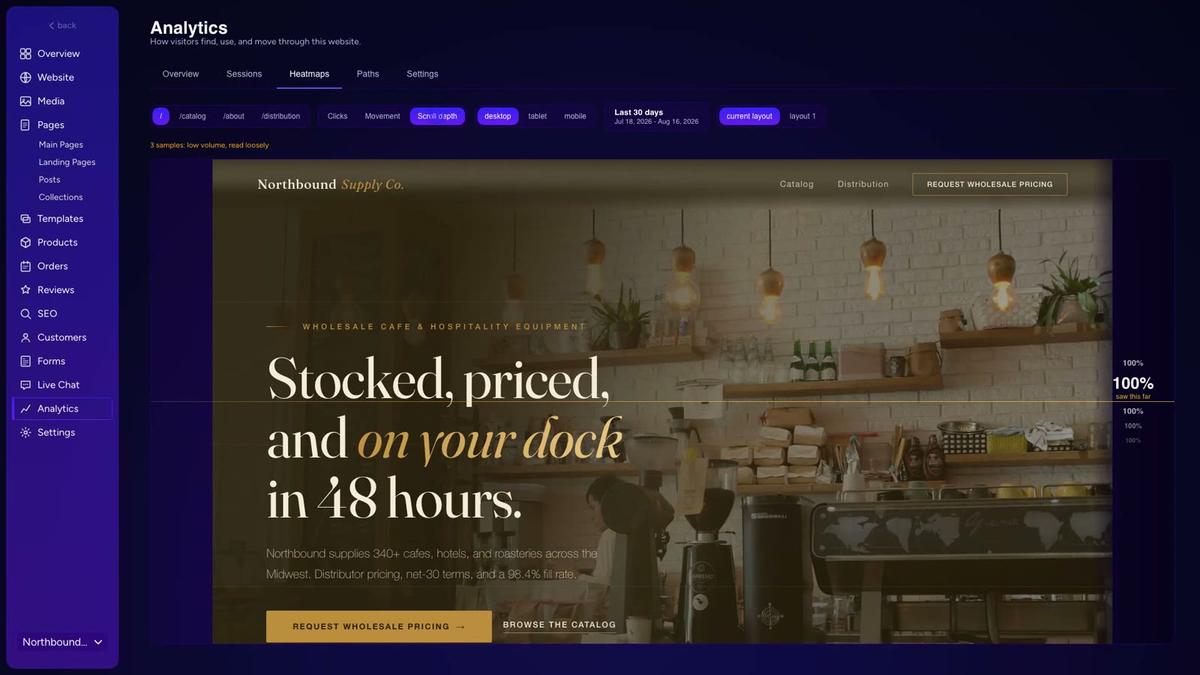
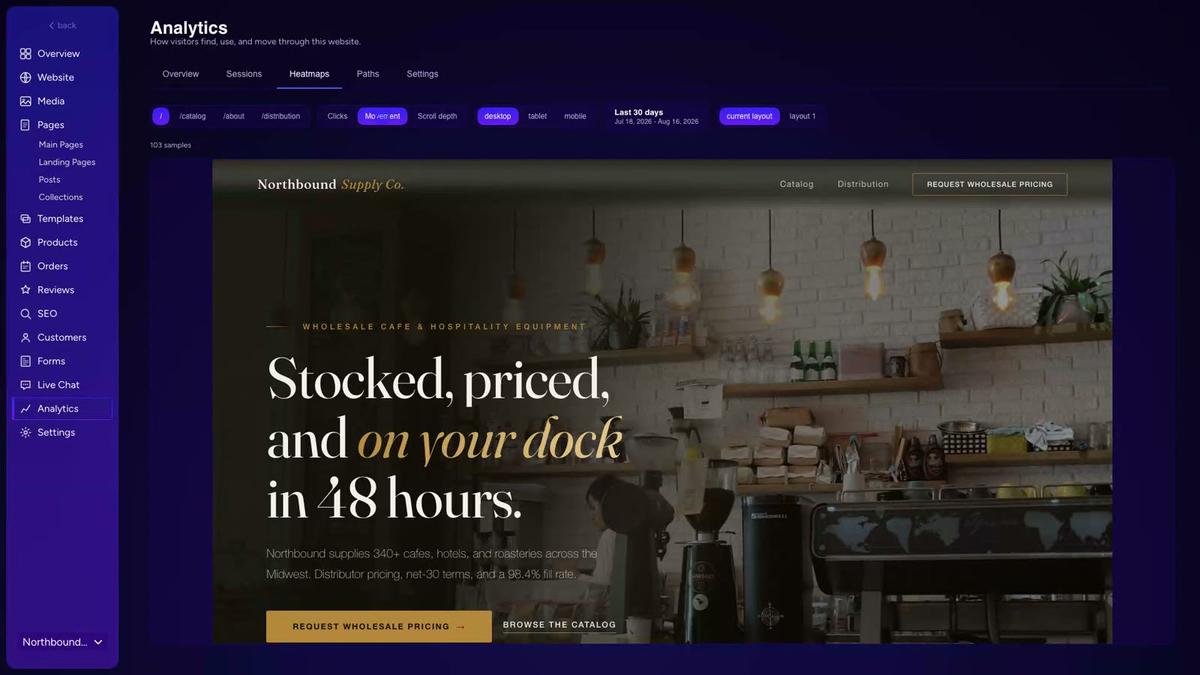
Your landing page must match the headline and offer from your Facebook ad. A weak homepage wastes ad spend. Visitors get lost looking for a phone number and leave.
Show real job photos. List the towns you serve. Test page speed on a phone. Google's advice fits ad pages too: write "primarily for people".
People who see your ad and search your name land on your homepage first. Clear town and service details help both groups call.
A good contractor website design does this work for every channel.
Results you can check
Past SEO campaigns grew organic traffic 26x in 14 months, and 15x on another. Top Rated Plus on Upwork with 99% job success.
Work for hundreds of small businesses and large clients like New Balance. Before The Software Society, our founders’ agency worked with Planned Parenthood.
Book a call
Budgets and Tracking for Facebook Ads for Contractors
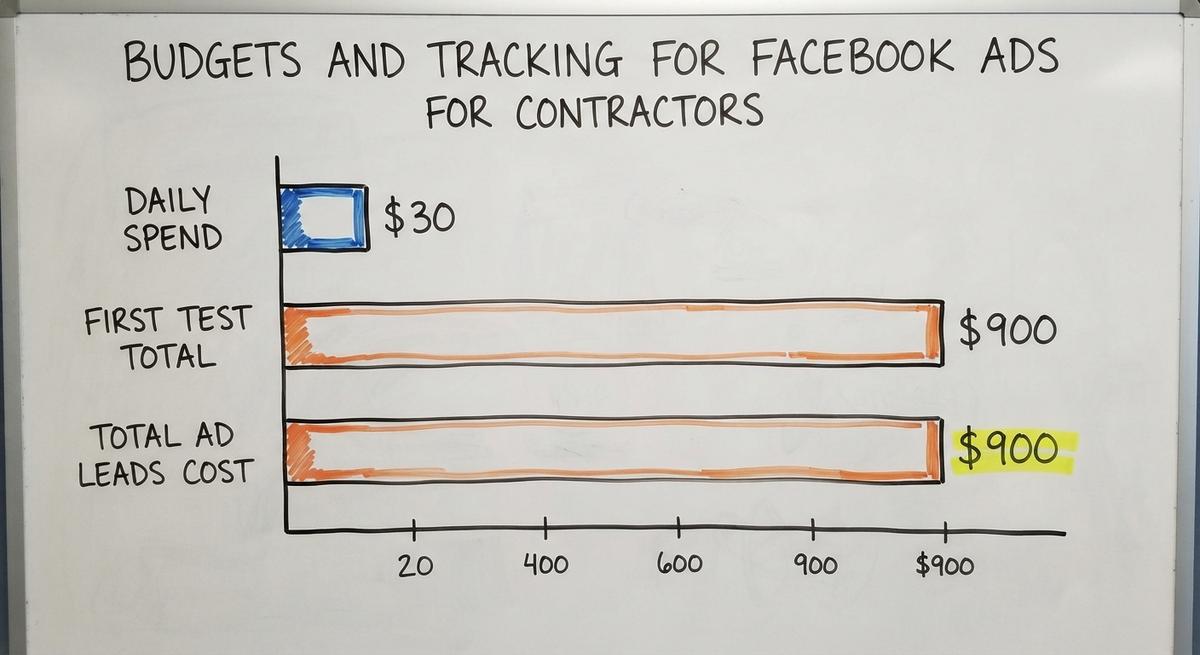
Start small. Pick a test budget you can afford to lose. $30 a day for 30 days equals $900 for a clean first test.
Your daily spend depends on your job size and open crew days. A roofing company needs fewer booked jobs to break even than a gutter cleaner.
Do not expect fixed lead counts or fixed returns on day 1. Compare it with Local Services Ads, where you pay per lead. Facebook needs 7 to 14 days of steady delivery to learn who responds.
How Long Should a First Test Run?
Give it at least 2 weeks. Do not change the offer or audience before then. Patient budgets give contractors real numbers, not guesses.
Measure Calls, Forms and Booked Jobs
Give each channel its own number. That is what call tracking for contractors does. Judge every Facebook campaign by booked jobs, not cost per click.
Say 15 ad leads cost $900 and 3 become booked jobs. Each booked job then costs $300.
Keep calls and forms split by source: search, map, ads and AI tools. Use a tracking number and a separate form on your ad page. That setup keeps map callers from giving false credit to your ads.
Ask every caller how they heard about you. Log the answers in 1 monthly sheet. Clean source tracking shows what pays the bills. Compare paid leads against free leads for contractors too.
More on this in our guide to contractor lead generation.
Why Do Facebook Leads Need Fast Follow-Up?
Facebook leads cool off fast. Social users are cooler buyers than people searching Google for help.
Someone scrolling at lunch forgets your form 2 hours later. Call or text new leads promptly. Reach them with the offer still fresh.
Give 1 person in your office every incoming ad lead. That person owns the callback. Do not promise a set callback time in your ad or on your website.
You can also run retargeting ads to people who visited your site without calling. Gentle reminders work for big jobs like roofs. They need steady monthly site traffic first.
See how this fits with other contractor leads sources, and what makes exclusive contractor leads different from shared ones.
Get a second opinion on your current setup
Already paying for marketing? Get a free second opinion on what works and what wastes money.
Book a callCommon Mistakes and Facebook Ad Rules to Watch
Most losses are setup mistakes. Boosting posts wastes budget. A boosted post aims for likes, not booked estimates.
Contractors should avoid these 5 common mistakes.
- Boosting posts from your page: The boost button lacks full lead tracking. It finds people who just tap hearts.
- Targeting too wide an area: Leads 40 miles away burn crew drive time and fuel.
- Sending traffic to your homepage: Visitors leave when they cannot find the offer they clicked.
- Quitting after 3 days: Stopping early cuts off the learning phase.
- Skipping call tracking: Guessing what made the phone ring leads to cutting good ads.
Facebook Ad Rules for Home Service Ads
Read the rules before you publish. Facebook's ad rules are not fixed. Special rules apply to housing-related services.
Honest, plain ad text keeps your account safe. Skip before-and-after claims you cannot show. Skip promised prices you will not honor.
How Facebook Ads for Contractors Fit With Local SEO
Ads and SEO are tools for different problems. Ads bring quick reach. Local SEO for contractors builds steady calls over months.
Every town page needs real local details. Copied text with swapped city names does not count. Google's spam policies name it "Doorway abuse".
Strong service and town pages support both channels at once. The page that catches a Facebook click also helps SEO for contractors over time.
No channel can promise top rankings or a set number of leads. Honest local pages plus targeted ads create steady demand across your area.
Read Google's own spam policies before you publish any town page.
How Do Facebook Ads Work With Town Pages?
The trick is to send each local click to a matching town page. Facebook does the reach; the page does the trust.
Picture a roofing and exteriors contractor serving a dozen towns. Each town gets its own page with local job photos and service details.
The contractor runs a roof check ad in 1 town. The ad links to that town's page, not the homepage. The homeowner sees work from their own area.
Track map position in each town each month as well. Google explains how local ranking works. A matching town page helps on that side too.
One page now serves the paid click and the organic search.
A 30-Day Plan for Your First Facebook Ad Test
A 30-day test shows if paid social fits. It does so without risking a huge budget. Follow 1 clear checklist from June 1, 2026 to June 30, 2026, or any full 30-day window.
- Week 1 picks the target: Choose 1 planned service, 1 clear offer and 1 tight local area.
- Week 2 launches with tracking: Set up a tracking number, test your mobile form and turn on the ad.
- Week 3 reviews real sources: Split calls and forms by search, map and ads in 1 simple sheet.
- Week 4 decides the next step: Keep ads that book jobs, fix weak offers, or stop what misses.
One honest 30-day test gives contractors real numbers for the next marketing dollar.
For the bigger picture, read our guide to contractor marketing. Or see how HVAC contractor marketing and digital marketing for roofers use paid social.
Frequently asked questions
How much should a contractor spend on Facebook ads?
Start with a test budget of about $30 a day for 30 days, or $900 total. The right spend for contractors depends on average job profit and how many open crew days you need to fill.
What contractor jobs fit Facebook ads best?
Planned projects are the best fit: roof replacements, siding, windows, decks, painting and seasonal HVAC tune-ups. Homeowners plan these for weeks. Seeing a contractor's work in the Facebook feed builds steady interest.
How are Facebook ads different from Google search for home service jobs?
Google search catches buyers with an urgent problem right now. Facebook shows ads to homeowners who are scrolling and not yet looking for a contractor.
How do I know if the ads are bringing in booked jobs?
A separate tracking number and a dedicated quote form are the base. Log every Facebook lead by source in a monthly sheet. Then divide total ad spend by booked jobs.
Why did my Facebook leads not answer the phone?
Facebook leads are cooler than search callers. They filled out a form in the middle of scrolling. Call or text within minutes so they still remember your offer.
Do I still need a good website if I run ads?
Yes, a website is still key. Many people who see a contractor's Facebook ad search the company name on Google next. A weak homepage with no town details wastes the trust the ad built.
How do Facebook ads fit with Google Maps and local SEO?
Facebook ads are quick local reach. Google Maps and local SEO build steady calls over time. Send ad clicks to town pages, and contractors get help from both channels.
Start with a free homepage rebuild
Book a short call. Your new homepage is free to see and yours to keep.
New website plus 100 SEO pages in the first month: $397 a month, cancel anytime
Book a callRelated guides
More on the same work.
- Google Ads for Contractors
- Google Ads for Roofing Companies
- Concrete Contractor SEO
- General Contractor SEO
- Roofer Contractor Marketing
- How to Get More Jobs as a Contractor
- Website General Contractor
- Contractor Website Development
- Roofing Contractor Leads
- Free Leads for Contractors
- Contractor SEO Company
- SEO for Contractors
- Contractor Marketing
- Local SEO Services for HVAC Contractors
- Electrical Contractor SEO
- SEO for Concrete Contractors
- Digital Marketing for Roofing Contractors
- Contractor SEO Services
- Contractor SEO Marketing
- Independent Marketing Contractor
- Home Contractor Marketing
- Best App for Contractor Leads
- Contractor Marketing Agency
- Paint Contractor Marketing