


Conversion Rate Optimization Agency
Conversion rate optimization agency teams are specialists who turn website visitors into calls, bookings, and leads. Picture a small business site with 500 visits a month. At a 3% rate, 485 of those visitors leave without a call or a form.
Stronger pages fix those leaks. They capture leads already landing on your site, with no extra ad spend.
Book a callKey Takeaways
- Every call, booking, or signed form counts as a win.
- Your rate equals visitors who act, divided by all visitors.
- Jobs and revenue matter more than any percentage.
- Request samples and a written scope up front.
- In 2026, plain answers on service pages help both buyers and AI search tools.
See your new homepage before you pay anything
Your homepage, rebuilt free. You see it before you pay anything.
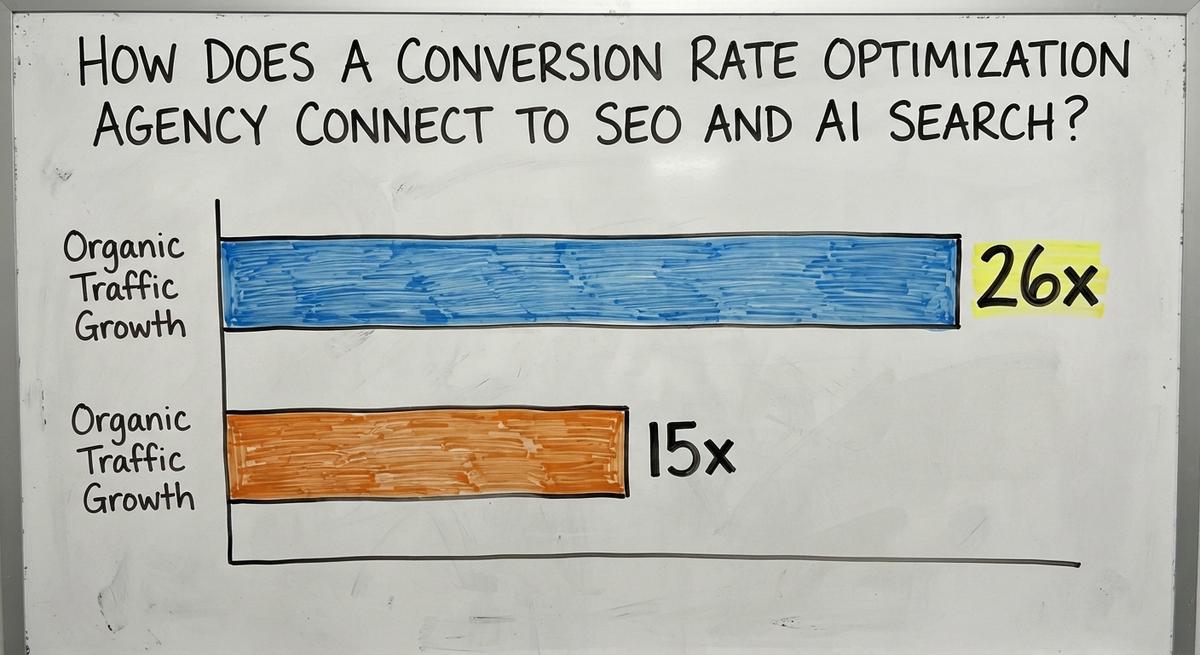
Past SEO campaigns grew organic traffic 26x in 14 months.
Book a callWhat Does a Conversion Rate Optimization Agency Do?
A conversion rate optimization agency is a team that rebuilds pages so visitors call, book, or submit forms. A conversion is any step a visitor takes that brings your business a real lead.
Why Do Working Pages Beat Reports?
Most marketing firms talk to marketers and hand out long reports. Local shops, clinics, law firms, and trades need working pages instead.
Clear page updates turn existing traffic into paying jobs. A good optimization agency proves that with call counts, not charts.
What Counts as a Conversion for a Small Business?
A conversion is a phone call, booked visit, quote request, form fill, or donation from a real person. Each page works best with 1 main action for visitors to take.
- A plumber needs a tap-to-call button so a homeowner with a burst pipe can dial in 1 tap.
- A dental clinic needs an online booking form so a new patient can reserve a morning slot.
- A law firm needs a short consultation form so a client can request legal help in private.
- A fitness studio needs a class signup button so a local resident can claim a mat fast.
Which Conversion Matters Most for Your Trade?
The right conversion is the one that books paid work. Local visibility also feeds those actions. Google Business Profile Help explains that "Local results are mainly based on relevance, distance, and popularity."
Clear calls to action turn that local visibility into booked work. Relevance, one of the signals in Google's local ranking guide, starts with clear service words. A strong Google Business Profile sends the first visitors your way.
How Do You Figure Conversion Rate?
Conversion rate is the number of visitors who act divided by your total website traffic. Say 1,000 people visit your site in a month and 30 call. Your rate is 3%.
Why Do Jobs Matter More Than the Percentage?
Counting new customers matters more than chasing a high conversion percentage. A higher rate on tiny traffic still brings few jobs.
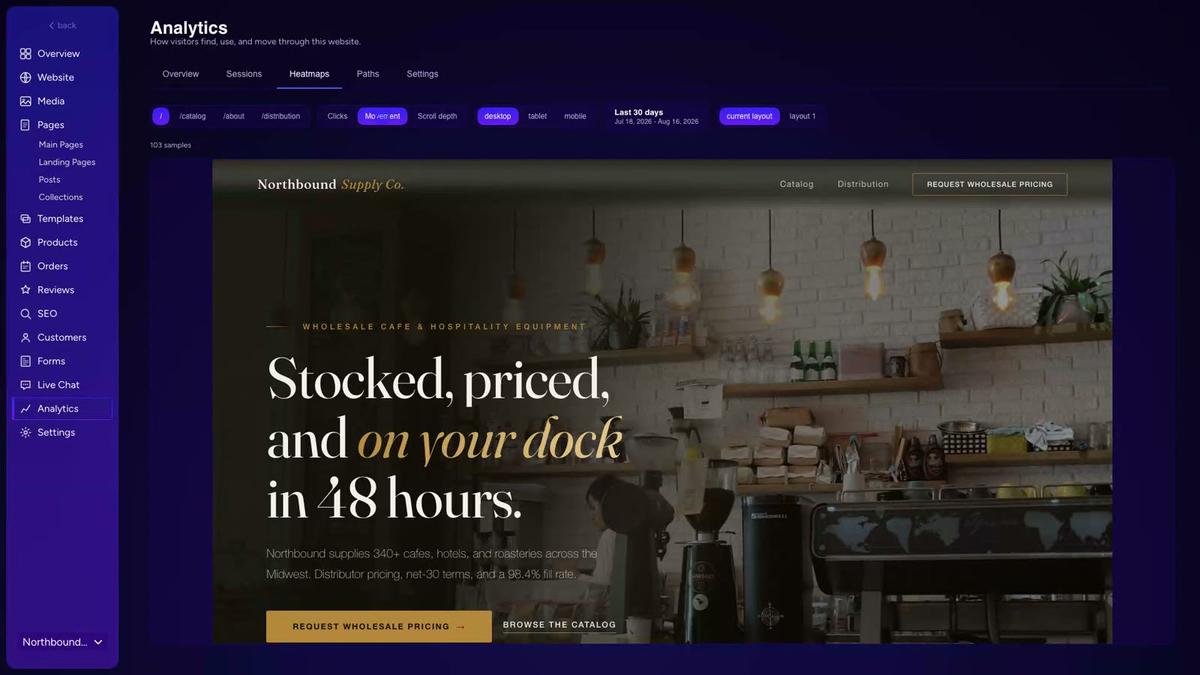
Say 10 extra calls bring 4 jobs at $350 each. Your company earns $1,400 more each month. That math is the real test of any conversion rate optimization work.
Tracking dollars per call keeps your focus on real jobs rather than empty traffic.
Choosing an Agency, Consultant, or Doing It Yourself
Business owners have 3 main paths to fix a site. They can hire conversion rate optimization agencies, pay consultants, or make updates themselves. Each option fits a different budget, schedule, and team size.
Compare how each path handles page edits. It saves you from buying advice you cannot apply.
What Do Conversion Rate Optimization Consultants Do?
Conversion rate optimization consultants are advisers who audit your site and hand you a list of changes. An audit is a full review of your pages, buttons, and traffic numbers.
Paying for advice works well when you already employ a web developer. Busy owners without staff often leave the list sitting in an email folder for months.
Conversion advice without execution leaves your phone silent.
What Makes a Conversion Rate Optimization Agency Different?
An agency finds leaks on your site and builds the finished pages for you. Clients receive live, working pages instead of a thick report.
Agencies range from large enterprise firms to small teams that serve local businesses. Size matters less than fit. Ask whether the optimization agency has worked with businesses like yours. Owners on a website builder can ask the same question.
Small trades and clinics benefit when experts write copy, place buttons, and launch updates. Done-for-you conversion work frees up your week so you can serve customers.
When Does Doing It Yourself Make Sense?
Doing updates yourself is smart when your site gets under 200 visitors a month and you have spare time. Owners can add a missing phone number or write a clear headline in an afternoon.
Hiring an agency for conversion rate optimization can wait until steady traffic or paid ads run. Fixing basic details yourself gives you a clean start before spending money.
An on-page SEO checklist is a good free place to start.
Find out where you show up on the map
A free map check for your company. See which towns find you and which call a competitor.
Book a callWebsite Conversion Rate Optimization Services Explained
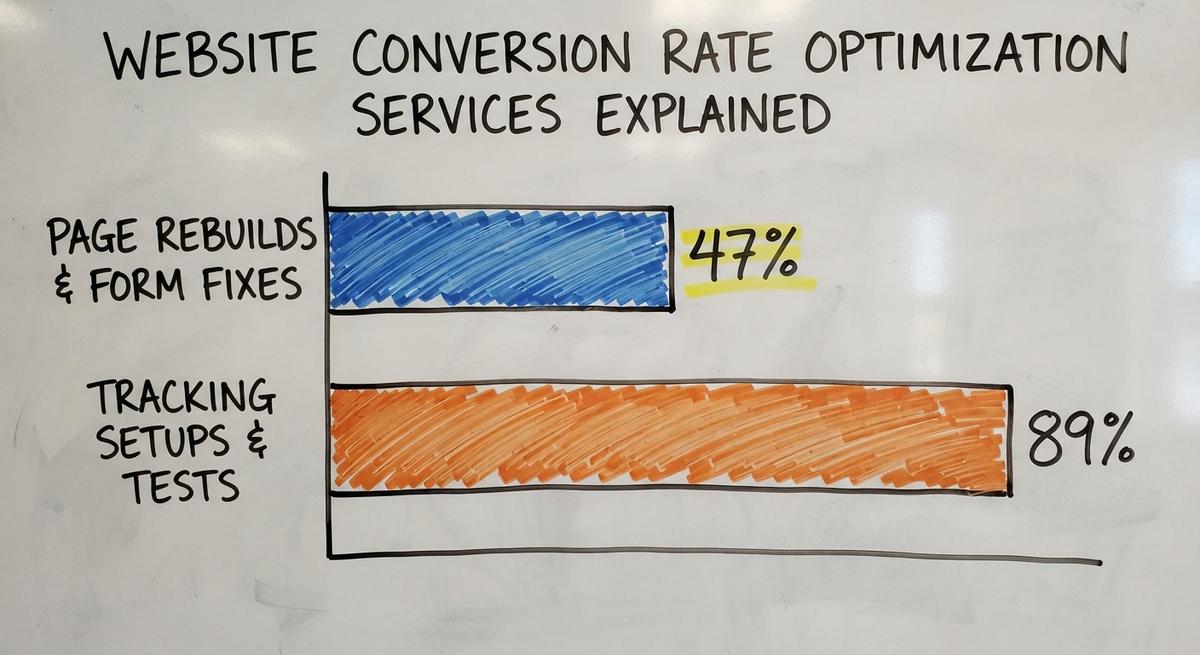
Website conversion rate optimization services are page rebuilds, form fixes, tracking setups, and tests that bring more calls. Every service should match your main goal, such as calls, bookings, or quote requests.
Good services fix the biggest leaks first. You see results sooner that way.
How Does a Site Review Find Lost Leads?
A site review is an inspection of visitor numbers and mobile screens to spot where people leave. Most local searches happen on a phone, so checking mobile layout comes first in any conversion review.
- Reviewers test every phone button on a small screen to verify that 1 tap starts a call.
- Reviewers count how many form fields a visitor must fill out before sending a message.
- Reviewers check which pages earn high traffic from Google yet bring zero leads each month.
- Reviewers inspect page load speed on cellular data so impatient callers do not hit back.
Finding your worst leak first stops you from wasting time on minor details.
Homepage Rebuild and Landing Pages
A homepage rebuild is a full update of your front page. Landing pages focus on 1 service or 1 ad. Your homepage is the first conversion point for new customers checking your business.
Request a sample page up front. Every page should follow Google Search Central guidance, which favors content "created primarily for people."
A focused roofing landing page shows how one service page can carry one clear action. Reviewing real samples removes the guesswork from hiring.
Clear Headlines, Forms, and Phone Buttons
A clear headline is a top statement telling visitors what you do, where you work, and what to do next. Simple forms and visible buttons remove steps between interest and booking.
- Place a bold Call Now or Book a Visit button at the top of every page.
- Cut your quote form down to 3 fields: name, phone number, and short job note.
- Give a roofer a fast estimate form and give a clinic a 2-step appointment calendar.
- Remove extra navigation links on ad landing pages so visitors focus on 1 main goal.
Making the next step obvious turns hesitant visitors into ready callers and lifts conversion. Good roofing website design applies the same rules.
Trust Signals and Mobile Page Speed
Trust signals are real customer reviews, actual job photos, and clear contact details that help people say yes. Never display badges, awards, or claims you cannot verify. Google's people-first guidance rewards that honesty.
BrightLocal's 2026 Local Consumer Review Survey reports: "97% of consumers still lean on reviews to guide their purchase decisions." That study found 47% skip businesses with under 20 reviews, and 89% expect replies.
Follow Google's review policy, which states: "Reviews and other user contributions to Google Maps must reflect a genuine experience." These tips on getting more reviews stay inside those rules.
Fast mobile pages keep callers on your site long enough to read those real reviews. Speed is a conversion factor by itself.
How Do Page Testing and Call Tracking Work?
Page testing changes 1 big element at a time. Call tracking records which page made the phone ring. Small sites lack traffic for tiny color tweaks, so testing new headlines works better.
Call tracking is a setup that counts real phone leads and form fills rather than empty clicks. Every conversion decision should rest on that data.
Ask how fast edits go live. Minutes is good. Weeks slows every test. Knowing which page pays the bills tells you where to focus next.

How Does a Conversion Rate Optimization Agency Connect to SEO and AI Search?
Conversion work and SEO are paired disciplines. Traffic without action is wasted, and action without traffic stays small. Pages written in plain words get quoted by Google, ChatGPT, Gemini, and Perplexity.
How Do AI Tools Pick Pages to Quote?
Between 2024 and 2026, AI search tools began pulling direct answers from clean service pages. Plain answers are the conversion copy they quote. Strong roofing SEO and HVAC SEO pages show how search and conversion work together in local trades.
Why Avoid Copy-Paste City Pages?
Copy-paste city pages are a conversion and ranking risk. Google's spam policies warn: "Doorway abuse is when sites or pages are created to rank for specific, similar search queries."
Strong pages earn free search traffic and convert visitors into booked jobs. Good local SEO for roofing companies works the same way. Ask any optimization agency how its page work supports search.
Signs Your Small Business Website Needs Conversion Help
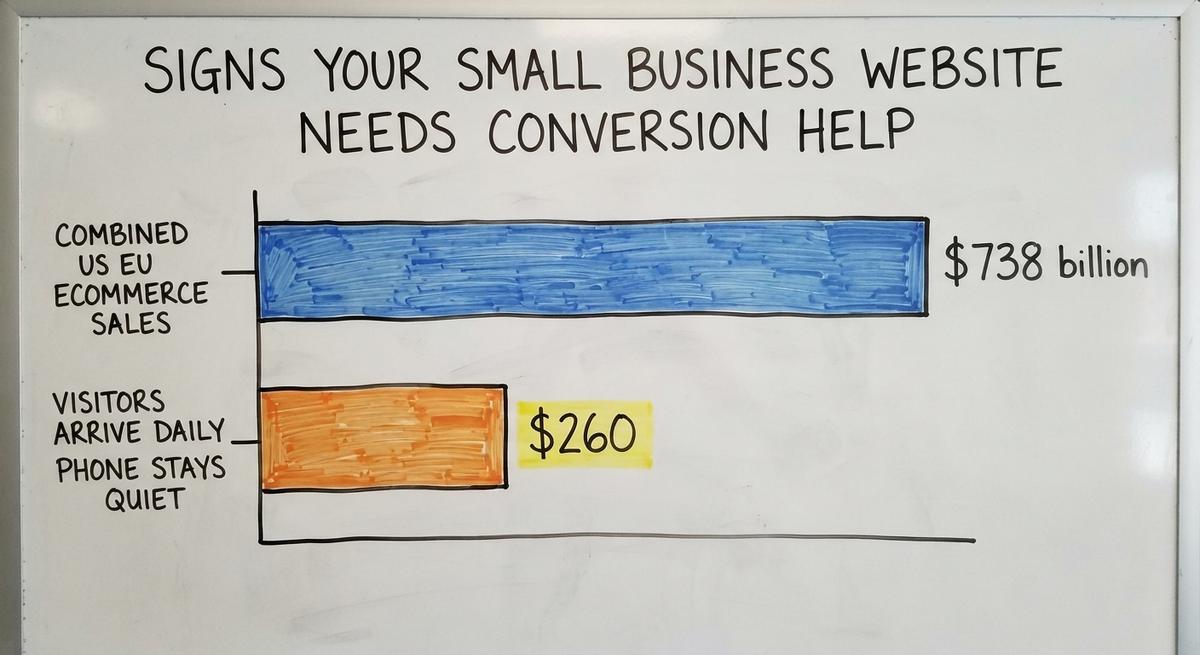
A small business website needs conversion help when visitors arrive daily yet your phone stays quiet. Good Google rankings mean little if callers pick a competitor instead.
- Your site gets hundreds of clicks each month, yet only 1 or 2 people submit forms.
- Your ads cost money every week, yet you see few real bookings on your calendar.
- Your team feels embarrassed to hand out your web address to new local prospects.
- Visitors bounce off your service pages within seconds without scrolling down to read your offer.
Paying for ads without fixing your pages burns cash fast. With Google Local Services Ads, advertisers "Pay only for leads related to your business and the services you offer." Those paid leads still need a page that converts.
Spotting these warning signs early stops you from pouring ad money into a broken bucket. This look at Google Ads for roofing companies shows the same risk in one trade.
Results you can check
Past SEO campaigns grew organic traffic 26x in 14 months, and 15x on another. Top Rated Plus on Upwork with 99% job success.
Work for brands like New Balance, Purina and Aramark, and SEO for Planned Parenthood.
Book a callWhy Does a Vague Page Lose Callers?
A vague page loses callers in 5 seconds or less when visitors cannot see what you do or where you work. Phrases like "total solutions" and "quality excellence" tell a homeowner nothing.
Hidden phone numbers and crowded menus also push people away. Put 1 clear service, 1 town name, and 1 tap-to-call number at the top. That fixes both problems.
Naming your trade and town clearly keeps local buyers on your page and lifts your conversion rate. Real reviews help too, as long as they follow Google's review policy.
Old Sites That Are Hard to Edit
An old website that takes days to edit stalls your progress and hurts lead flow. Waiting a week for an outside developer to change 1 phone number kills momentum.
Checkout and form friction costs huge sums across the web too. Baymard Institute estimates that better checkout design could recover "$260 billion" in orders across US and EU ecommerce. That figure rests on "a 35.26% conversion-rate increase" applied to "$738 billion" in combined sales.
Ask any provider how long a simple edit takes on your current site. Fast edits let you test new offers and update seasonal services right away.

What Does a Conversion Rate Optimization Agency Cost and How Long Does It Take?
Agency costs and timelines both depend on scope. Here is how each one works.
What Pricing Models Do Agencies Use?
A conversion rate optimization marketing agency charges a project fee, a monthly retainer, or an hourly rate. Project fees cover a set rebuild. Monthly plans cover ongoing landing pages, tracking, and SEO.
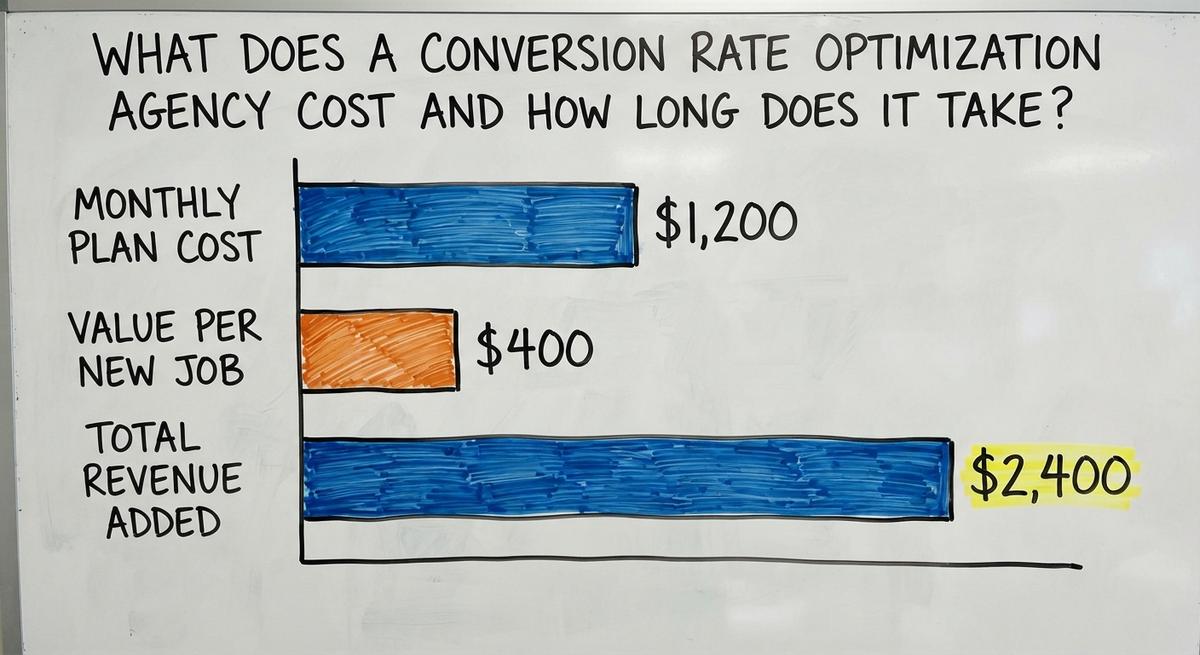
Check what is included before signing, such as page writing, design, and call tracking. Suppose a monthly plan costs $1,200 and brings 6 new jobs worth $400 each.
How Fast Do Results Show?
Six jobs at $400 each add $2,400 in revenue, paying for the agency fee twice over. Early wins from clear fixes can show within 2 to 4 weeks. Bigger gains build over months.
No honest agency guarantees exact lead counts. Judge your return by counting new calls, bookings, and paid jobs each month. Compare that with the other lead sources you pay for, such as roofing SEO services.
How to Choose a Conversion Rate Optimization Agency
Choosing an agency for conversion rate optimization means checking real proof, reviewing samples early, and avoiding vague contracts. Follow 4 steps before you sign with any team.
- Request a mockup built for your business before any money changes hands.
- Check verified case results and third-party profiles rather than trusting logos on a sales page.
- Confirm that the agency builds finished pages instead of handing your team a checklist.
- Ask how many minutes or days it takes for new page edits to go live.
Following a simple checklist protects your budget from agencies that only sell talk.
Why Should You See the Work Before You Pay?
Reviewing samples first lets you judge page quality with zero financial risk. Owners can compare their current front page side by side with the new version.
Always ask who writes the copy and who pushes updates live. Prefer finished pages you can click through over slide decks and audit reports.
Seeing real work first proves the agency understands your trade.
Real Proof and Red Flags to Watch
Real proof is verified client work and public job ratings rather than big promises. Look for concrete numbers you can check, such as call counts before and after.
Check marketplace ratings, Google reviews, and named results with dates. A logo wall proves nothing on its own.
Watch out for these warning signs when comparing agencies for conversion rate optimization:
- Agencies that guarantee number 1 Google rankings or exact monthly sales numbers in writing.
- Long 12-month contracts that lock you in with no visible page updates each month.
- Monthly reports packed with marketing jargon and zero mention of real phone calls.
Real proof paired with zero lock-in keeps your business safe. A roofing marketing agency should pass the same tests.
Questions to Ask Before You Hire
Four direct questions show any busy owner if an agency is worth hiring. Write these down before your first phone call.
- What exact page or button will your team change first on my business website?
- How will my team see new phone calls and form fills tracked each month?
- Do I own my website domain and written content if my company ever leaves?
- What new pages or fixes happen during each month of the ongoing plan?
Clear answers in plain English show that the optimization agency respects your time.
Get a second opinion on your current setup
Already paying for marketing? Get a free second opinion on what works and what wastes money.
Book a call
Conversion Help by Type of Business
Local businesses each need a different main action on their website to turn visitors into paying work. A plumber, a dentist, a lawyer, and a nonprofit do not sell the same way.
Tailoring your pages to your exact trade makes visitors feel understood right away. That lifts conversion across every page.
Trades, Home Services, and Clinics
Home services and health clinics need fast phone buttons, short quote forms, and simple new patient steps. A roofer needs dedicated pages for roof repair, replacements, and storm inspections.
Clinics should write in plain words patients actually type, such as "teeth cleaning" or "back pain relief." Clear service areas and insurance details remove hesitation before a visitor calls.
Simple steps turn urgent local searches into booked appointments, the conversion that matters most here.
Law Firms, Accounting, Shops, Studios, and Nonprofits
Lawyers, accountants, shops, studios, and nonprofits need calm consultation pages, class signups, and 1-step donation forms. Legal and tax clients look for clear practice area pages and a private way to ask questions.
- Retail shops need clear store hours, parking notes, and street directions on mobile screens.
- Fitness studios need 1-click trial passes so local residents can book an intro class.
- Nonprofits earn more support when volunteer and donor pages stay free of extra clutter.
One clear action per page guides every visitor to the right spot. Any optimization agency should start there. Shops that sell online can also read how to make a website to sell things.
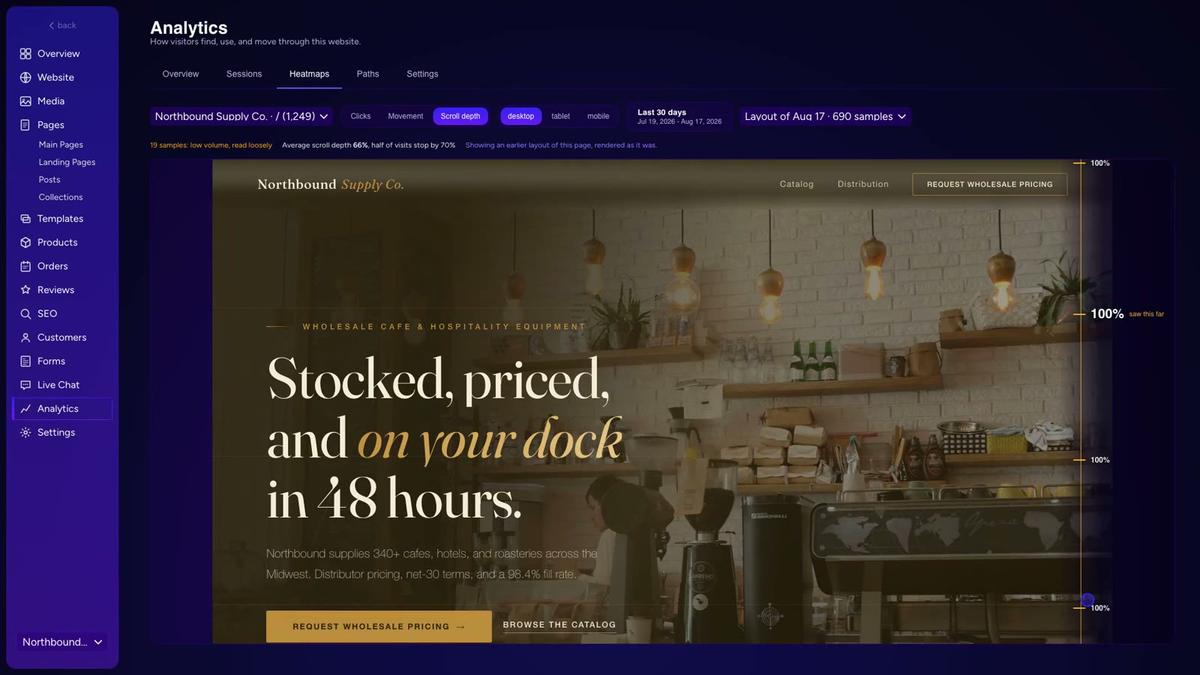

What Should Working With a CRO Agency Look Like?
Good conversion work starts with samples you review before paying a single dollar. After that, ongoing monthly work can keep your site, landing pages, and SEO running.
Which Mistakes Should You Avoid at the Start?
Four mistakes are common when owners start conversion work:
- Never choose a marketing partner on price alone when your lead flow is at stake.
- Never pay upfront before seeing real sample work built for your actual business.
- Never change 10 page elements at once, or you will not know what worked.
- Never ignore phone calls in your count when measuring your monthly website return.
Simple steps and zero upfront risk let you test any optimization agency safely.
What Should Happen in the First 90 Days?
The first 90 days should cover a site review, a homepage update, service landing pages, and call tracking. Request a written plan in this shape from any agency.
- Month 1 should cover the site audit, call tracking setup, and an updated homepage launch.
- Month 2 should add focused landing pages for your top services and surrounding local towns.
- Month 3 should review real call and form data to adjust headlines and offers.
Tracking each 30-day block keeps your site improving based on real customer behavior.

Next Step: Put Your Homepage to the Test
Your next step is a simple conversion test of your own homepage.
How Do You Test Your Own Homepage?
A phone test is the fastest conversion audit. Open your homepage on your phone and time how long it takes to find your number. Count the fields on your contact form. Check whether the headline names your trade and town.
How Do You Compare Agency Answers?
Agency answers are easy to compare side by side. Ask 2 or 3 agencies to show what they would change first. Pick the conversion rate optimization agency whose answer brings more calls and bookings, not more reports. Search fits into a wider digital marketing plan as well.
Frequently asked questions
What is meant by conversion rate optimization?
Conversion rate optimization is the process of improving a website so a higher share of visitors take a desired action. For a small business, that action is usually a phone call, an appointment booking, or a quote request. It focuses on clear words and simple steps.
Is a 2.5% conversion rate good?
A 2.5% conversion rate means 25 out of every 1,000 visitors call or submit a form. Whether that rate is good depends on your trade and traffic source. Emergency services like plumbers often see higher rates than high-ticket law firms or custom builders.
What is a good freemium conversion rate?
A freemium conversion rate measures how many free software users upgrade to a paid plan. Most local trades, clinics, and firms do not use freemium pricing. For software businesses, a good rate depends on product value, onboarding speed, and how clear the paid upgrade is.
What does a conversion rate optimization agency do?
A conversion rate optimization agency finds out why website visitors leave without calling and fixes the pages to get more leads. Instead of just handing you a report, the agency rewrites unclear headlines, simplifies forms, sets up call tracking, and launches finished pages.
How much does conversion rate optimization cost?
Conversion work pricing depends on your website size, how many landing pages you need, and whether you choose a one-time project fee, hourly consulting, or a monthly plan. Ask what is included, such as copywriting, design, and tracking. Ask to see sample work before paying.
How long does conversion rate optimization take to work?
Simple fixes like a tap-to-call button, a shorter quote form, and a clearer headline can bring more calls within a few weeks. Bigger conversion gains from new landing pages, local SEO, and ongoing page tests build steadily over 3 to 6 months.
Do I need a new website to improve conversions?
You do not always need to replace your entire website to get more calls and bookings. Updating your homepage and adding a few focused landing pages for your top services often fixes the biggest conversion leaks. A mockup from a provider can help you decide.
Start with a free homepage rebuild
Book a short call. Your new homepage is free to see and yours to keep.
Book a callRelated guides
More on the same work.