

Wholesale Distribution Meaning
Wholesale distribution meaning in plain words: how it works, what a distributor does daily, and how it differs from retail. Reviewed November 2026.
Book a callWhat Is the Wholesale Distribution Meaning?
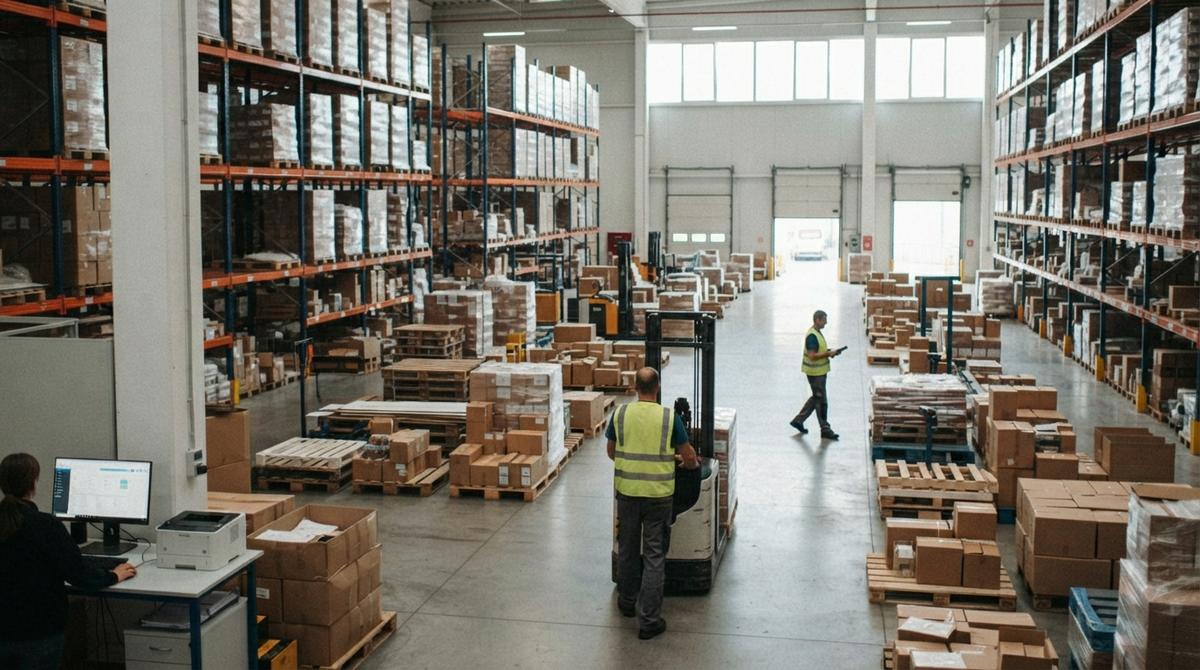
Wholesale distribution is buying goods in bulk from makers and selling them in smaller lots to businesses. The buyers are retailers, contractors and restaurants. They are not shoppers. The distributor sits between the maker and the business that needs the goods.
Searchers also type wholesale distributor meaning or wholesale distribution definition. The answer is the same each time. A wholesale distributor earns its pay on the gap between what it pays the maker and what it charges the customer.
We build it for your operation, and the first look is free
If you would rather not compare products, describe how your operation already works and we build the system around it.
No build cost. You see it running on your own process first, and the monthly subscription starts only once it is live.
Book a callHow Does Wholesale Distribution Work?
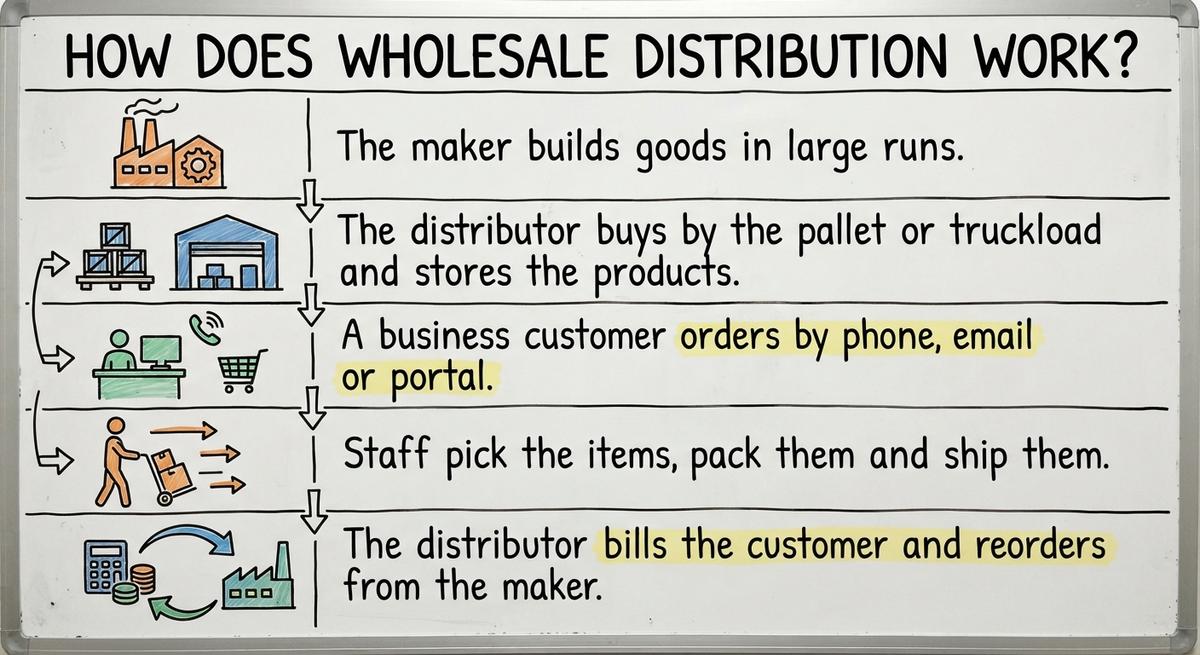
Wholesale distribution works in 3 links: the maker, the distributor and the business customer. Here is the flow, step by step:
- The maker builds goods in large runs.
- The distributor buys by the pallet or truckload and stores the stock.
- A business customer orders by phone, email or portal.
- Staff pick the items, pack them and ship them.
- The distributor bills the customer and reorders from the maker.
The distributor in the middle saves both sides time. The maker ships 1 big load instead of 500 small boxes. The customer gets goods from many makers in 1 delivery, so freight costs less.
Stock is also a legal matter. IRS Publication 538 states: "To figure taxable income, you must value your inventory at the beginning and end of each tax year." A distributor that cannot count its stock cannot file a clean return.
What Does a Wholesale Distributor Do Each Day?
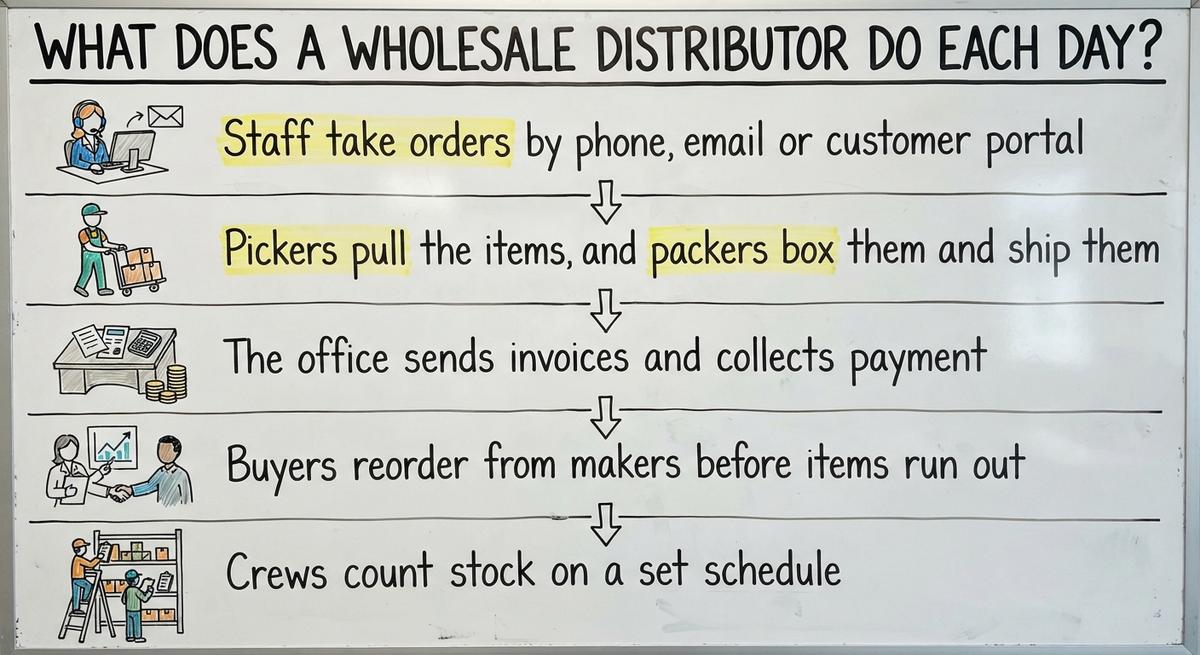
A wholesale distributor spends each day moving goods in, counting them and sending them out again. Receiving comes first. What does receiving mean in a warehouse? It means checking each delivery against the order and logging it.
The rest of the day follows a set flow:
- Staff take orders by phone, email or customer portal.
- Pickers pull the items, and packers box them and ship them.
- The office sends invoices and collects payment.
- Buyers reorder from makers before items run out.
- Crews count stock on a set schedule.
Counts are not optional. IRS Publication 538 needs you to "value your inventory at the beginning and end of each tax year." A clean count is part of the job, not a chore on the side.
Not sure this is the right shape for your operation
Describe how the work runs today. We map it on a call and show you what it would look like built around that, before you spend anything.
Book a callWholesale vs. Distribution: Is There a Difference?
Yes, the difference is small. The difference between wholesale and distribution comes down to who owns the goods and what contract sits behind them. Both terms describe the same kind of distribution business, and people use them together.
A wholesaler buys goods, owns them and sells them on. A distributor holds an agreement with a maker for set products or set areas. That deal can give the distributor sole rights in a region.
The daily work looks the same in both. Staff receive, store, pick and ship. Customers do not care which word is on the truck. The label changes the contract, not the work in the warehouse.

Wholesale vs. Retail: What Sets Them Apart?
Wholesale vs retail comes down to who buys and how much. Wholesale sells large orders to business buyers at a lower price per unit. Retail sells single items to shoppers at a higher price per unit.
| Point | Wholesale | Retail |
|---|---|---|
| Order size | Cases, pallets, bulk lots | Single items |
| Buyer | A business | A shopper |
| Price per unit | Lower | Higher |
| Customer type | Repeat accounts | Walk-in or one-time |
| Terms | Set terms, often billed later | Paid at sale |
A wholesale account is a standing deal with a business. The same buyer returns each week with a similar order. Wholesale trades a lower price per unit for steady, repeat volume.
Types of Wholesale Distributors
Wholesale distributors fall into 4 main types, and each one serves a different need. The plain warehouse meaning is a building where goods wait to be sold or shipped. All 4 types use one.
- General line distributors carry many product types. One example is a firm that sells cleaning goods, paper and snacks to small stores.
- Specialty distributors focus on one category. One example is a firm that sells only restaurant equipment.
- Industrial or supply distributors sell parts and tools to plants and shops. One example is a firm that stocks bolts, belts and safety gear.
- Warehouse and fulfillment operations store and ship for others. The 3pl meaning is third-party logistics. One example is a firm that holds a maker's stock and ships each order.
Each type runs the same core loop of receive, store, pick and ship. The type only decides what sits on the shelf.
Who Are the Customers of a Wholesale Distributor?
The customers of a wholesale distributor are businesses that resell goods or use them to do their work. Wholesale distribution does not sell to the public. Common buyers include:
- Retail stores that stock shelves and resell to shoppers.
- Contractors who need parts and supplies for jobs.
- Restaurants and cafes that buy food and kitchen goods.
- Repair shops that buy parts in bulk.
- Schools and clinics that buy supplies on a set schedule.
Every one of these buyers wants the same thing: the right item, on time, at the agreed price. A distributor wins repeat accounts by getting that right.
The comparison is easier when one option is built for you
Off-the-shelf means fitting your process to the software. We do it the other way round, and the first look costs nothing.
Book a callWhat Makes Wholesale Distribution Hard to Run?
Wholesale distribution is hard to run because 4 things change all day: items, stock levels, prices and rush orders. An item here means a SKU, or stock keeping unit, which is one code for one product. A small team may track thousands of them. These are normal growing pains, not failures.
Where the Manual Work Hides
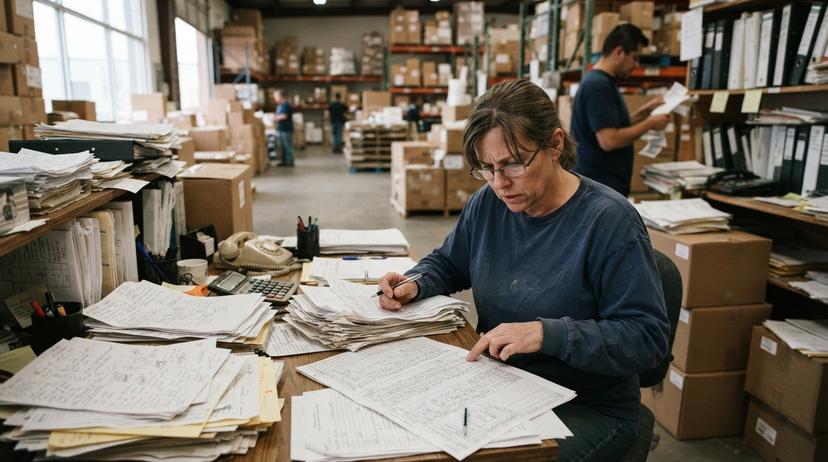
Most small distributors grow on the tools they already have. Those tools are an accounting package, spreadsheets, a small desktop database, printed pick sheets and email. Each tool works alone. The trouble starts when staff move data between them.
- Staff re-type orders from email into the accounting package.
- A pick sheet goes out of date once stock shifts.
- Customer-specific prices live in one person's head or one file.
- Counts drift, and a customer hears "let me check" instead of a quick answer.
What Manual Work Costs
Say 3 people spend 6 hours a week re-typing orders at $22 an hour. That is 3 x 6 x 52 x $22, or $20,592 a year. The US Bureau of Labor Statistics publishes pay data for stock clerks and order fillers, so you can swap in your own rate. The US Census Bureau also tracks wholesale inventories and sales each month. Retyping is a cost you pay every week.
How Software Fits Into Wholesale Distribution
Wholesale distribution software ties orders, stock, purchasing and shipping together so each fact is typed once. The order a customer sends is the same record the picker sees and the buyer reorders from. Fewer hands touch the data, so fewer errors get in.

Distribution management software comes in many sizes. The meaning of warehouse management system is simple: software that tracks where each item sits and guides each pick. Not every distributor needs a big ERP, which is one large system for the whole company. A long, costly move is not the only path. The NIST Manufacturing Extension Partnership offers vendor-neutral guidance on supply chain and inventory process.
Custom software is another path. A builder maps how your team works today and shapes the tool around it. The software can connect to your accounting software, so the books stay where they are useful. Only the manual parts get replaced.
This works at small scale, for teams of about 5 to 100 people. Software should fit the operation, not force the operation to fit the software.
Frequently asked questions
What does the term "wholesale" mean?
Wholesale means selling goods in bulk to businesses instead of to individual shoppers. The buyer, such as a retailer or contractor, resells the goods or uses them at work. The price per unit is lower than at retail.
What is the difference between a wholesaler and a distributor?
A wholesaler owns the goods and sells them on. A distributor often holds an agreement with a maker for set products or areas. The daily work in the warehouse looks much the same.
How is wholesale different from retail?
Wholesale sells large orders to business buyers at a lower price per unit, often to repeat accounts on set terms. Retail sells single items to shoppers at a higher price per unit.
Do small distributors need a big ERP?
No. An ERP is one large system for the whole company. Many small distributors do better with software built around how they already work, with only the manual steps replaced.
Who buys from a wholesale distributor?
Businesses buy from a wholesale distributor. They include retail stores, contractors, restaurants, repair shops and clinics. The public does not buy at wholesale.
Why do small distributors struggle with spreadsheets and manual work?
Orders, stock and prices change all day. Staff re-type data between spreadsheets, email and an accounting package. That leads to missed orders, wrong counts and slow answers.
What are the main types of wholesale distributors?
The 4 main types are general line, specialty, industrial or supply, and warehouse and fulfillment operations. Each runs the same loop of receive, store, pick and ship.
Start with a free first look
A 30 minute call, your operation mapped, and a clear picture of what we would build. No obligation and nothing to install.
Book a callRelated guides
More on the same work.
Guides
- Distribution Management Software
- C2 Distribution
- Dealer Distribution
- Distribution Inventory Management
- Wholesale Inventory Software
- Define Wholesale Distributor
- Fnsku Meaning
- Business Distributors
- Cloud-based Purchase Order System
- Is a Distributor a Wholesaler
Common questions
- Difference Between Wholesale and Distribution
- Wholesale Distribution Definition
- Wholesale Distributor Meaning
- Wholesale vs Distributor
- Wholesale Distributors Definition
- Warehouse Meaning
- What Does Receiving Mean in a Warehouse?
- Meaning of Warehouse Management System
- 3PL Meaning
- Mro Inventory Meaning
- Inventory Reserve Meaning
- What is Mean by Inventory Management
- What is Inventory Management Meaning in Hindi
- What is Vendor Management Inventory